AIToday
AI Regulation & PolicyFortune AIPublished: Aug 9, 2026, 04:00 JST6 min read

Musk's AI firm joins bid to eliminate citizens' right to sue over law violations

Musk's AI firm joins bid to eliminate citizens' right to sue over law violations

Key takeaway

  • Elon Musk's AI company xAI and right-leaning legal groups are challenging the constitutional right of private citizens and groups to sue the government over violations of federal environmental and other laws.

  • The Trump administration is backing these efforts, arguing that enforcement power should rest solely with the president and federal agencies.

  • Environmental lawyers warn that eliminating citizen suits would devastate enforcement, especially since the Trump administration has already cut air and water protections and limited enforcement to extreme cases—leaving poor and minority communities particularly vulnerable.

3 Key Points

  1. What happened

    Right-leaning legal groups and Elon Musk's xAI are mounting sweeping constitutional challenges to citizen suits—decades-old provisions that let private groups, individuals, and local governments sue over violations of environmental, campaign finance, and other federal laws. Four pending federal cases are moving forward, including one filed last week, as the Trump administration backs these efforts.

  2. Why it matters

    Citizen suits have forced polluters to pay millions in fines and compelled compliance—for example, ensuring lead pipes were removed in Flint, Michigan. Environmental groups say losing this tool would be devastating, especially now: the Trump administration has slashed air and water protections and limited enforcement to only extreme cases, meaning citizen suits may become the only way communities can fight pollution. Experts note poor and majority-minority communities would be hit hardest, as they have fewer enforcement resources.

  3. What to watch

    The Supreme Court's conservative majority offers opponents of citizen suits their best chance of success in 26 years—since 2000, when Justice Anthony Kennedy and Justice Antonin Scalia raised doubts about whether citizen suits improperly dilute executive power. Legal experts say the challengers must first win early federal cases and create disagreement between appeals courts to convince the Supreme Court a nationwide ruling is warranted.

In Depth

Read the full story

The constitutional challenge to citizen suits is proceeding through four pending federal cases, one filed last week, at a moment when the Supreme Court's 6-3 conservative majority has shown willingness to expand executive power. The effort gained crucial support this summer when the Trump administration intervened in xAI's case, arguing that enforcement authority should rest exclusively with the executive branch.

The immediate vehicle is a routine environmental dispute in Tennessee. The Pacific Legal Foundation, a right-leaning organization with recent Supreme Court victories, took on the case of Springfield, a town of roughly 19,000 north of Nashville, defending it against a citizen suit filed by Tennessee Riverkeeper alleging the town had discharged excessive sewage into a nearby creek in violation of the Clean Water Act. Tennessee Riverkeeper had filed the thirty-first such citizen suit since 2010—a fact Pacific Legal used to argue that unelected private activists were improperly wielding government enforcement power. According to Sean Radomski, the Pacific Legal Foundation attorney on the case, "the government is the one wielding the power because the government remains accountable to the people."

Parallel to that case, xAI has fought the NAACP's lawsuit accusing the company of operating dozens of gas turbines near Memphis to power a data center without first obtaining required permits. The civil rights group sued in Mississippi federal court, arguing that the turbines pose a pollution threat to nearby residents, many of whom are Black, and sought to halt the turbines until the company complied with the law. The Trump administration intervened on xAI's behalf, declaring that shutting down power to artificial intelligence infrastructure supporting the "Department of War" would harm national security. The DOJ argued that prudent enforcement requires "balancing interests, including national security," implicitly claiming that the company should be allowed to continue operating. Laura Thoms, director of enforcement at Earthjustice, which represents the NAACP, said the government traditionally intervenes in cases to enforce the law, not to argue that violations do not matter. "This administration has determined that the company should be allowed to continue to pollute and that therefore, they should have the unilateral and unreviewable authority to veto our citizen suit," she said.

Citizen suits were embedded in foundational environmental laws because Congress understood that the federal government lacked the resources to pursue all violations and that political pressures could hobble enforcement—sometimes the government is the polluter itself. Environmental lawyers say that rationale is especially urgent now. The Trump administration has slashed air and water protections and narrowed enforcement guidance to only cases involving an "imminent and substantial threat to human health," leaving citizen suits as a vital tool for holding polluters accountable. Leaner state budgets worsen the gap. Thoms also warned of corruption risks: a president could unilaterally waive laws to benefit allies. Those living in states with robust environmental protections might weather the loss of citizen suits, she argued, but other areas would become "sacrifice zones" where citizens have few options to fight pollution, with the burden falling disproportionately on poor and majority-minority communities.

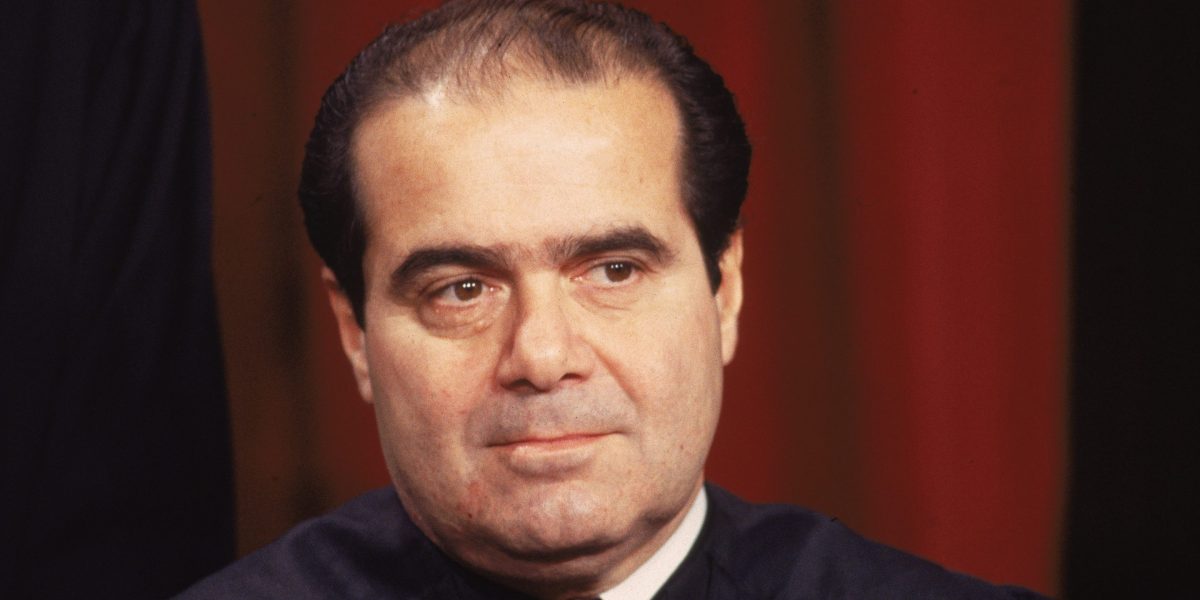
Legal experts say the historical precedent for the challengers' claims is weak—the country's history is rife with private enforcement—yet David Adelman, a law professor at the University of Texas at Austin School of Law, acknowledged that before the current conservative majority, he would have thought there was close to zero percent chance of success. "But this court has been so protective of the executive branch's complete control of implementation of federal law," he said, "that it's not implausible that something like this could prevail." The pivotal moment came 26 years ago in a Clean Water Act case when Justice Anthony Kennedy raised "difficult and fundamental" constitutional questions about citizen suits, and Justice Antonin Scalia dissented, arguing they improperly turn "over to private citizens the function of enforcing the law." Richard Lazarus, a Harvard environmental law professor, said those who lost under Scalia are now rushing back to a court that resembles Scalia's vision more closely than any court during his lifetime.

Context & Analysis

The push to eliminate citizen suits represents a convergence of legal strategy, corporate interest, and executive power that has been building for over two decades. A 2000 Supreme Court opinion by Justice Anthony Kennedy planted seeds of constitutional doubt about whether citizen suits improperly strip the president and federal agencies of enforcement authority—language that conservative Justice Antonin Scalia reinforced. For 26 years, legal experts say, opponents have awaited a sufficiently conservative Supreme Court to act on that opening. The current moment has aligned three forces: a right-leaning legal infrastructure (exemplified by the Pacific Legal Foundation's track record at the Supreme Court), corporate defendants facing citizen enforcement actions, and a Trump administration that has both philosophically committed to reducing environmental and worker protections and strategically intervened in cases to support companies like xAI.

The stakes are highest for communities already vulnerable. Citizen suits exist because Congress recognized that federal enforcement capacity is finite and political will fluctuates—sometimes the government itself is the polluter. That constraint becomes acute now: the Trump administration has cut air and water protections and narrowed enforcement to only the most extreme threats. Without citizen suits, environmental groups and affected residents would lose the primary tool for filling enforcement gaps, especially in states with weak protections. Legal experts and environmental advocates emphasize that poor and majority-minority communities, which often lack resources to lobby for state-level protections, would become what one attorney called "sacrifice zones" where pollution goes unchallenged.

FAQ

What are citizen suits and where are they used?
Citizen suits are provisions written into environmental, campaign finance, and certain other federal laws that allow private groups, individuals, and local governments to sue over law violations. They have extracted millions from polluters and ensured compliance—for example, forcing the removal of lead pipes in Flint, Michigan after its water crisis.
Why does the Trump administration support ending citizen suits?
In xAI's case involving gas turbines near Memphis, the Trump administration argued that turning off power to the data center would harm national security and the Department of War. More broadly, challengers argue the Constitution reserves enforcement power for the president and federal agencies, not private citizens.
What has changed to make the Supreme Court more likely to rule against citizen suits now?
A 2000 Supreme Court opinion by Justice Anthony Kennedy raised 'difficult and fundamental' questions about whether citizen suits dilute executive power, and Justice Antonin Scalia dissented, calling them a problem. Legal experts note the current conservative majority is 'more like Scalia's court' than when he was alive, giving opponents of citizen suits a greater chance of success than ever before.

Get the latest AI Regulation & Policy news every morning

AI-summarized, only the topics you pick — one digest a day via Email, Slack, or Discord.

Free · takes 30 seconds · unsubscribe anytime

Ask AI

Ask AI anything about this article. Q&As are published on this page for other readers too.

Related Articles

Next articleCTO leaders share playbook for building AI-native engineering organizations

The AI news that matters, in one minute each morning.

Sign up free