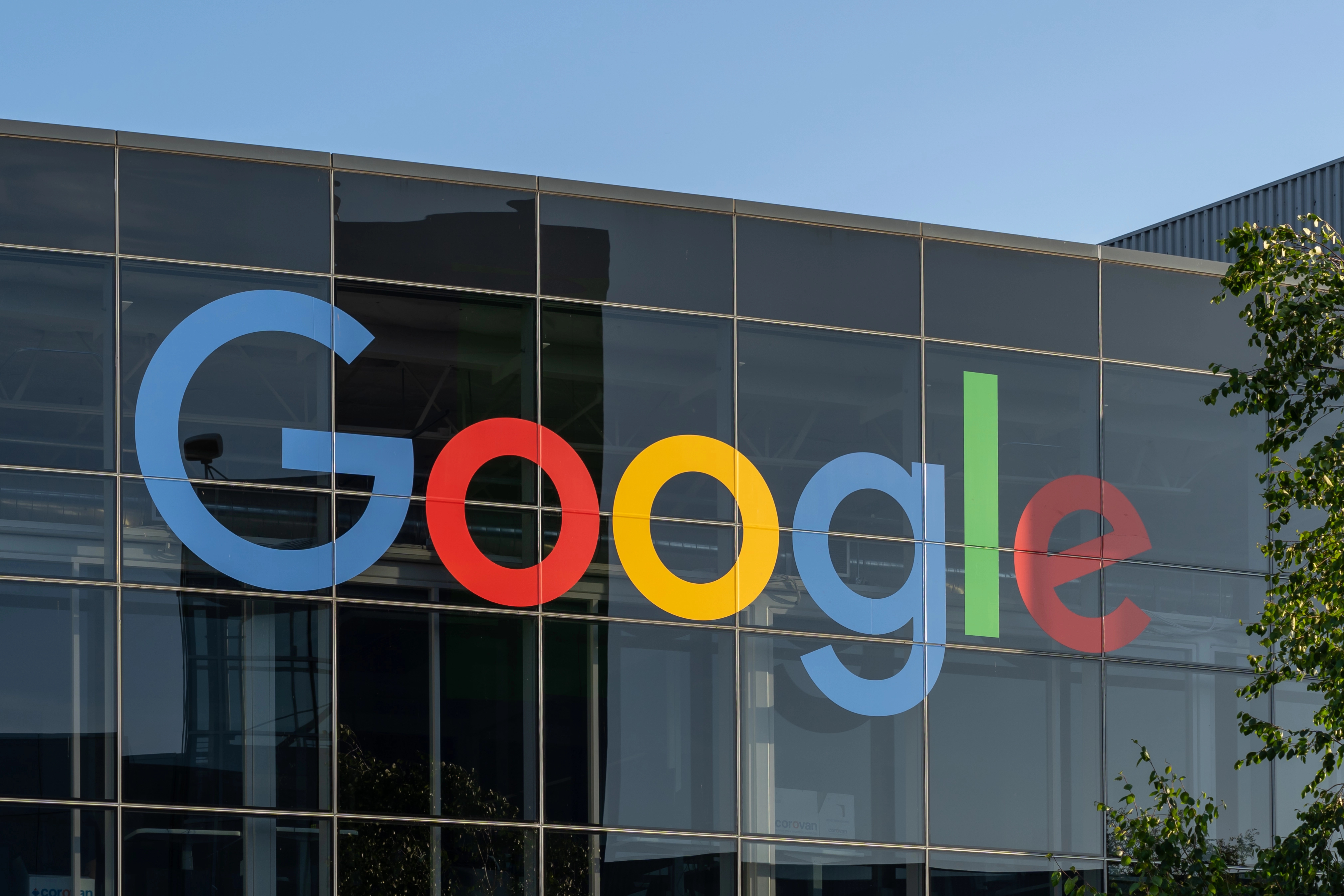
Google's new Expert Intelligence lets readers query e-books securely.
It only uses content from the purchased book, avoiding AI training data.
Publishers welcome it as a responsible AI use case, despite a recent copyright lawsuit.
What happened
Google launched Expert Intelligence (EI), an AI feature for e-books bought on Google Play Books. It lets readers ask questions, take quizzes, or get infographics via Gemini Notebook, starting with over 100,000 English-language nonfiction titles from publishers like Penguin Random House, Macmillan, and O'Reilly Media.
Why it matters
Unlike typical LLMs, EI only uses information from the book itself, not training data. This comes after publishers sued Google in July over copyright infringement in Gemini AI, and early reactions from publishers and the Authors Guild praise the tool for respecting copyright.
What to watch
Google is giving away free e-books, including 'The Power of Habit' and 'Radical Candor,' to select U.S. users for a limited time. The feature may expand to textbooks and academic journals, depending on regional contracts and author opt-in terms.
Ask the AI about this article →
The launch of Expert Intelligence marks a notable shift in how AI tools for books are being developed, directly addressing the copyright concerns that have plagued the industry. By working with publishers from the outset and restricting AI responses to the book's content, Google appears to be fostering a cooperative rather than adversarial relationship with authors and publishers. This is particularly significant given the lawsuit filed in July, which accuses Google of widespread copyright infringement in developing its Gemini models.
The initial enthusiasm from publishing leaders, such as Nihar Malaviya of Penguin Random House and Mary Rasenberger of the Authors Guild, underscores the potential for AI to be used in a way that respects intellectual property. The feature's design, which requires book purchase before AI interaction, aligns with the industry's call for guardrails. The possibility of expanding beyond nonfiction to textbooks and academic journals suggests a broader future for this approach, contingent on contractual and regional agreements. The free e-book giveaway and the involvement of authors like Kim Scott highlight a strategic push to demonstrate the tool's benefits to both readers and the publishing community, potentially opening new avenues for book discovery and engagement.
For example, today's edition would include:
AI-summarized, only the topics you pick — one digest a day via Email, Slack, or Discord.
Free · takes 30 seconds · unsubscribe anytimeWhat is AIToday? →
Ask AI anything about this article. Q&As are published on this page for other readers too.
Social media conversations about Tempus AI intensified after Moderna and Merck reported Phase 3 success in per…
Applied Materials CEO Gary Dickerson said AI is driving the semiconductor industry's most consequential growth…

Broadcom's AI semiconductor revenue sits near $8.4 billion per quarter, with a disclosed AI chip backlog of ar…

Researchers introduced Agent Seer, a pipeline that automatically creates realistic test scenarios for AI agent…

Caterpillar posted a record $20.5 billion quarter in Q2 2026, driven by demand for generators and turbines pow…

A Goldman Sachs executive said AI is eroding bankers' ability to think, and junior hiring data supports this c…