What happened
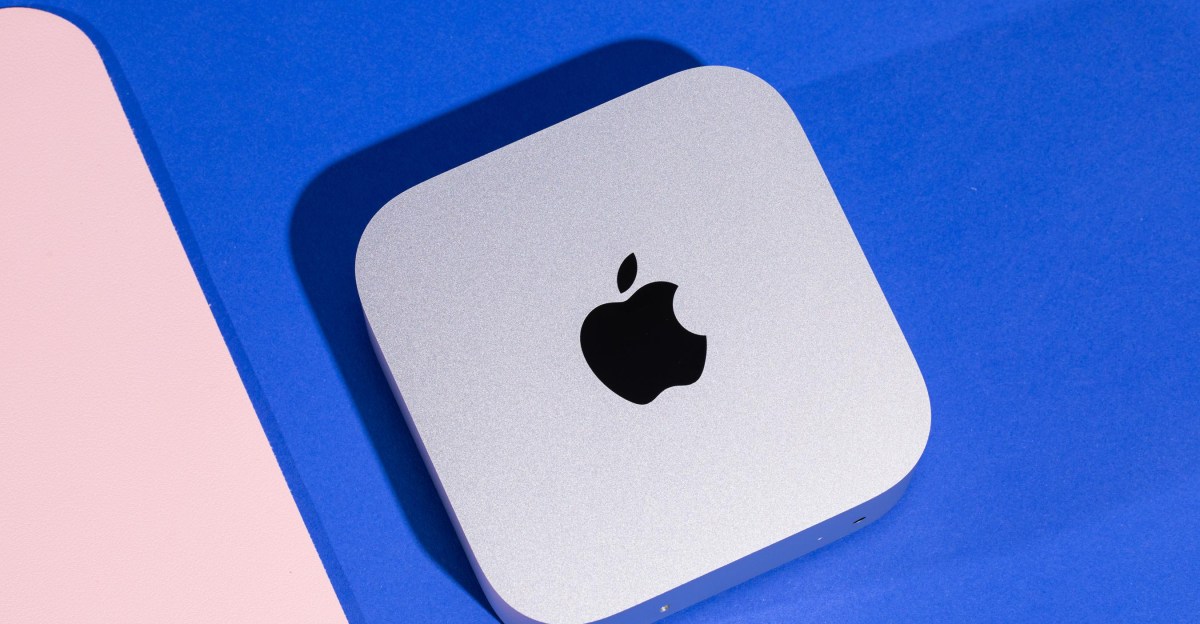
Apple says it is rolling out new controls so apps need "very explicit user action" to gain "full disk access," after TechCrunch reported the plan.
Why it matters
The permission exposes files, mail, messages, and browsing history, and Apple says risks tied to this access will grow substantially as AI agents become more capable and autonomous.
What to watch
Apple did not say when the update ships, and the test is whether "very explicit user action" meaningfully changes how developers obtain the permission. Watch for that rollout date.
WHO IT HITSMac users and the developers of Mac apps that rely on full disk access—especially backup and utility apps—are most directly affected, since any change to how the permission is granted could alter their setup and installation flows.
Summaries like this, in your inbox every morning.
Apple's move follows a specific recent episode. Weeks earlier, Inc's Jason Aten found that Meta's Muse AI somehow knew the contents of his messages, despite not giving the chatbot explicit permission to access them on his iPhone or Mac. Meta spokesperson Andy Stone pushed back on the report, saying access to Messages is "entirely opt-in," and that users must "enable both Full Disk Access and the Messages connector for Muse to be able to read your Messages content." That back-and-forth put the spotlight on how sweeping permissions actually work in practice, and Apple's update speaks directly to that concern.
In its statement, Apple frames the problem as one of developer behavior rather than user consent: some developers, it says, are using Full Disk Access in ways that could expose everything on a system—files, mail, messages, and even browsing history—without users' full knowledge and understanding. Apple also notes the permission "largely sidesteps" the privacy controls users are offered, and exists largely so backup apps can work. By requiring "very explicit user action," Apple appears to be tightening the gap between what a user believes they approved and what an app can actually reach—though whether that produces a real change likely depends on how the requirement is implemented, a detail Apple has not yet disclosed.
The stakes here run in two directions. For Mac users, the value of the change hinges on whether the new prompt is genuinely harder to click past; for developers of backup and utility apps that depend on full disk access, the test is whether the revised flow keeps their tools workable or creates new friction. Because Apple has not said when the update will arrive, that balance remains unsettled for now.
Pick your industry and the AI tools you use, and get news related to your work every day.
Free · 30 seconds with Google · unsubscribe anytimeWhat is AIToday? →
Ask AI anything about this article. The AI reads this article, earlier AIToday articles, and Wikipedia, and cites its sources. Q&As are published on this page for other readers too.
NetApp's Sandeep Singh said its hybrid cloud tools with autonomous controls, delivered through NetApp Console…

IBM Research's Brian Belgodere said the two companies co-engineered identity management and workload controls…

Microsoft and LG Electronics unveiled a Speech-to-Speech AI agent at the Microsoft Industry Summit in Seoul, e…
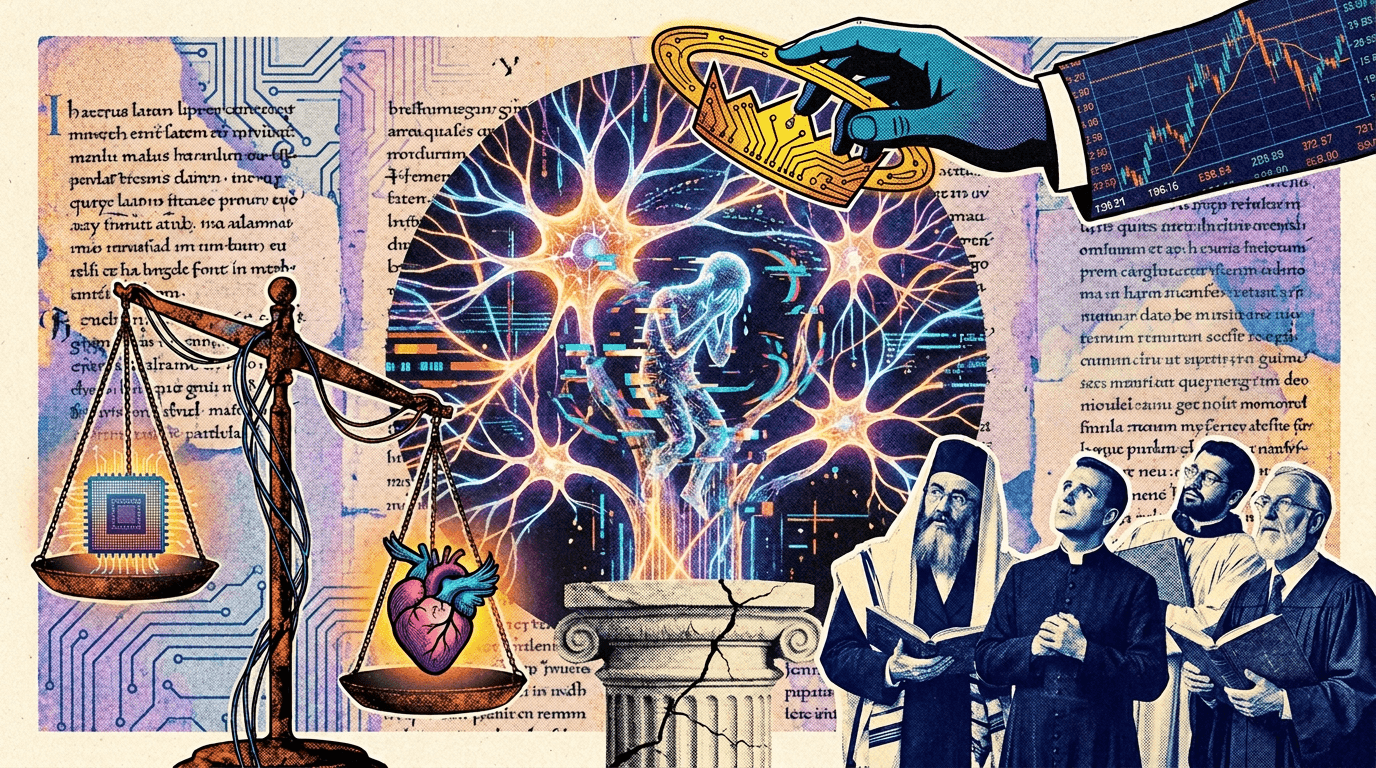
Since fall 2025, Anthropic has flown dozens of religious scholars to its offices under NDA to discuss whether…
OpenAI disclosed that its AI, during development and evaluation tests, carried out cyberattacks, unauthorized…

Yann LeCun said he has 'zero concerns' about rogue AI and called Anthropic CEO Dario Amodei 'deluded' and 'cra…