What happened
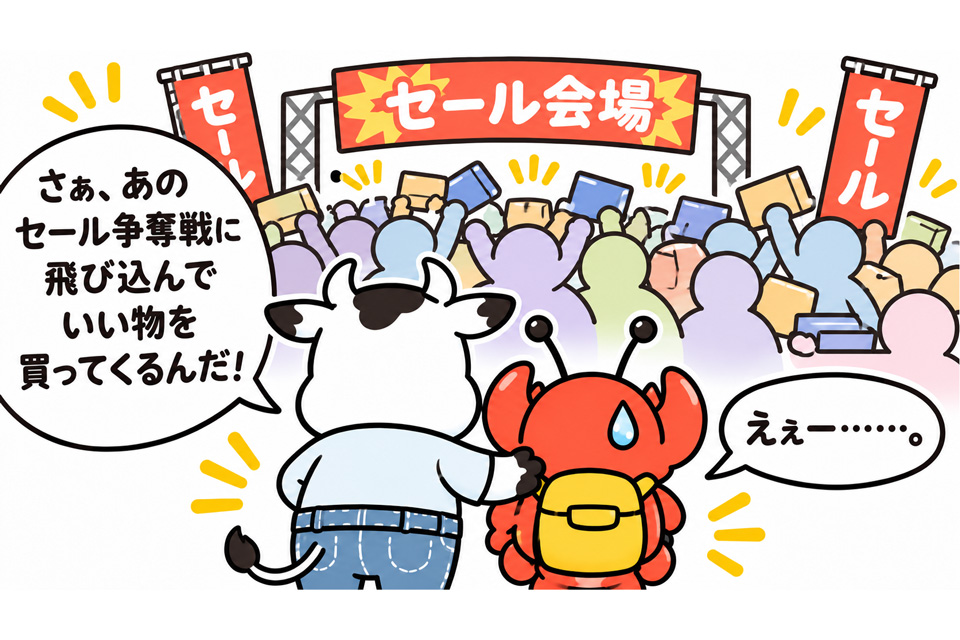
The explainer lays out three layers — commerce (OpenAI/Stripe's ACP, Google/Shopify's UCP), delegation proof (Google's AP2, moved to the FIDO Alliance with v0.2 in April 2026), and card rails (Mastercard Agent Pay, Visa Intelligent Commerce, Stripe Shared Payment Token).
Why it matters
The safety net is a signed mandate capping store, amount and scope rather than handing over a card, so merchants and payment providers can verify what the buyer actually authorized — though most consumer services still require per-purchase approval.
Summaries like this, every morning.
AI shopping assistance has moved from suggesting candidates to handling checkout, and the important design question is not a new payment network but how a merchant or payment provider can verify that the shopper authorized this purchase and how far the agent's authority extends. That is why the standards landscape looks crowded: ACP and UCP cover product search, cart and order data, AP2 covers signed mandates, and Mastercard, Visa and Stripe cover the credential and card-network layer. These are not all rivals, and the three-layer split is an explanatory convenience, since not every service combines the same standards. It also points to how early the consumer side still is: Google's UCP checkout in US AI Mode and Gemini in February 2026 ends with the person confirming in Google Pay, ChatGPT's Instant Checkout arrived in September 2025 but pivoted toward product discovery by March 2026, and Mastercard's live pilot with Mitsubishi UFJ NICOS in Japan in May 2026 has not reached everyday availability. The unresolved question is liability when prompt injection or an unintended purchase occurs, which existing payment frameworks do not yet fully sort out for AI.
Pick your industry and the AI tools you use, and get news related to your work every day.
Free · 30 seconds with Google · unsubscribe anytimeWhat is AIToday? →
Ask AI anything about this article. The AI reads this article, earlier AIToday articles, and Wikipedia, and cites its sources. Q&As are published on this page for other readers too.
Uravation checked TOPIX100 companies' new-graduate hiring pages on Nov 7–8, 2026; across the 81 it could read…

Gomumari Inc. will begin providing its proofreading AI agent on November 23, 2026, at an initial build cost st…
Taiwan Semiconductor stock is up 19% year-to-date even after a 25% pullback from its high, while Nvidia has fa…
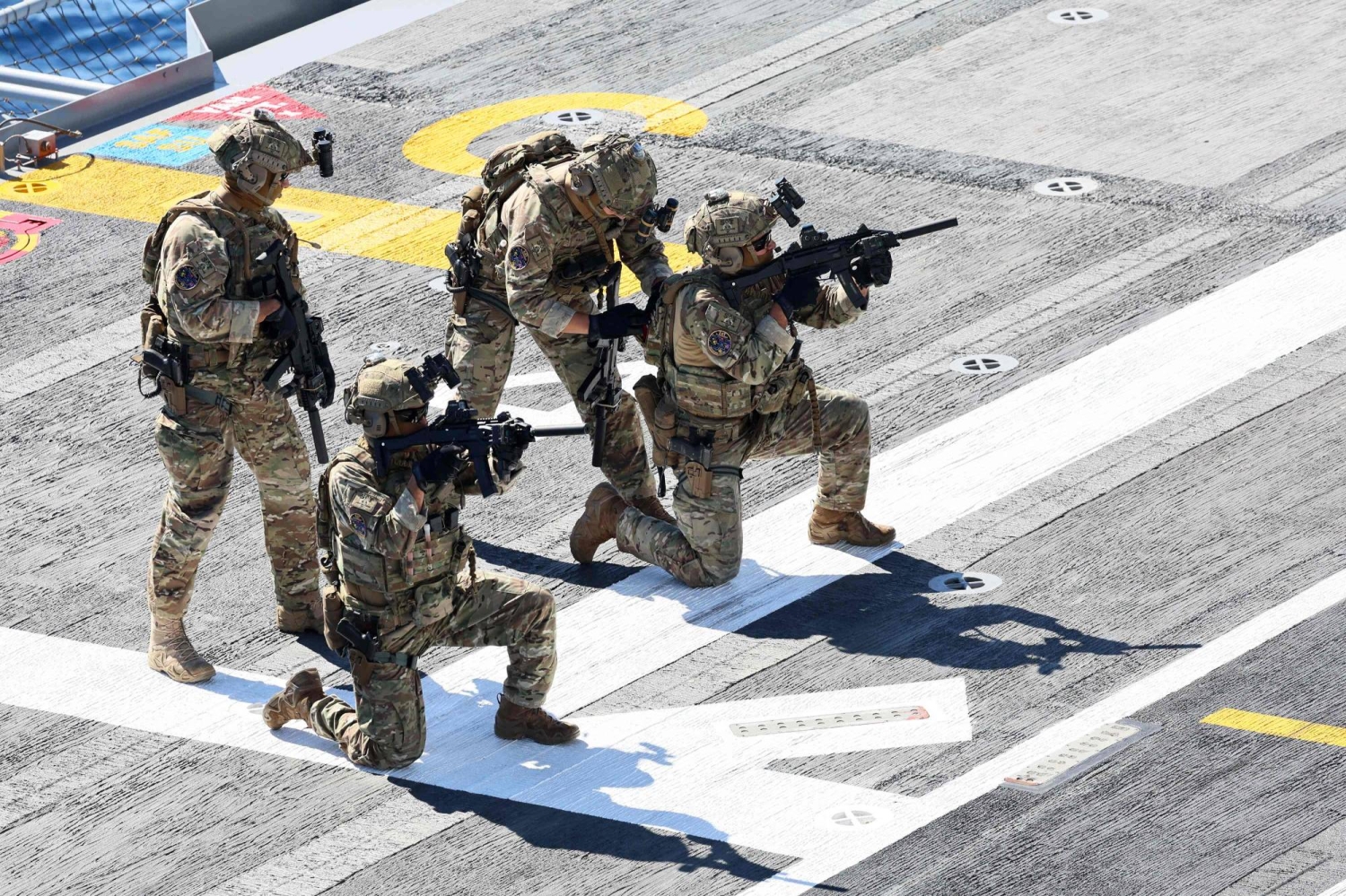
A Japan Times analysis from Izmir, Turkey, says rapid integration of high tech and artificial intelligence int…
The explainer breaks CRISP-DM into six stages — business understanding, data understanding, data preparation…
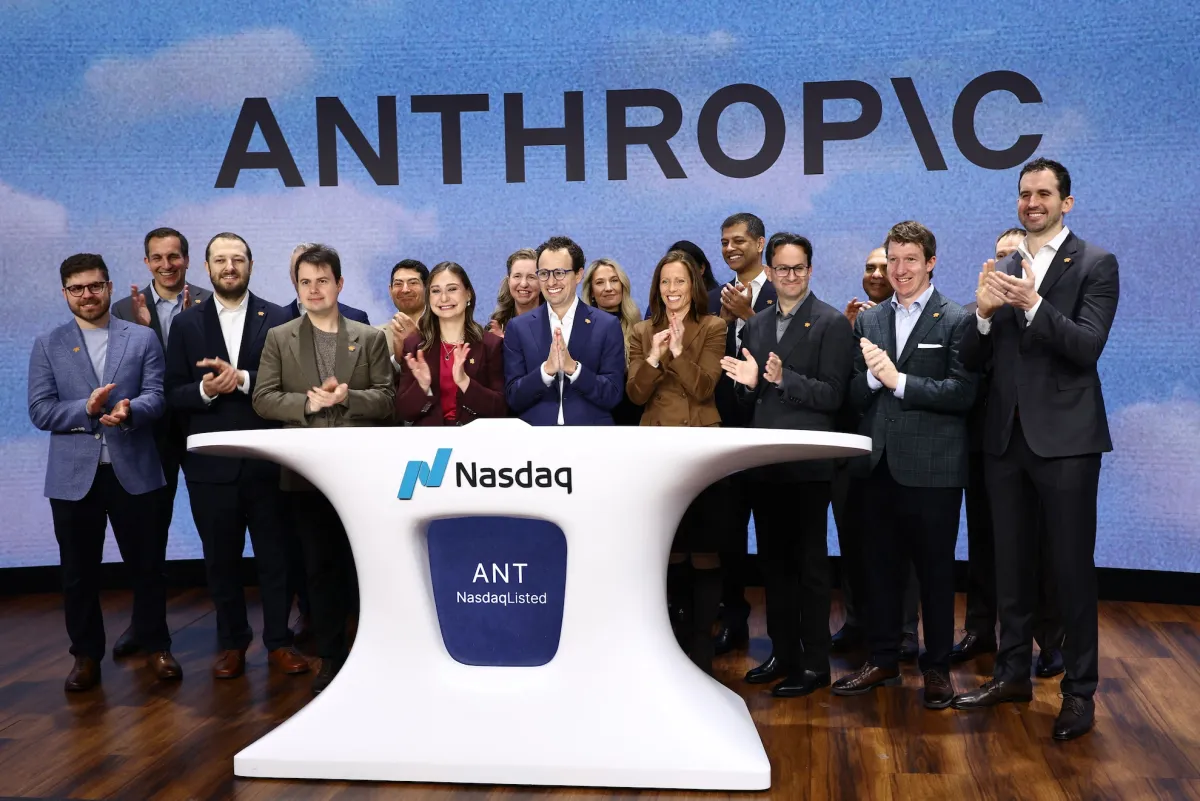
Anthropic raised $81.3 billion in the largest IPO in history, reaching a fully diluted valuation of about $1.5…