What happened
Nvidia announced a $5 billion investment in Safe Superintelligence (SSI), a lab founded by AI pioneer Ilya Sutskever. SSI claims to have made an AI breakthrough but has not shared any details publicly.
Why it matters
Much of the $5 billion will flow back to Nvidia as GPU purchases. Even if SSI fails, the supercomputer hardware it builds will likely be leased to other parties — a pattern already seen with SpaceX-AI and Meta — meaning Nvidia profits from the compute regardless of SSI's success as a product company.
What to watch
SSI's willingness to disclose technical details of its claimed breakthrough; whether the lab's excess GPU capacity is leased to other AI companies, mirroring the precedent set by SpaceX-AI and Meta.
Summaries like this, in your inbox every morning.
Nvidia's $5 billion investment in SSI can be understood through the lens of compute infrastructure rather than venture capital betting on a startup's product success. The article frames skepticism about SSI's unverified AI breakthrough claim, noting that "AI breakthroughs don't usually happen in secret." However, the investment's logic does not rest on that breakthrough materializing. Instead, Nvidia is effectively guaranteeing demand for its GPUs: a substantial portion of the capital immediately cycles back to Nvidia as hardware purchases, and the supercomputer infrastructure built with those GPUs will generate ongoing revenue through compute leasing regardless of SSI's independent success. The precedent is established: SpaceX-AI and Meta have both leased excess capacity at supercomputers they constructed, meaning Nvidia can rely on utilization even if SSI fails to commercialize its own AI product. By framing the investment as betting on compute demand rather than on SSI's breakthrough, the article implicitly rejects the "AI bubble" narrative that has circulated on Wall Street, which draws strained analogies to past financial crises. The underlying premise — that somebody will always need GPU compute — appears structurally sound regardless of which individual AI laboratory or company survives.
Pick your industry and the AI tools you use, and get news related to your work every day.
Free · 30 seconds with Google · unsubscribe anytimeWhat is AIToday? →
Ask AI anything about this article. The AI reads this article, earlier AIToday articles, and Wikipedia, and cites its sources. Q&As are published on this page for other readers too.
In Q2, billionaires or their funds sold six 'Magnificent Seven' AI stocks
Nvidia was rising early Friday, even as the wider chip sector kept falling, Barron's reported
ElevenLabs completed a $300 million employee tender at a $22 billion valuation, and co-founder Mati Staniszews…
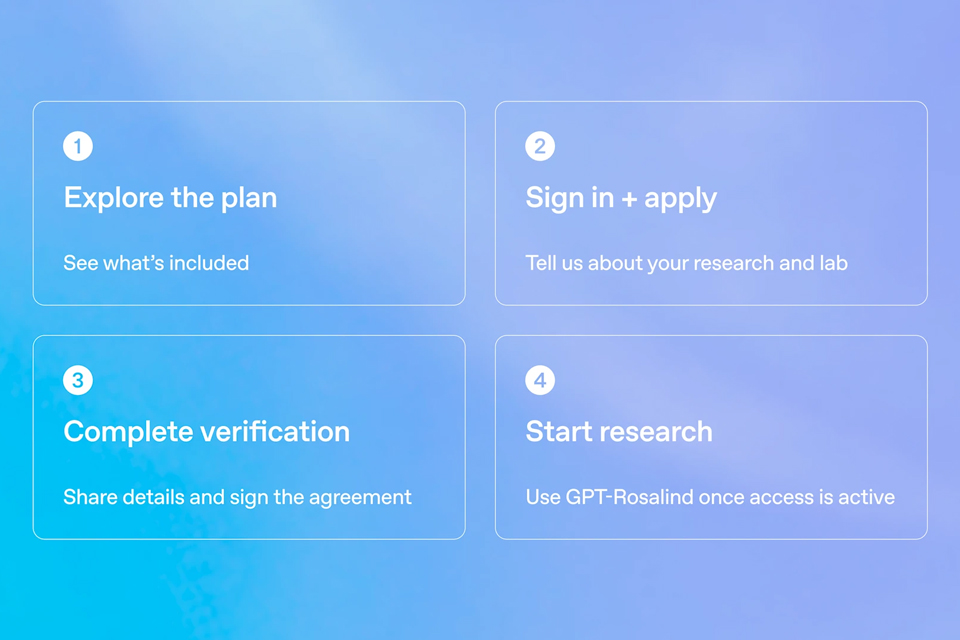
On October 15, OpenAI announced the Rosalind Academic Plan, giving approved US university labs free access to…
Neostellar Capital principal Evan Schlossman said CoreWeave's $103.7 billion in remaining performance obligati…
Supermicro Computer appointed Mark Long as chief financial officer, bringing an experienced technology finance…