What happened
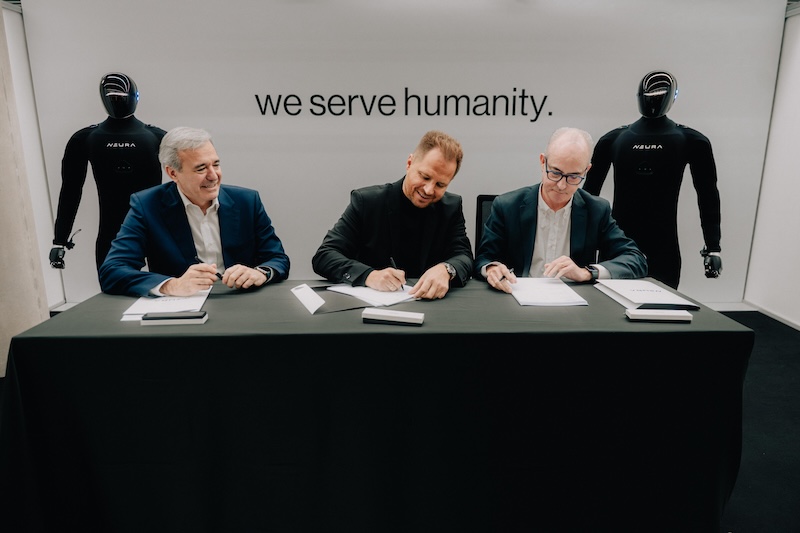
Neura Robotics, the Government of Aragón and Costa Group signed a memorandum of understanding to build Neura Gym Aragón and a Physical AI Model Zone, targeting a mid-2027 opening with investment in the tens of millions of euros, led by Neura Robotics.
Why it matters
The shared facility is meant to let companies train robots on their own process knowledge and license the resulting skills, potentially giving smaller firms access to automation infrastructure they could not build alone, though the economics of such a market have yet to be established.
WHO IT HITSSmall and medium-sized manufacturers and agri-food businesses in Aragón that lack their own robotics R&D facilities stand to gain shared training infrastructure, while regional universities and suppliers may see research and service roles.
Summaries like this, every morning.
The initiative rests on a gap the partners describe between digital intelligence and physical work: robots need to handle objects, materials and tools that vary from one workplace to another, and much of that knowledge sits with people on factory floors and farms rather than in manuals. Neura Gym Aragón is intended to bring training infrastructure closer to those workers and their employers, combining robotics, AI models, simulation and Neura's Neuraverse platform so companies can bring their own tasks and process knowledge into a shared development environment.
The planned Physical AI Model Zone extends that work into designated settings where applications can be tested under representative operating conditions before wider adoption. Costa Group, based in Fraga, serves as industrial anchor partner, giving the project access to real agricultural and industrial challenges rather than laboratory-conceived applications; the partners will initially explore productivity gains and reducing physically demanding or repetitive work, with potential reach into logistics and automotive manufacturing. The University of Zaragoza and other regional universities are expected to contribute research, training methods and talent.
What distinguishes the proposal is its treatment of expertise as a licensable asset: a company that develops an effective robotic application could, in principle, earn revenue by licensing it independently of its traditional products, while retaining control of company-specific knowledge. Whether a substantial market for transferable robotic skills emerges will hinge on technology reliability, compatibility between robotic systems and intellectual property arrangements, and the detailed economics have yet to be established.
Pick your industry and the AI tools you use, and get news related to your work every day.
Free · 30 seconds with Google · unsubscribe anytimeWhat is AIToday? →
Ask AI anything about this article. The AI reads this article, earlier AIToday articles, and Wikipedia, and cites its sources. Q&As are published on this page for other readers too.
Silicon Device will start handling e-con Systems' Darsi Pro series on November 27; it runs NVIDIA Jetson Orin…

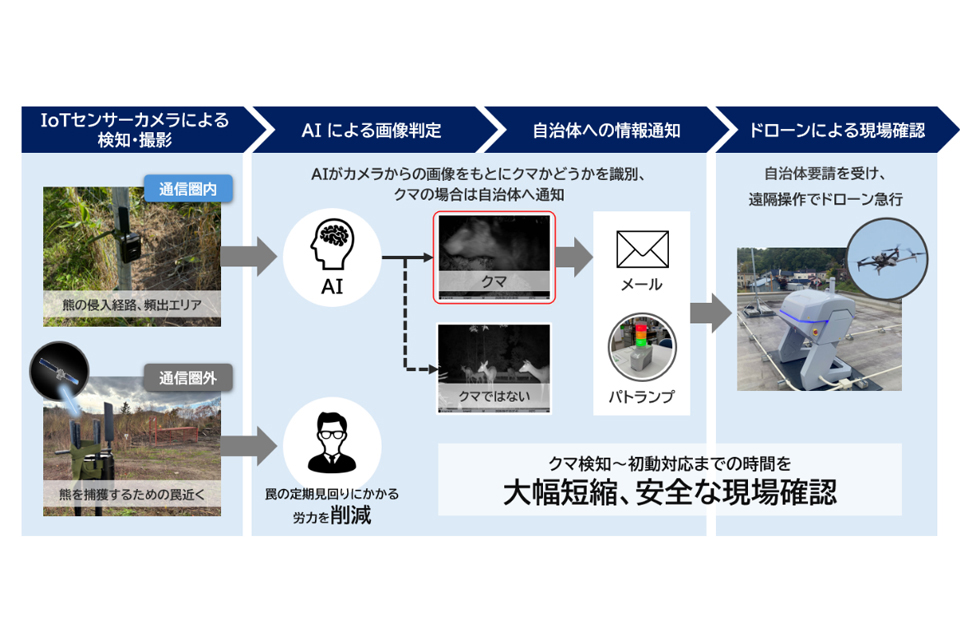
KDDI and KDDI SmartDrone installed 8 IoT sensor cameras in the mountains of Kamisunagawa and Minamifurano, sen…
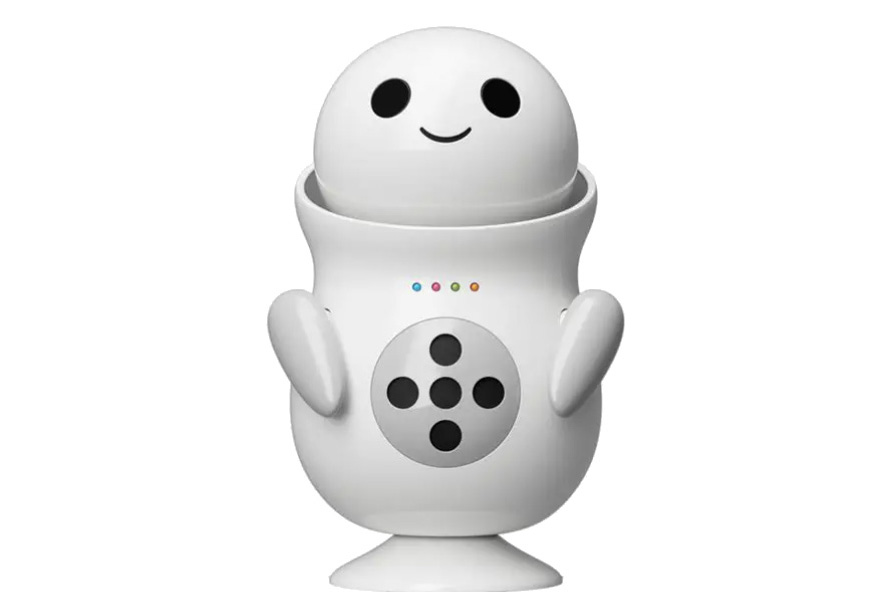
Indy Associates began selling miniMORK AI and started a trial at Haneda Airport Terminal 1 with two units plac…
Nexdata published a guide on egocentric data — first-person camera footage of human work — placing it above si…
Xpeng unveiled humanoids, cars and drones built on a single shared AI brain, a direct challenge to Tesla

Mitsubishi Electric is exhibiting physical AI at CEATEC®2026, including a robot-control demo for unmanned manu…