
What happened
GPTZero detected fabricated sources and false claims in four PwC Middle East reports published between 2024–2026. The report "Transforming Governance" is 84 percent likely to be entirely AI-generated. PwC claims governments in Denmark, Saudi Arabia, the U.S., and Australia use its "Citizen Pulse" product, but no evidence supports those claims. PwC Middle East told the Financial Times it is "updating a limited number of supporting citations" but did not explain how the errors occurred.
Why it matters
GPTZero identified a pattern called "Vibe Citing"—references cited loosely without correct titles, URLs, or authors, and not actually supporting the attached claims. This mirrors a problem seen in academia. The issue reflects risks when consulting firms deploy AI-generated content without adequate fact-checking, potentially damaging client trust and the credibility of product endorsements.
What to watch
This is part of a broader pattern; GPTZero has already found fabricated sources at KPMG, Deloitte, and Ernst & Young. The question remains whether these are failures of AI detection or problems with how firms use AI in reporting.
Summaries like this, in your inbox every morning.
The PwC discovery is the latest in a series of similar findings across major consulting firms. GPTZero has now flagged fabricated sources at four large professional services companies—KPMG, Deloitte, Ernst & Young, and PwC—suggesting a systemic issue rather than an isolated incident. The pattern GPTZero calls "Vibe Citing" describes references that are cited loosely, often without correct titles, URLs, or authors, and do not actually support the claims they are attached to; the report notes this same behavior occurs in academia, indicating the problem extends beyond consulting.
What distinguishes the PwC case is the scale of AI generation detected in a single report ("Transforming Governance" at 84 percent) and the specific false claim about government adoption of a named product. PwC Middle East's response—acknowledging that it is "updating a limited number of supporting citations" without explaining how the errors occurred—leaves the root cause unclear. The body of the article suggests that whether this is fundamentally an AI problem or a governance problem remains open: the issue may be not that AI generates text, but how firms validate, review, and publish that text before releasing it to clients.
Pick your industry and the AI tools you use, and get news related to your work every day.
Free · 30 seconds with Google · unsubscribe anytimeWhat is AIToday? →
Ask AI anything about this article. The AI reads this article, earlier AIToday articles, and Wikipedia, and cites its sources. Q&As are published on this page for other readers too.
Supermicro Computer appointed Mark Long as chief financial officer, bringing an experienced technology finance…

Holtek Semiconductor unveiled its 2026 product roadmap on October 15, focusing on four core areas: smart prote…

TSMC reported about NT$763.1b in Q3 net profit and confirmed that demand for advanced processors is running ah…

Nvidia-backed CoreWeave steadied Thursday after a sharp slump, as investors worried about the debt financing b…
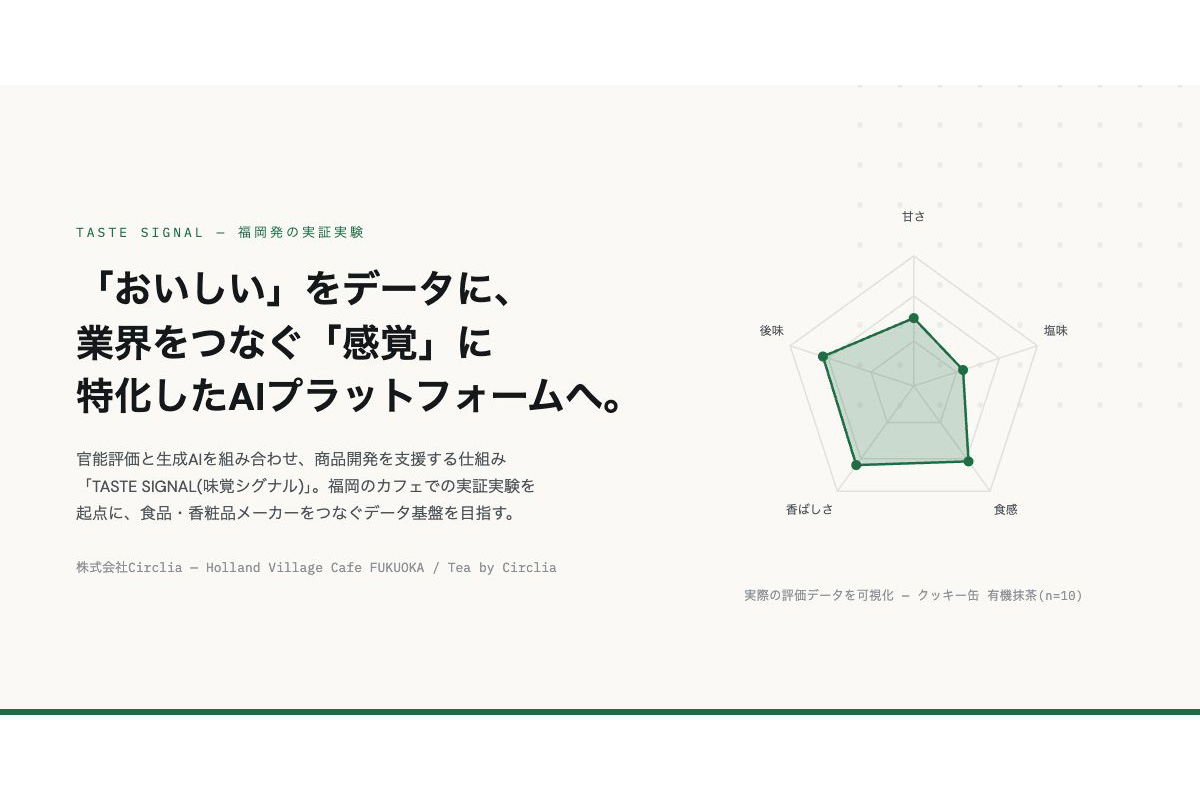
Circlia started a proof-of-concept for TASTE SIGNAL: visitors to Holland Village Cafe FUKUOKA taste cookies an…
Weathernews said on October 15 it implemented its own AI weather-forecasting model, AI-Nowcast, in its Weather…