What happened
SpaceX released Grok 4.6, benchmarking against Anthropic's latest models and OpenAI's GPT 5.6; AT&T routes 45 billion daily tokens across open and closed models via a smart router, with open models now powering 25% of use and expected to reach 70–80% over time; Apple hired Nate Gatten, a former American Airlines and JPMorgan government affairs veteran with Republican ties, to lead its global government affairs operation as John Ternus becomes CEO on September 1.
Why it matters
Elon's $60 billion acquisition of Cursor, the AI-native coding company, is validated by Grok 4.6's performance; AT&T's shift demonstrates enterprises are building portfolios of both open and closed models rather than locking into a single vendor, with switching to open models already saving 80–90% in certain applications; Apple's government affairs restructuring—with Tim Cook moving to executive chairman while managing White House relationships—signals Big Tech is treating DC lobbying as a first-team priority ahead of tariffs, chip sourcing, and the September Xi-Trump White House meeting.
What to watch
How the market assesses Grok 4.6's benchmarks in coming days; AT&T's projection that open models will power 70–80% of its AI workload over time; Apple's Pixel 11 phones reducing RAM from last year's 16 gigabytes to 12 despite price increases of $100 on phones and $50 on wearables, signaling that memory pricing pressure is persisting across even the largest tech companies.
Summaries like this, in your inbox every morning.
Pick your industry and the AI tools you use, and get news related to your work every day.
Free · 30 seconds with Google · unsubscribe anytimeWhat is AIToday? →
Ask AI anything about this article. The AI reads this article, earlier AIToday articles, and Wikipedia, and cites its sources. Q&As are published on this page for other readers too.
Cammarata reinterprets InceptionV1's cat-car neuron as a V-shape detector, not two unrelated concepts

Google Deepmind's Gemini 4 Argon scored 97.5 percent on ARC-AGI-3 at a cost of $4,800, second only to GPT-6 As…
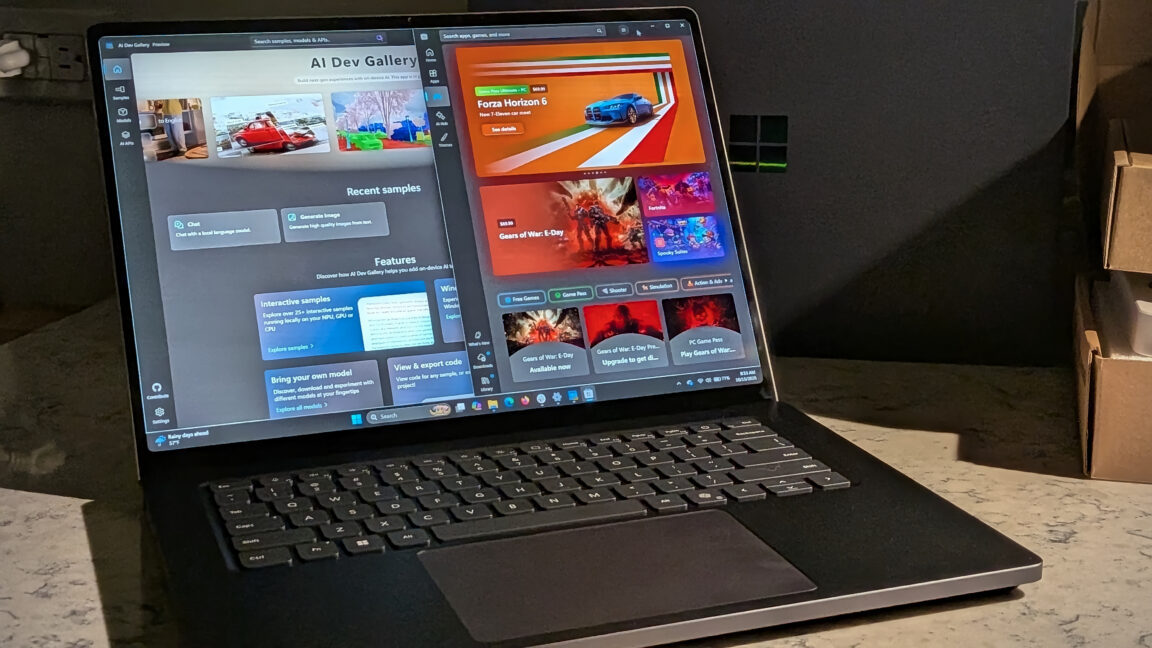
Microsoft's Surface Laptop Ultra, using Nvidia's RTX Spark platform, starts at $2,599 (up to $5,899)
Meta's new commercial terms, effective October 30th, appear to let it crawl and train AI on content from websi…
Vercel data published Thursday shows TypeSafe AI's Jev, a lightweight decision model for choosing among predet…
Reflection AI introduced Beam, an open-weight model for agentic coding and long-horizon tasks, with 501 billio…