What happened
Nvidia is reported to be acquiring Hugging Face for $13 billion, following its $6 billion deal with Poolside and Stripe's $7 billion acquisition of OpenRouter.
Why it matters
These deals reflect a trend of tech giants hedging their bets on open-weight AI models, which are increasingly used for cost-efficient inference workloads, despite current low adoption rates of just 6% among companies.
What to watch
Fireworks CEO Lin Qiao, whose company processes 40 trillion tokens a day, predicts every company will eventually build its own specialized models, signaling a shift toward open-model adoption as frontier lab prices rise.
Summaries like this, in your inbox every morning.
The reported $13 billion acquisition of Hugging Face by Nvidia is part of a broader wave of consolidation in the open-weight AI sector. Nvidia's moves, including its $6 billion agreement with Poolside, are aimed at reducing its dependence on a few large cloud providers and frontier labs, especially as companies like OpenAI and Google develop their own inference chips, such as OpenAI's Jalapeño, announced this week. By controlling the largest US developer space for open models, Nvidia could steer developers toward its chips and standards.
The acquisitions also signal a strategic shift in the AI market. While adoption of open-weight models is still low—6% of companies according to Ramp, and 2% of software engineers per Jellyfish—the potential for cost-efficient, customizable AI is driving interest. Nik Albarran of Jellyfish notes that open models are primarily used for high-volume, repetitive tasks like customer service chats, where tuning can reduce costs. However, for coding and agentic tasks, frontier models often prevail due to ease of access and subsidies. As frontier lab prices rise, more companies may be forced to consider open models, but the primary motivation remains control and configurability.
Fireworks CEO Lin Qiao embodies the bullish on open models. Her company processes 40 trillion tokens a day, exceeding Gemini and OpenAI's APIs, and she advocates for every company to build its own specialized models. This vision of "specialized intelligence" suggests a future where open-weight models become central to corporate AI strategies, making these acquisitions strategic bets on that future.
Pick your industry and the AI tools you use, and get news related to your work every day.
Free · 30 seconds with Google · unsubscribe anytimeWhat is AIToday? →
Ask AI anything about this article. The AI reads this article, earlier AIToday articles, and Wikipedia, and cites its sources. Q&As are published on this page for other readers too.
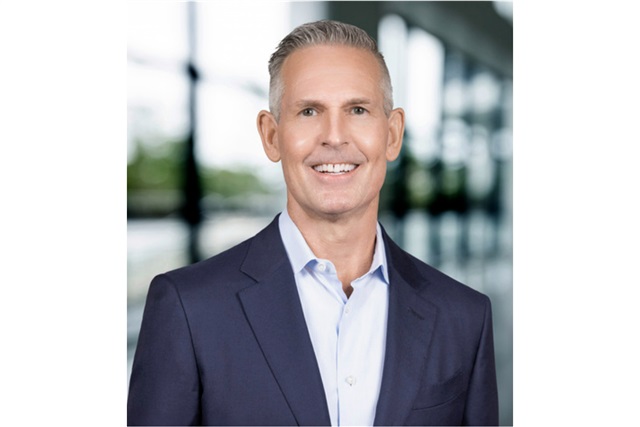
Supermicro Computer appointed Mark Long as chief financial officer, bringing an experienced technology finance…
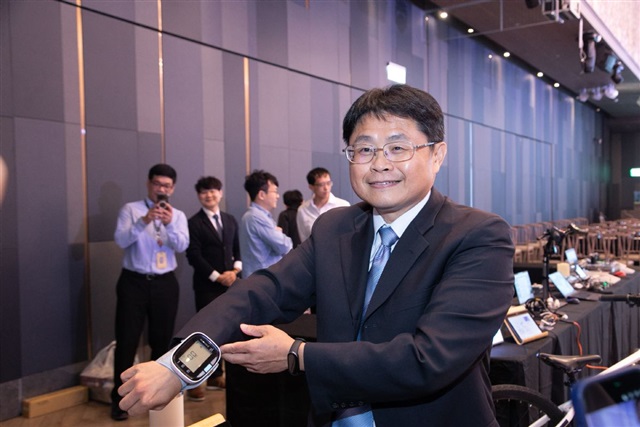
Holtek Semiconductor unveiled its 2026 product roadmap on October 15, focusing on four core areas: smart prote…
TSMC reported about NT$763.1b in Q3 net profit and confirmed that demand for advanced processors is running ah…

Nvidia-backed CoreWeave steadied Thursday after a sharp slump, as investors worried about the debt financing b…
Circlia started a proof-of-concept for TASTE SIGNAL: visitors to Holland Village Cafe FUKUOKA taste cookies an…

Weathernews said on October 15 it implemented its own AI weather-forecasting model, AI-Nowcast, in its Weather…