
What happened
Nucleai announced an ongoing translational research collaboration with Gilead Sciences, using AI-driven tissue analytics on large H&E and IHC slide datasets to support Gilead’s global antibody-drug conjugate clinical development programs across multiple oncology indications. The work has already produced candidate spatial biomarkers and fresh biological insights.
Why it matters
This collaboration supports Gilead’s efforts to build a credible second growth pillar in oncology beyond its HIV cash flows. It aims to sharpen biomarker selection for current and future antibody-drug conjugates, and could help standardize biomarker assessment and better link tumor biology to clinical outcomes in precision oncology.
What to watch
Gilead’s near-term focus remains on Trodelvy’s first-line breast cancer rollout and on pricing and policy pressure in HIV. The Nucleai work plugs into the ambition to make Trodelvy a more central oncology asset, but it does not remove execution risk or market access challenges.
Summaries like this, in your inbox every morning.
Gilead’s investment narrative has long depended on HIV cash flows funding a second growth pillar in oncology. The Nucleai collaboration is a modest step in that direction, aiming to sharpen biomarker selection for antibody-drug conjugates. This aligns with recent positive regulatory decisions for Trodelvy in first-line triple negative breast cancer, making it a more central oncology asset. However, the collaboration does not, by itself, address execution risks or market access challenges in oncology, nor does it change near-term focus on HIV pricing pressures. The bullish analysts’ forecasts of $38.1 billion revenue and $12.7 billion earnings by 2029 are far more optimistic than the baseline narrative, and the Nucleai news either strengthens that case or highlights how much still needs to go right for those forecasts to hold.
Pick your industry and the AI tools you use, and get news related to your work every day.
Free · 30 seconds with Google · unsubscribe anytimeWhat is AIToday? →
Ask AI anything about this article. The AI reads this article, earlier AIToday articles, and Wikipedia, and cites its sources. Q&As are published on this page for other readers too.
In Q2, billionaires or their funds sold six 'Magnificent Seven' AI stocks
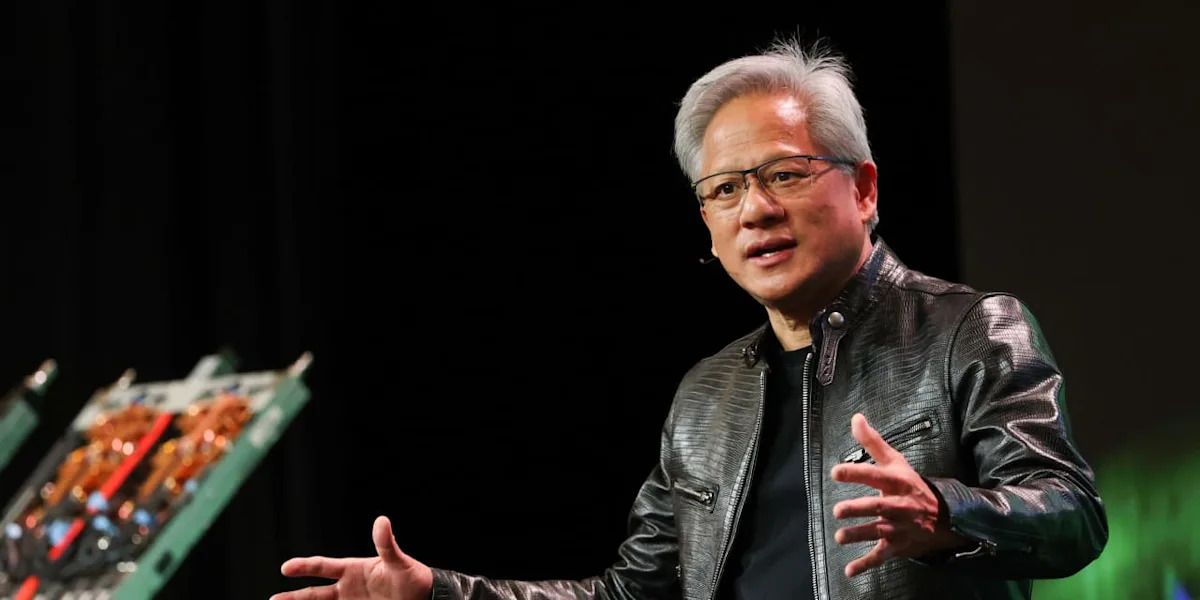
Nvidia was rising early Friday, even as the wider chip sector kept falling, Barron's reported
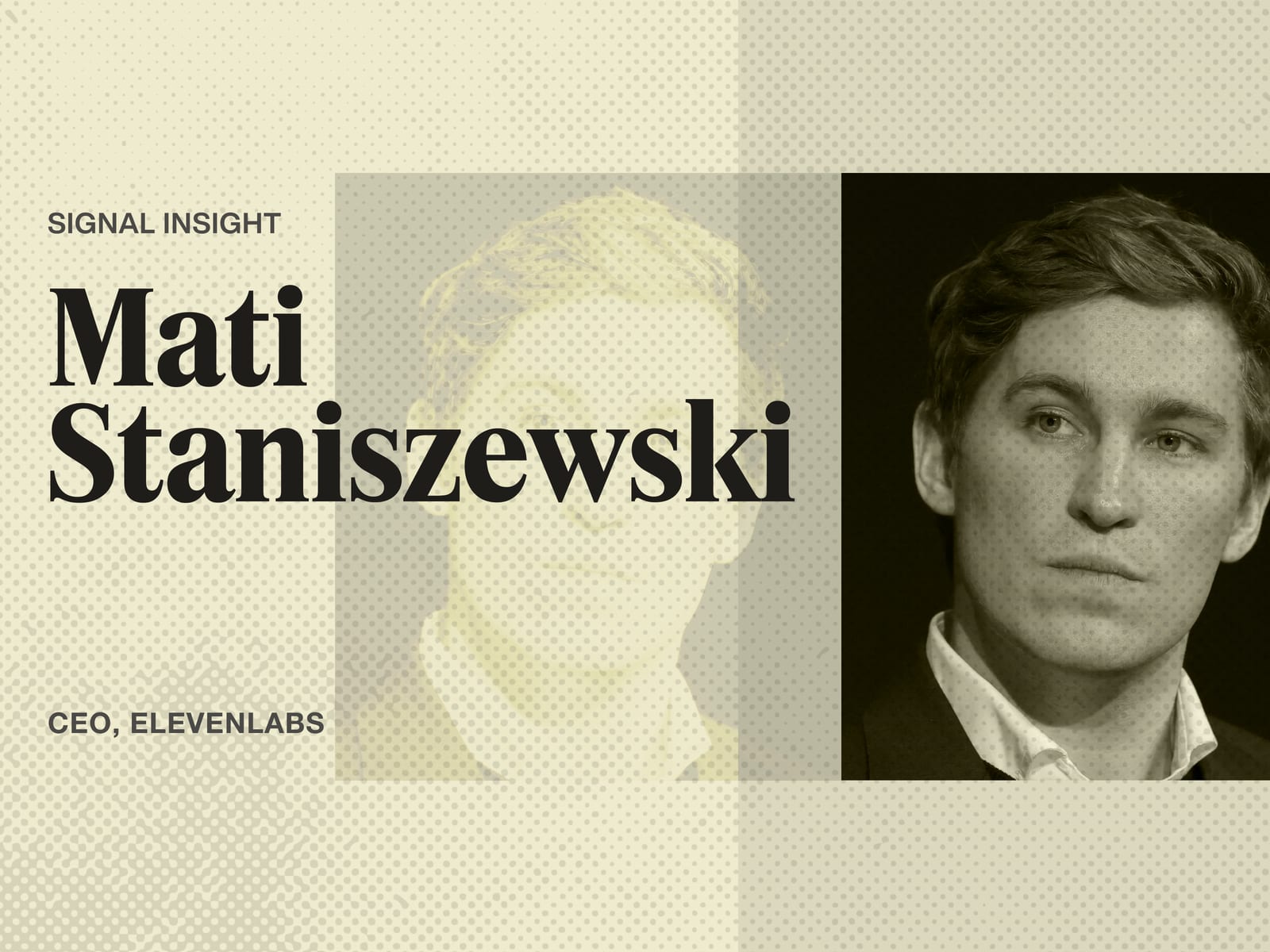
ElevenLabs completed a $300 million employee tender at a $22 billion valuation, and co-founder Mati Staniszews…
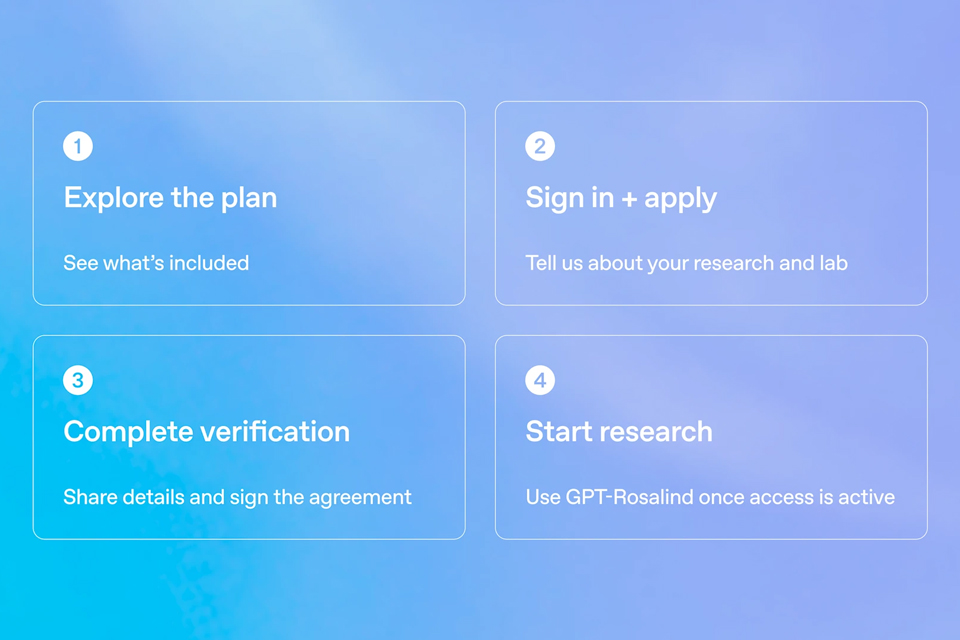
On October 15, OpenAI announced the Rosalind Academic Plan, giving approved US university labs free access to…
Neostellar Capital principal Evan Schlossman said CoreWeave's $103.7 billion in remaining performance obligati…
Supermicro Computer appointed Mark Long as chief financial officer, bringing an experienced technology finance…