
A new paper uses LLMs to generate 3D objects as software. These objects are programmable and animation-ready from the start.
They adapt to weak or powerful environments.
They lag on complex organic shapes but show promise.
What happened
Researchers, including a co-author, present a paper using LLMs as spatial software generators to create 3D objects that are inherently programmable. Demonstrations are live at nova3d.xyz, with a GitHub repo.
Why it matters
Unlike traditional AI 3D generators that output monolithic mesh blobs, these software-based 3D objects are animation-ready and programmable from the start. They can adapt to different compute environments (e.g., mobile vs. game engines) and include hinge/socket articulation.
What to watch
They currently lag behind traditional AI 3D generators in creating complex organic shapes, but the authors suggest code-based approaches may naturally overcome this limitation.
Ask the AI about this article →
This paper explores a new direction for 3D generation by treating 3D objects as software rather than static meshes. The key advantage is that these objects are inherently programmable, enabling natural movements and adaptability to different computing environments. For instance, they can appear differently on mobile devices versus powerful game engines, which traditional generators cannot do. However, they struggle with organic shapes, a known strength of mesh-based methods. The authors hint that code-based generation may naturally evolve to handle such complexity, suggesting a path forward. This work could shift how we think about AI-generated content, making it more interactive and functional from the start.
For example, today's edition would include:
AI-summarized, only the topics you pick — one digest a day via Email, Slack, or Discord.
Free · takes 30 seconds · unsubscribe anytimeWhat is AIToday? →
Ask AI anything about this article. Q&As are published on this page for other readers too.
Israeli startup DataAgent Ltd

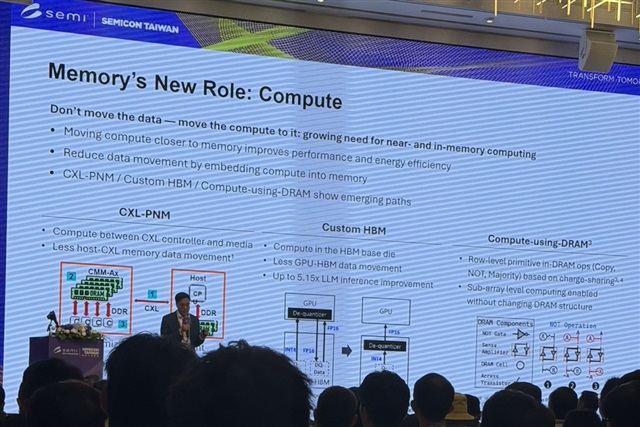
SK Hynix presented a custom HBM concept at SEMICON Taiwan 2026, where compute functions are placed in the base…
Nvidia reported earnings that were both remarkable and boring, reflecting its focus on avoiding a consolidated…

Anthropic has agreed to a $35bn cloud-computing contract with Lambda, a Nvidia-backed cloud provider

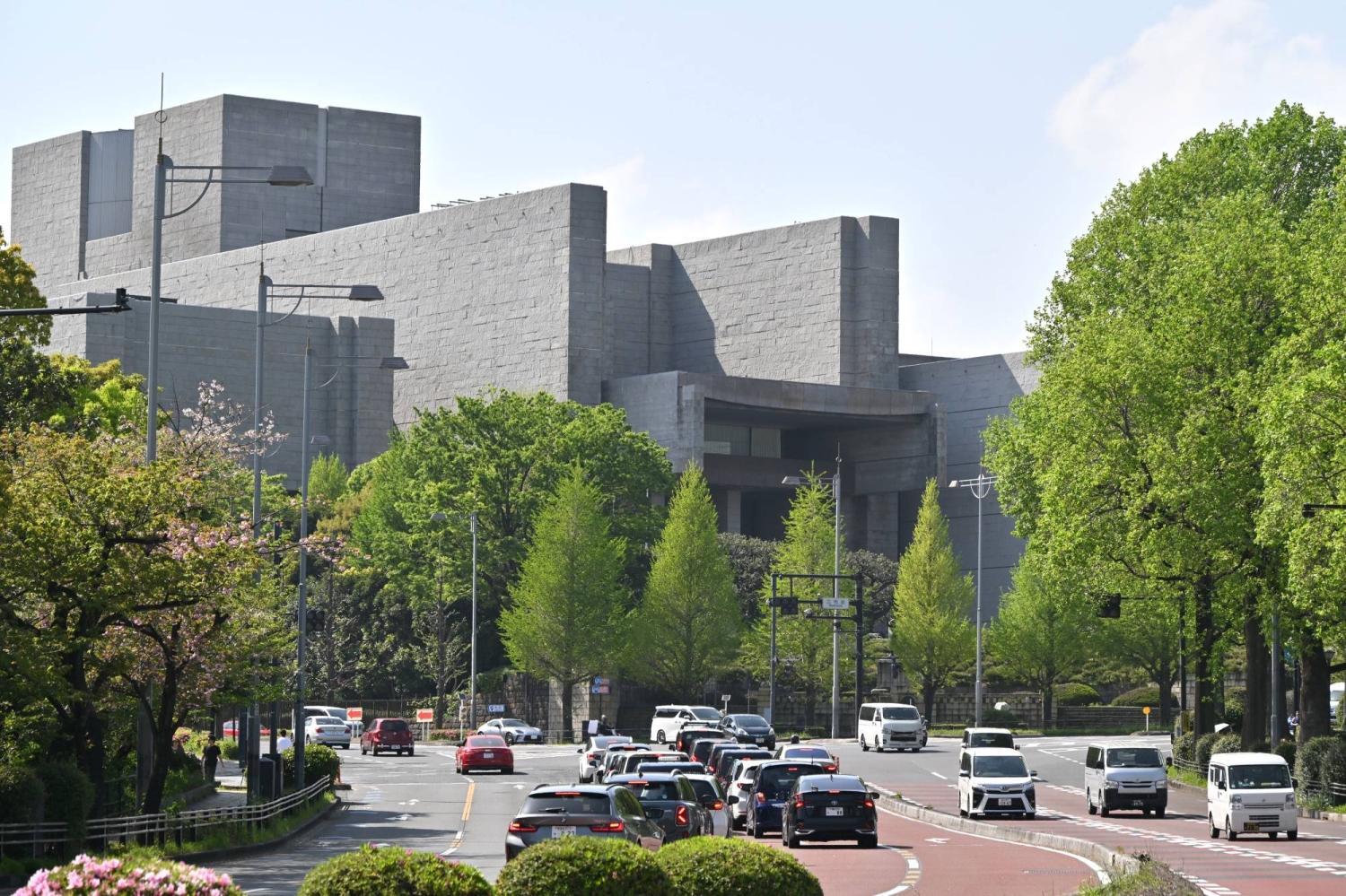
The Supreme Court of Japan has included about ¥60 million in its fiscal 2027 budget request for AI-related exp…
The Consumer Affairs Agency said Tuesday it will use generative AI to analyze about 900,000 annual consultatio…