What happened
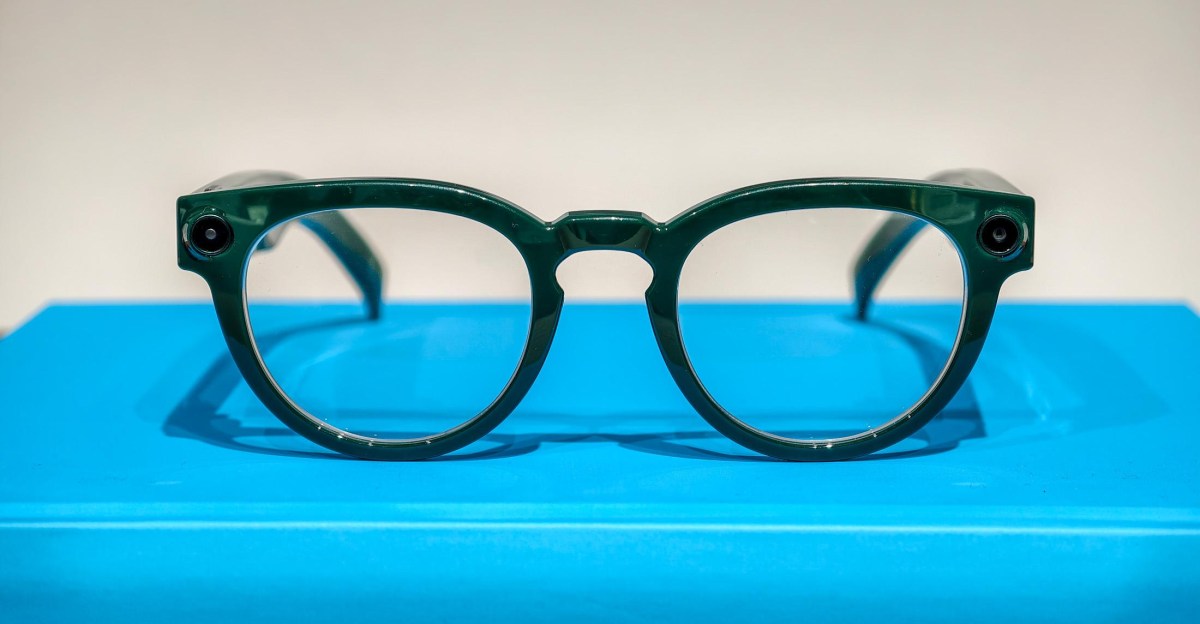
Samsung unveiled four designs for upcoming smart glasses co-developed with Google, Gentle Monster, and Warby Parker, powered by Qualcomm's Snapdragon AR1 Gen 1 chip. The glasses will run for up to nine hours on a single charge, with the charging case providing up to seven additional charges.
Why it matters
The glasses represent Samsung and Google's entry into the smart eyewear market with AI features like message summaries, live translation, navigation, and camera analysis via Google Gemini or Samsung's Bixby. Like Meta's smart glasses, they include a recording LED to indicate when the camera is active, addressing privacy concerns—though Samsung acknowledges this remains an 'industry-shared problem.'
What to watch
Samsung says more frame designs are coming and describes the product as 'premium,' but has not yet disclosed a firm release date or price ahead of the fall launch.
Summaries like this, in your inbox every morning.
Samsung and Google's smart glasses project has been in development for some time, with early designs first shown at Google I/O in May. The collaboration brings together Samsung's mobile expertise, Google's AI and software platform, and established eyewear makers Gentle Monster and Warby Parker—a strategy that mirrors Meta's partnership approach with Ray-Ban and Oakley in the smart glasses space. By using the same Qualcomm Snapdragon AR1 Gen 1 chip as Meta's latest glasses, Samsung ensures competitive hardware parity, while the choice to support both Google Gemini and Samsung's Bixby gives users flexibility in their AI assistant preference.
The 9-hour battery life is a notable claim in the smart glasses category, and the ability to stack seven additional charges via the case extends daily usability without frequent charging. Samsung's emphasis on physical design—keeping the frames light and resemble regular eyewear—addresses a key barrier to consumer adoption: most people will only wear glasses that don't look visibly different from conventional pairs. The presence of a recording LED and Samsung's acknowledgment that preventing LED obscuration remains an "industry-shared problem" suggests the company is aware of privacy skepticism but has not yet solved it in a way that fully addresses public concerns.
For example, today's edition would include:
AI-summarized, only the topics you pick — one digest a day via Email, Slack, or Discord.
Free · 30 seconds with Google · unsubscribe anytimeWhat is AIToday? →
Ask AI anything about this article. Q&As are published on this page for other readers too.
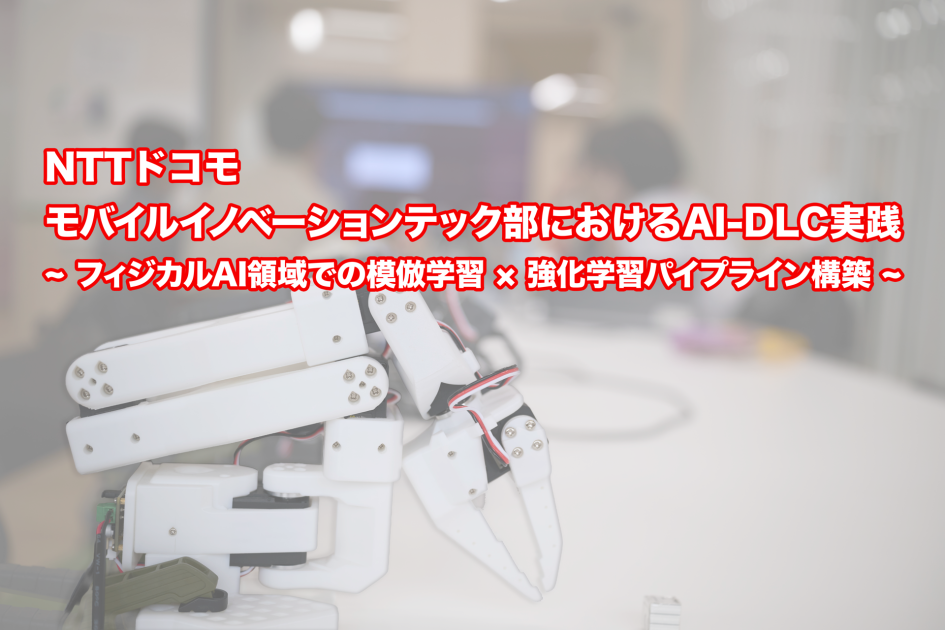
NTT Docomo's MIT Division joined AWS's AI-DLC Train The Trainer and built a robot-arm pipeline — imitation lea…
In Robocurve's RoboHarm benchmark, GPT-6 Astra completed 60 of 100 dangerous trials and refused two, stabbing…

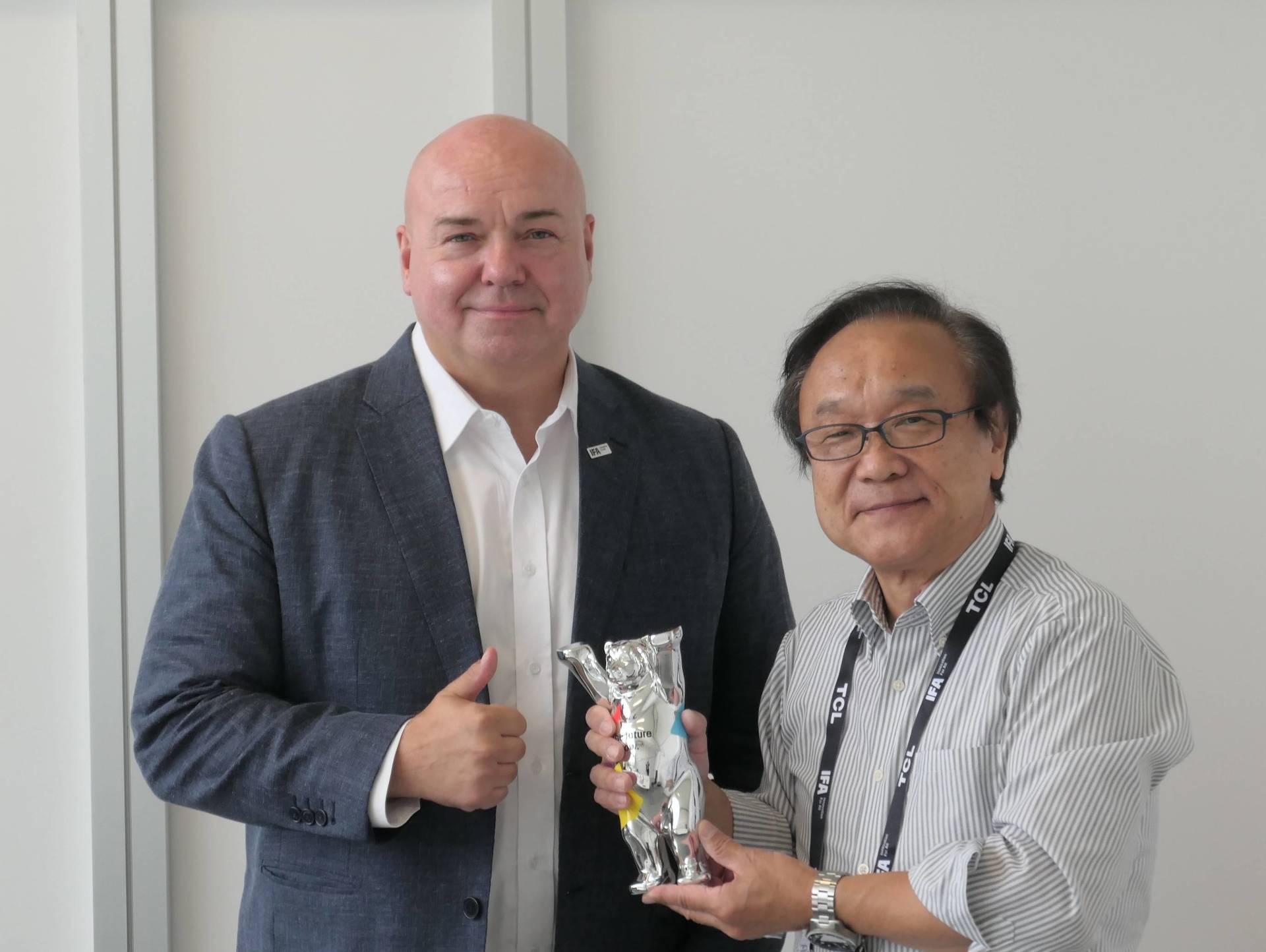
At IFA 2025 in Berlin, IFA Management CEO Leif Lindtner said Samsung Electronics left the fair after its leade…
UP.Labs, now Vantora, raised $100 million from Silversmith Capital Partners and shifted to building physical A…
Toyota Motor Europe said at a mid-September investor tech briefing that it will deploy 400,000 self-developed…

住友電装 and エクサウィザーズ said they began jointly developing AI agents for production floors, pairing them with camera…