What happened
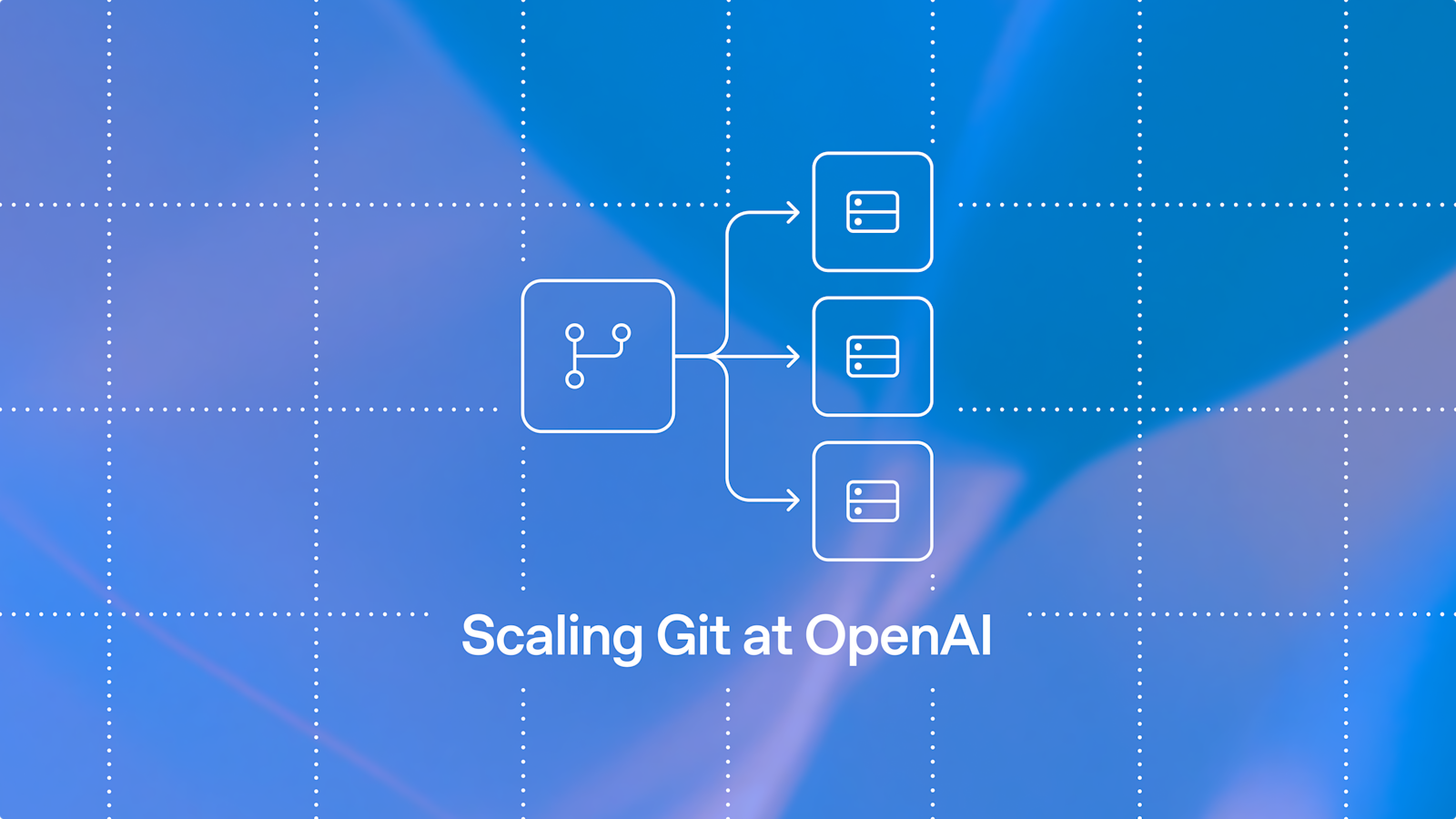
OpenAI built Pando, a new Git backend now powering all development in its monorepo. In production, it cut median push latency by nearly 5x and delivers nearly a petabyte of Git data per day.
Why it matters
Pando keeps compatibility with the standard Git protocol and client, so OpenAI's engineers and AI agents could adopt it without changing their workflows — and improvements were contributed upstream to Git itself.
WHO IT HITSEngineering teams running very large code repositories — especially those using AI coding agents that generate many parallel branches and pushes — are the clearest beneficiaries if Pando's approach proves portable. OpenAI's upstream Git contributions may also reach developers using standard Git tooling.
Summaries like this, every morning.
OpenAI's monorepo came under strain as Codex changed the pace of development, enabling engineers to do far more work in parallel — more branches, pushes, merges, and fetches from development environments, research jobs, and CI. Starting around the end of last year, the systems supporting the monorepo struggled to keep up, with slow fetches and pushes, failed merges, and reliability at times falling below 90%. Rather than abandon Git, OpenAI chose to rebuild the backend while retaining compatibility with the Git protocol and client, so improvements could be contributed upstream to the broader community.
Pando departs from two common approaches to scaling Git. A three-phase commit design keeps complete replicas and coordinates every ref update across them, putting disk performance and communication latency on the push path. A write-ahead log design orders updates through a shared manifest in blob storage, but even pushes to unrelated branches contend on that single manifest. Pando instead adopts causal consistency: it stores each incoming packfile as an immutable blob, records ref versions in a metadata store, and reuses packfiles across fetches. This means clients reading several branches may see them at different points in time, a trade-off OpenAI says users and agents are agnostic to in practice.
On the read side, Pando uses the Git protocol's packfile-uri feature to return links to stored packs rather than computing a custom packfile per client, with a pack delivery service called Express caching packs in regional clusters at cache hit rates over 99%. OpenAI says this lets clone and fetch operations saturate 10 Gbps network links using standard cloud virtual machines, and that Pando supports many thousands of concurrent clients without impacting performance under load.
Pick your industry and the AI tools you use, and get news related to your work every day.
Free · 30 seconds with Google · unsubscribe anytimeWhat is AIToday? →
Ask AI anything about this article. The AI reads this article, earlier AIToday articles, and Wikipedia, and cites its sources. Q&As are published on this page for other readers too.
Uravation handled program design, materials and instructors for Itochu Interactive's corporate AI agent implem…

Anthropic announced on November 24 that "Install as app" lets Claude's conversational Artifacts — charts, web…

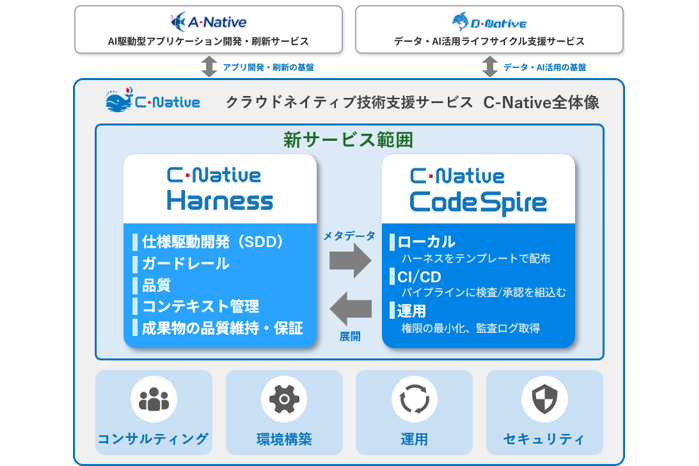
CTC added C-Native Harness, which manages IT infrastructure configuration and permissions, and C-Native CodeSp…
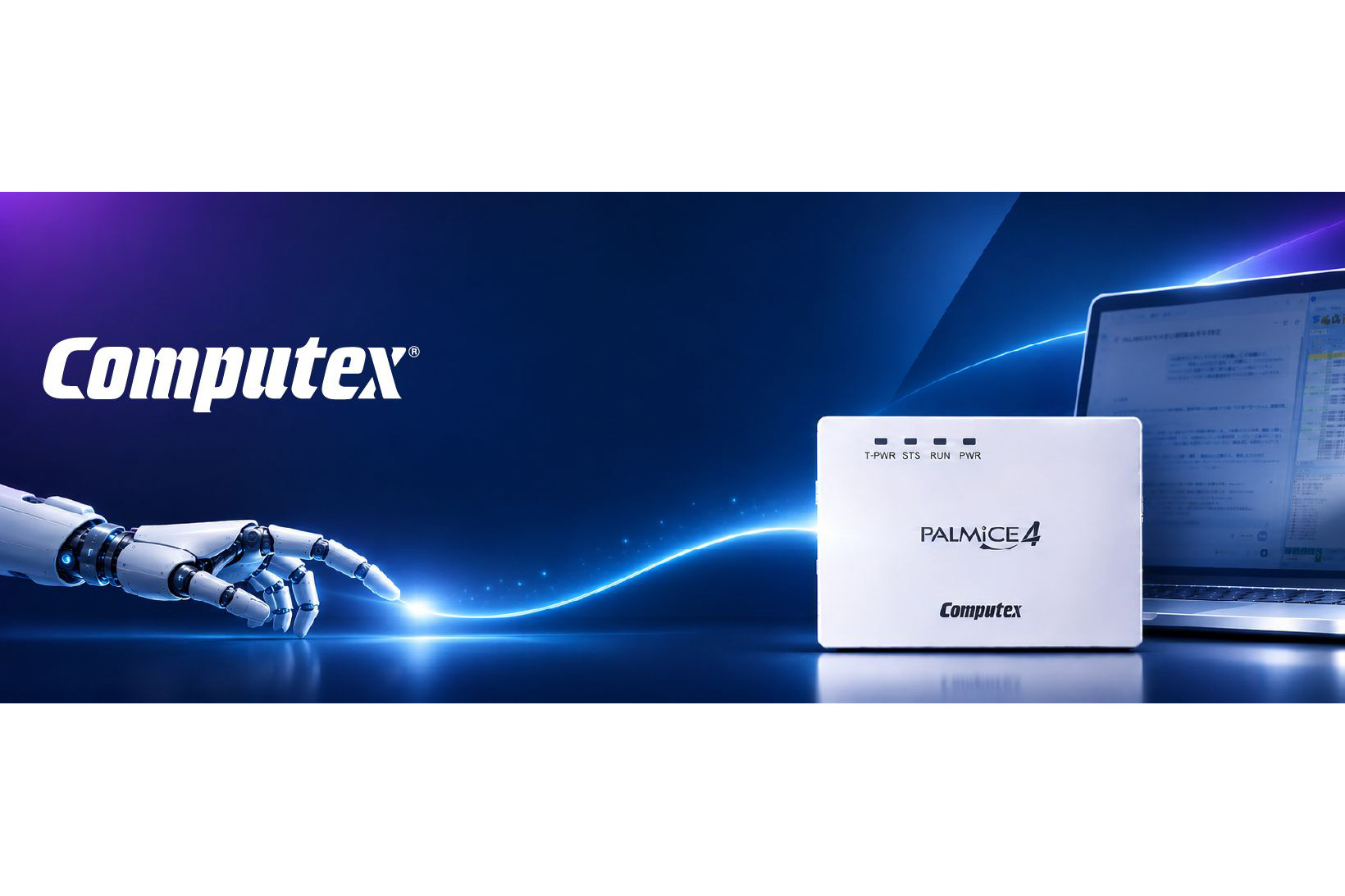
Computex said it will release an "AI-assisted debugging" technology in December that has AI check the state of…
A Nikkei piece reports that Claude Code consumes tokens in unexpected spots, and that large usage fees have be…
An embedded engineer writes that he uses GitHub Copilot mainly to explain code outside his own components, loc…