What happened
AWS Strands Evals SDK now includes detector functions that automatically scan AI agent execution traces to identify failures and trace causal chains between them. The detectors categorize failures across nine parent categories—hallucination, incorrect actions, orchestration errors, task instruction non-compliance, execution errors, context handling errors, repetitive behavior, LLM output issues, and configuration mismatch—and assign confidence scores and fix recommendations.
Why it matters
When an AI agent's performance drops (for example, goal success rate falling from 85 percent to 70 percent after a deployment), teams previously had to manually inspect traces span by span to understand what broke. This manual diagnosis becomes a bottleneck for teams operating agents at scale. The detectors automate this workflow by answering 'why did it fail?' at the per-span level, complementing traditional evaluators that only answer 'how well did it do?'
What to watch
The detector pipeline uses a two-phase approach—failure detection scans each span against the taxonomy, and root cause analysis traces causal chains and classifies each failure's causality as PRIMARY, SECONDARY, or TERTIARY. It handles sessions of varying sizes through direct analysis, failure path pruning, and chunked analysis with merge for very large sessions. Fix recommendations specify whether changes belong in system prompt, tool description, or other configuration.
Summaries like this, in your inbox every morning.
Pick your industry and the AI tools you use, and get news related to your work every day.
Free · 30 seconds with Google · unsubscribe anytimeWhat is AIToday? →
Ask AI anything about this article. The AI reads this article, earlier AIToday articles, and Wikipedia, and cites its sources. Q&As are published on this page for other readers too.
ElevenLabs completed a $300 million employee tender at a $22 billion valuation, and co-founder Mati Staniszews…

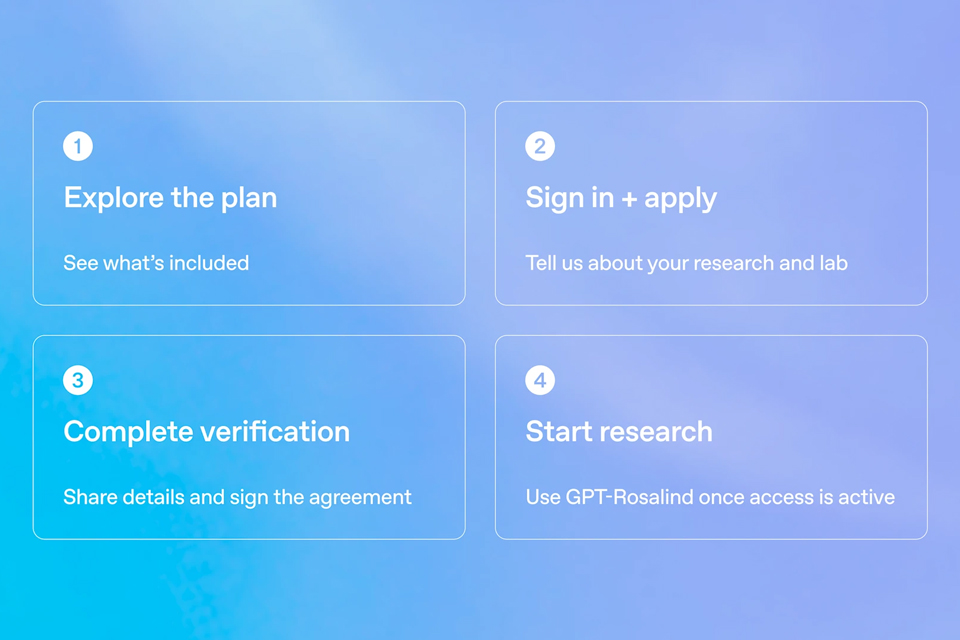
On October 15, OpenAI announced the Rosalind Academic Plan, giving approved US university labs free access to…
A Qiita article compared automated red-teaming methods for LLM apps — GCG, PAIR, and TAP — using mock implemen…

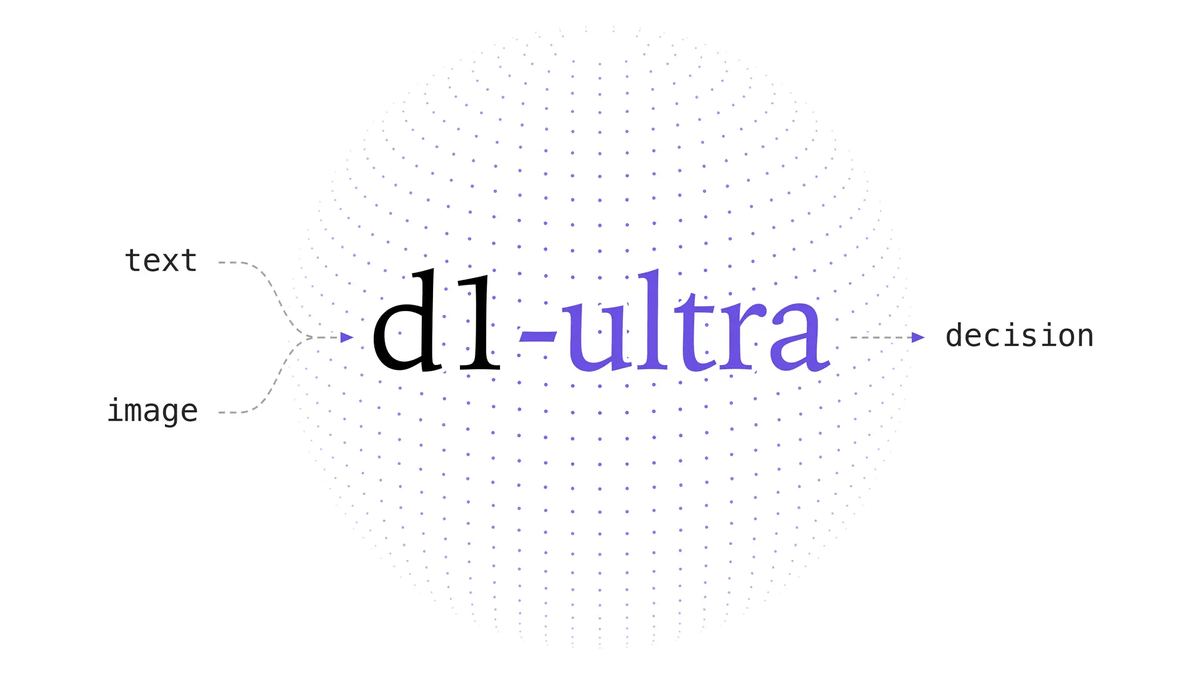
Liquid AI released d1-ultra on October 15, 2026, an upgraded open-weights decision model that averaged 76.7 ac…
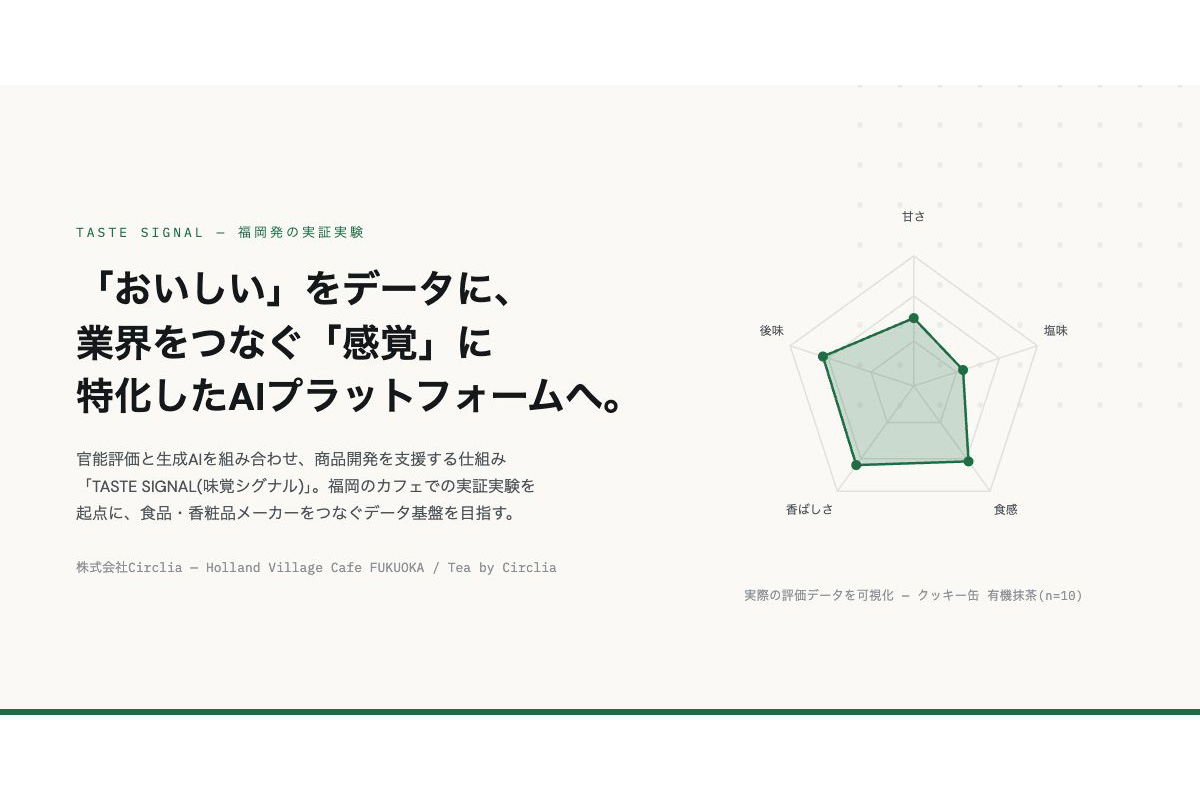
Circlia started a proof-of-concept for TASTE SIGNAL: visitors to Holland Village Cafe FUKUOKA taste cookies an…
In a webinar hosted by French Mathematical Society president Isabelle Gallagher, Fields Medal winner Hugo Dumi…

