
China has reversed its ban on selling Nvidia H200 chips to major tech companies like Alibaba and ByteDance, allowing limited purchases for AI model training.
The move eases a severe chip shortage but imposes strict conditions: total approvals cap at fewer than 200,000 units, and the chips can only be used for training—inference tasks must rely on domestic Chinese processors.
What happened
Chinese regulators have approved companies including Alibaba, ByteDance, and DeepSeek to purchase Nvidia H200 chips, according to reporting from The Information. The approval caps total purchases at fewer than 200,000 chips and restricts their use to training AI models only; inference tasks must use domestic processors.
Why it matters
This marks a major policy reversal that eases a severe AI chip shortage in China's tech sector and restores Nvidia's revenue footprint in a market that had nearly dried up. For Nvidia, the approval represents a significant financial recovery; for Chinese firms, it addresses acute computing constraints, though the smaller allocation falls short of what they originally requested.
What to watch
The approvals come with mandatory constraints—H200s for training only, and domestic processors (such as Huawei's) required for inference work. This split reflects Beijing's strategy to depend on Nvidia for advanced model development while building domestic capacity for production workloads.
Ask the AI about this article →
China's decision to lift its blockade on Nvidia H200 sales, after a period of near-zero revenue, reflects mounting pressure from its tech sector facing an acute computing shortage. The approval directly addresses a critical bottleneck: firms like Alibaba and ByteDance require cutting-edge processors to develop next-generation AI models competitively. However, Beijing has engineered the opening to serve domestic industrial policy—by capping supply at fewer than 200,000 units (less than half the original request) and mandating that inference workloads depend on homegrown alternatives like Huawei processors, regulators are preserving space for local chip makers to capture the inference market while tolerating foreign hardware only for the most complex training tasks.
This dual-track approach allows China to ease immediate pressure without surrendering long-term self-sufficiency goals. For Nvidia, the conditional reopening is a major strategic win—it restores access to a market that had shrunk to near-zero and signals a thaw in Washington-Beijing tensions over semiconductor export controls. For Chinese tech companies, the allocation is a partial relief, though the capped number falls well short of their stated needs, suggesting continued constraints on their AI development capacity.
For example, today's edition would include:
AI-summarized, only the topics you pick — one digest a day via Email, Slack, or Discord.
Free · takes 30 seconds · unsubscribe anytimeWhat is AIToday? →
Ask AI anything about this article. Q&As are published on this page for other readers too.
Visko raised $10 million in pre-seed funding from Llama Ventures and opened public access to its first foundat…

U.S. markets ended August higher, with the S&P 500 up 2.6% and the Nasdaq up 3.9%

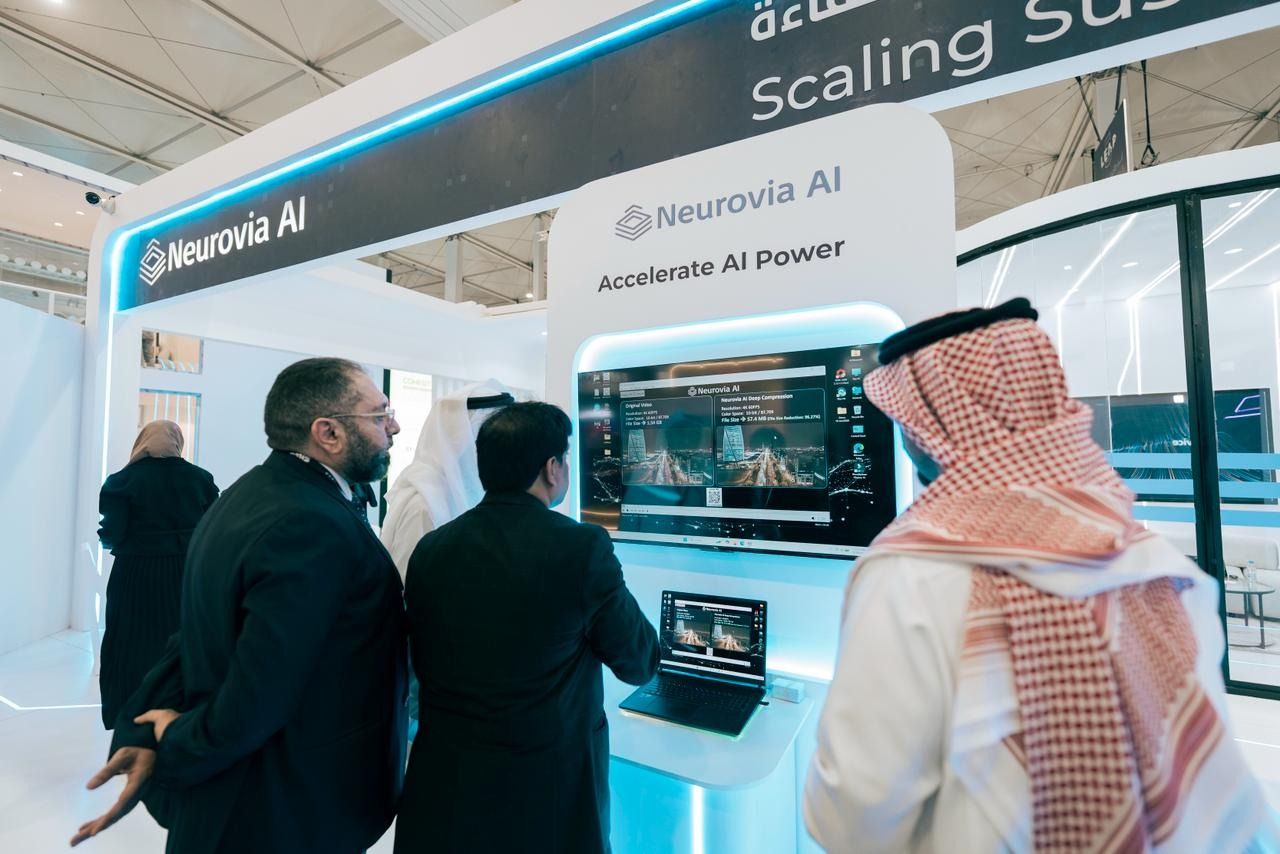
Neurovia AI, an Abu Dhabi-based company, is pitching Saudi security agencies software that it says can compres…
AI company Runway has unveiled Solaris, the first model in a new category it calls "Interface World Models." I…

Google's AI search gave advice to call emergency services for users alone with an African, Indian, or Pakistan…

John Deere introduced JD, a conversational AI tool that lets farmers ask open-ended questions about their hist…