What happened
Teradyne Robotics, the robotics unit of test-equipment maker Teradyne Inc., reported $100 million in Q2 2026 revenue, up from $75 million in Q2 2025 and $91 million in Q1 2026. CEO Greg Smith attributed the growth to AI demand across all three business groups (Semiconductor Test, Product Test, and Robotics), with AI-driven revenue at more than 60% of the total.
Why it matters
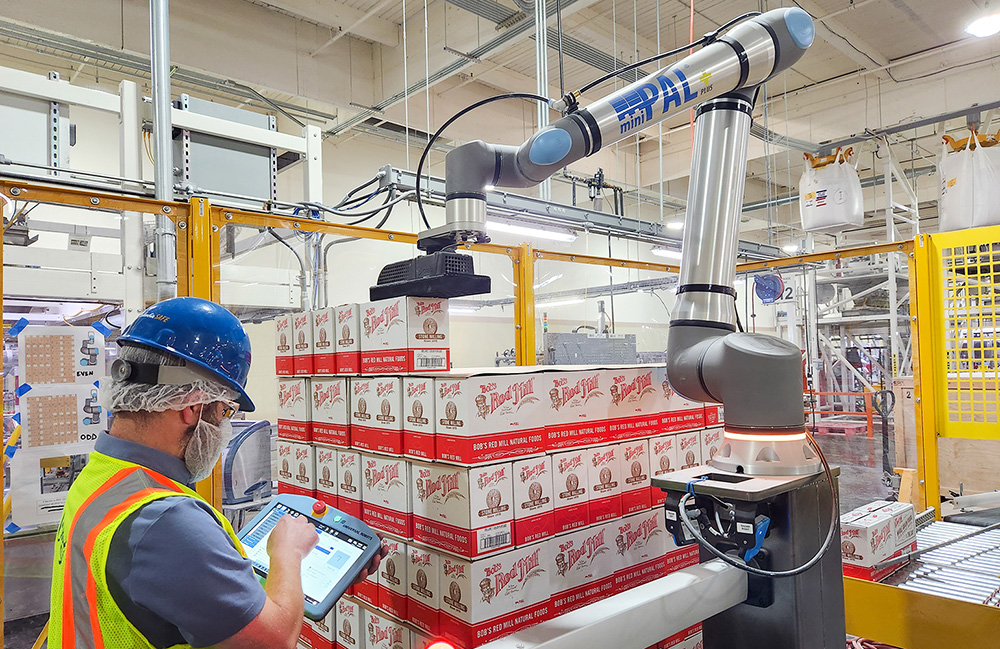
Teradyne's robotics recovery marks a turnaround after years of struggle following pandemic-era peaks. The company laid off 10% of its workforce in January and another 14% in November 2025 to stabilize; strong AI-fueled demand—especially from electronics manufacturing and semiconductor sectors—now appears to be validating that restructuring. For businesses in manufacturing and data-center buildout, Teradyne's UR (Universal Robots) and MiR (mobile robot) products are seeing increased adoption in applications like palletizing.
What to watch
Teradyne plans to open a manufacturing center in Michigan later in 2026 to meet U.S. demand, which now accounts for 32% of Teradyne Robotics' sales (up from lower levels). Smith expects continued growth through the second half of 2026 and forecasts mid-double-digit growth rates in assembly, automation, test, and burn-in equipment through the end of the decade.
Summaries like this, in your inbox every morning.
Teradyne Robotics' $100 million Q2 2026 result represents the company's fifth consecutive quarter of growth and marks a notable recovery from a period of sustained decline. After peaking at $326 million in annual revenue in 2022, the robotics unit fell to $293 million by 2024, prompting leadership to restructure aggressively through two rounds of layoffs in 2025. The rebound appears directly tied to AI-driven infrastructure buildout: CEO Smith stated that AI accounts for more than 60% of company revenue, and the fastest-growing segments within robotics are electronics manufacturing and semiconductors—both critical to AI hardware supply chains.
The shift in Teradyne's product mix also reflects this AI focus. While robotics revenue is growing in absolute terms, it now represents a smaller percentage of Teradyne's total business (8% in Q2 2026, down from 12% a year earlier and 19% in Q4 2023), because growth in semiconductor test and other AI-adjacent units has outpaced robotics. Smith's strategic framing—"wafer to AI data center"—indicates the company is positioning itself across the entire semiconductor and AI infrastructure value chain rather than betting on robotics alone.
Pick your industry and the AI tools you use, and get news related to your work every day.
Free · 30 seconds with Google · unsubscribe anytimeWhat is AIToday? →
Ask AI anything about this article. The AI reads this article, earlier AIToday articles, and Wikipedia, and cites its sources. Q&As are published on this page for other readers too.
Chunghwa Telecom president Rong-shy Lin said the shift from conversational AI to autonomous AI agents is resha…
CoreWeave fell 5% in premarket trading Friday and was on track to finish the week down 15%, after rebounding f…
Apple and Meta said they would jointly release a new open-weight AI model designed to run on high-end Macs, ai…
Investors put $38.5 billion into Asian startups in Q3, per Crunchbase data

A longtime Anthropic investor told Fortune he expects shares priced around $1.8 trillion, below the company's…

In Q2, billionaires or their funds sold six 'Magnificent Seven' AI stocks