What happened
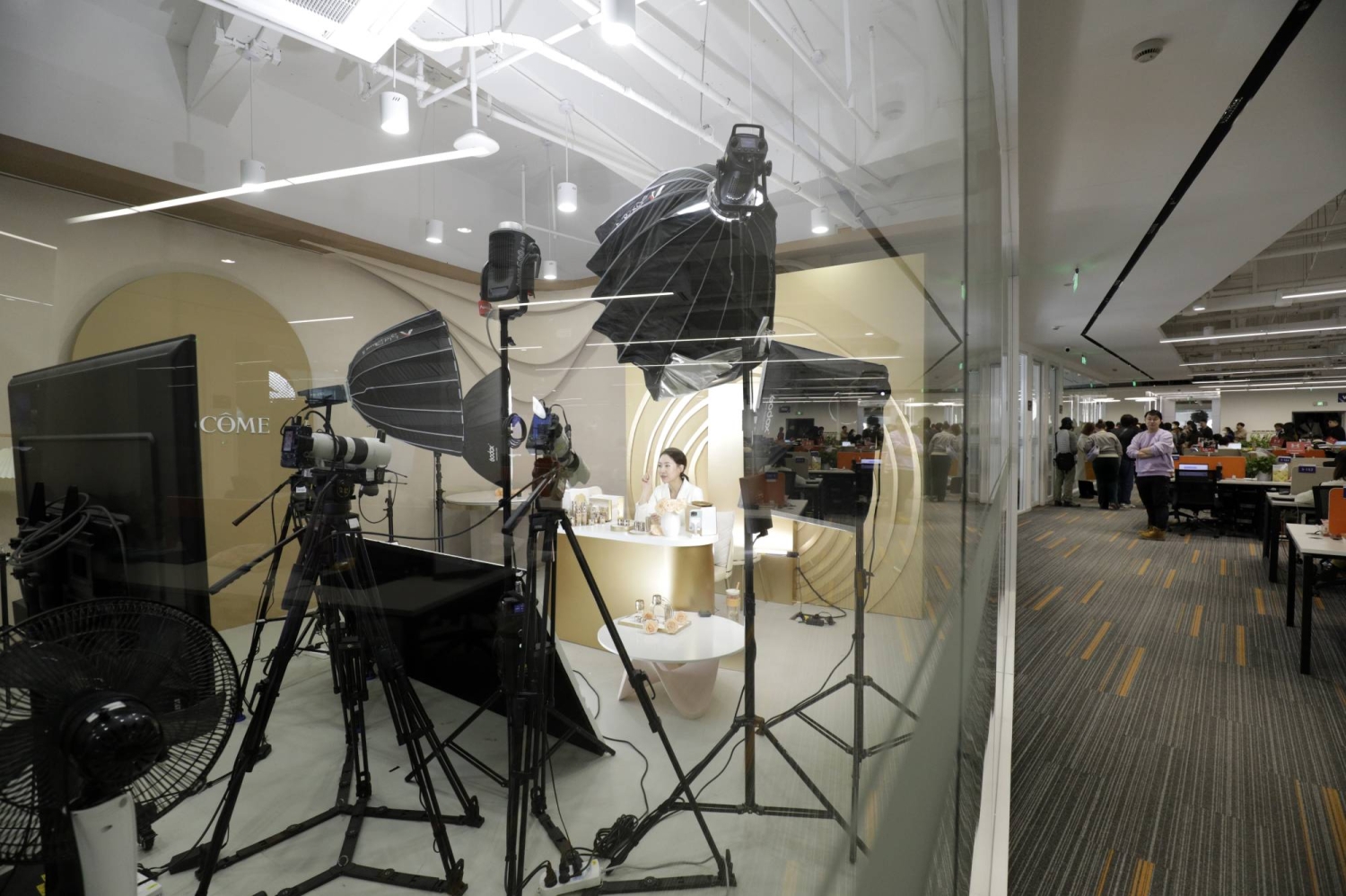
Yatsen Holding, a Chinese beauty company, used artificial intelligence to compress a product development cycle from more than two years into six months for a new PDRN serum launched around China's Singles' Day shopping festival last fall. AI helped researchers narrow more than 50 ingredient candidates to three in a single week.
Why it matters
Chinese beauty companies are using AI across the entire product pipeline—analyzing millions of social media posts to spot trends, identifying new cosmetic ingredients through biotech partnerships, and accelerating time-to-market. This speed advantage helps local firms close an innovation gap and respond faster to consumer demand.
What to watch
The pace of product launches from Chinese beauty companies may increase as AI-driven workflows become standard. The ability to reduce development cycles from years to months could reshape how quickly new formulations reach shelves across the region.
Summaries like this, in your inbox every morning.
Yatsen's acceleration of its serum development represents a broader shift in how Chinese beauty companies are adopting artificial intelligence to compete domestically and internationally. The company's ability to compress a traditionally two-year cycle into six months—and to filter 50 ingredient candidates to three in a single week—demonstrates how AI can remove bottlenecks at multiple stages of R&D. This is not merely a speed gain; it signals a structural change in how product innovation works. By automating candidate screening and trend analysis through social media mining, Chinese firms are reducing the time between consumer signal and product availability, which may allow them to capitalize on emerging preferences faster than competitors using traditional development methods. The involvement of biotechnology partners suggests that AI is not replacing human expertise but rather augmenting it—freeing researchers to focus on validation and refinement rather than manual sifting. For the Chinese beauty market, where consumer preferences shift rapidly and social commerce (livestreaming and digital retail) amplifies the visibility of new launches, this speed advantage may compound into a meaningful competitive edge.
Pick your industry and the AI tools you use, and get news related to your work every day.
Free · 30 seconds with Google · unsubscribe anytimeWhat is AIToday? →
Ask AI anything about this article. The AI reads this article, earlier AIToday articles, and Wikipedia, and cites its sources. Q&As are published on this page for other readers too.
Chunghwa Telecom president Rong-shy Lin said the shift from conversational AI to autonomous AI agents is resha…
CoreWeave fell 5% in premarket trading Friday and was on track to finish the week down 15%, after rebounding f…
Apple and Meta said they would jointly release a new open-weight AI model designed to run on high-end Macs, ai…

Investors put $38.5 billion into Asian startups in Q3, per Crunchbase data

A longtime Anthropic investor told Fortune he expects shares priced around $1.8 trillion, below the company's…

In Q2, billionaires or their funds sold six 'Magnificent Seven' AI stocks