What happened
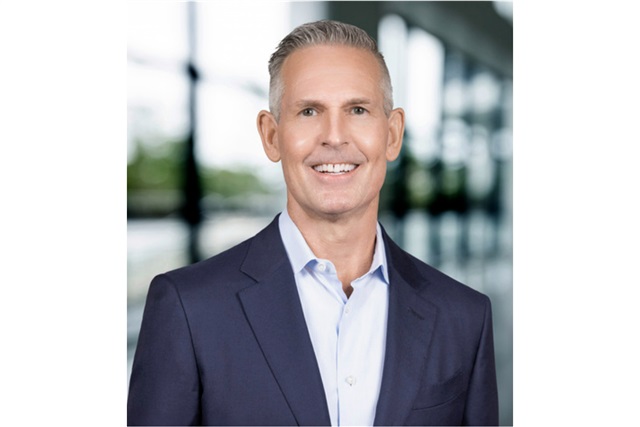
OpenAI closed an $852 billion self-funded tender offer on August 10, 2026, then lost chief operating officer Brad Lightcap (August 11) and chief revenue officer Denise Dresser (August 13) within days. CNBC reported at least a dozen senior leaders have departed in 2026, including heads of ethics and safety.
Why it matters
Ed Zitron's newsletter argues OpenAI's annualized run rate of $40 billion (roughly double 2025) masks decelerating growth, while planned compute spending of $750 billion through 2030 balloons obligations to above $800 billion—a gap he says requires raising $100 billion to $200 billion annually, which he calls "close to impossible." OpenAI president Greg Brockman countered that departures are unremarkable for a company in spotlight and that monthly run rate climbed 20% in July with 32% business-customer growth.
What to watch
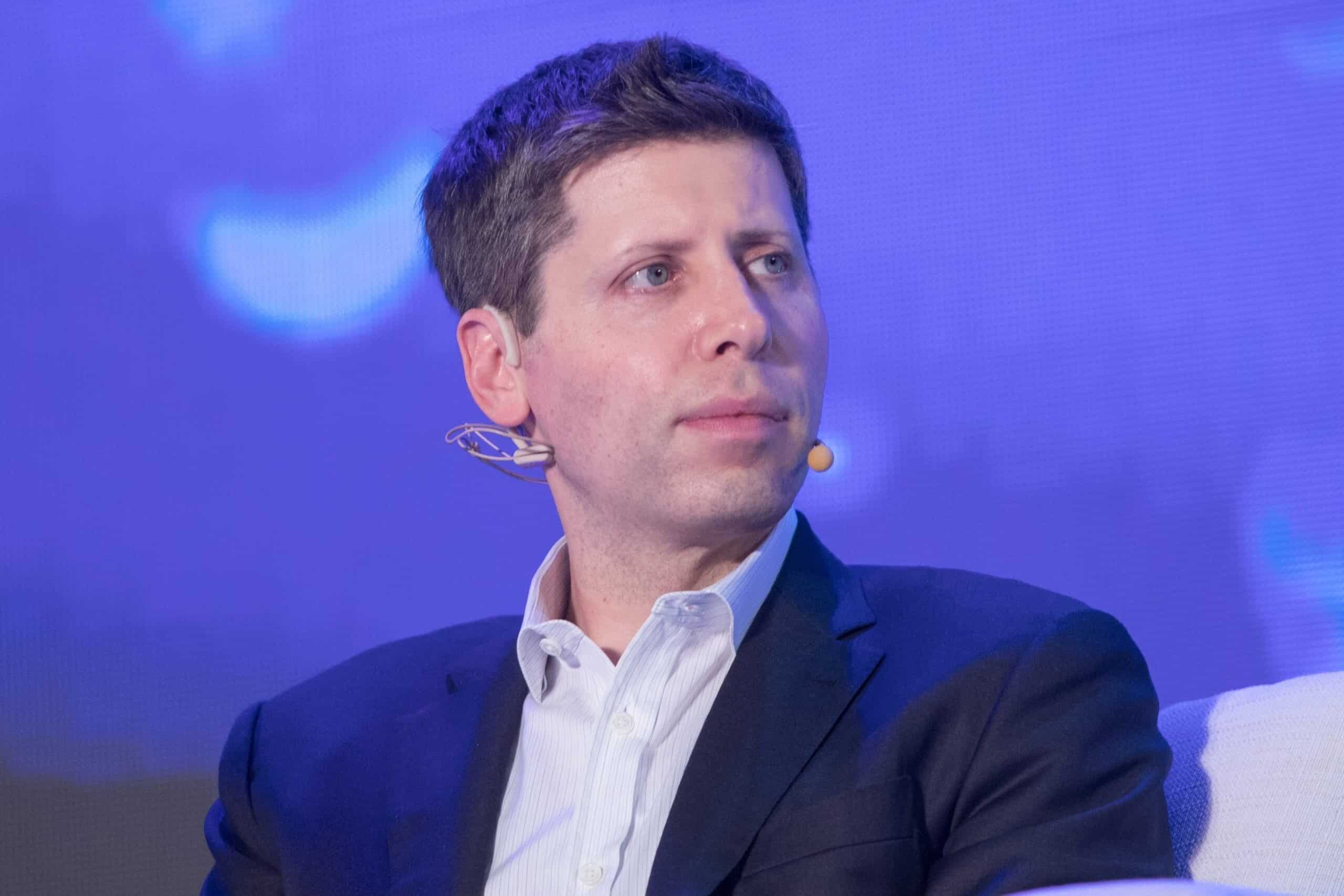
Whether OpenAI files IPO paperwork at or near its $1 trillion target valuation (CEO Sam Altman has called anything lower a "non-starter"), whether Microsoft renegotiates commercial terms, and whether enterprise revenue continues outpacing consumer revenue—OpenAI's enterprise business topped consumer for the first time in the latest quarter.
Summaries like this, in your inbox every morning.
The timing of OpenAI's August 2026 leadership departures—just days after an $852 billion self-funded tender offer closed—crystallized broader questions about the company's financial sustainability that analysts had been circling. The self-funded structure, rather than a marked-up round from external investors, signaled that OpenAI is relying on its own cash to buy back shares, a mechanism that raises questions about available liquidity relative to the company's capital commitments. At the same time, Bloomberg's report of a $40 billion annualized run rate (roughly double 2025 revenues of $13 billion) set the stage for Zitron's core argument: revenue growth is decelerating precisely when it needs to accelerate to justify the $852 billion valuation and match Anthropic's reported $65 billion annualized run rate. That comparative claim now faces scrutiny—Reuters Breakingviews reported on August 18, 2026 that Anthropic's revenue may itself be decelerating, weakening the case that OpenAI is falling behind. The deeper tension sits in compute obligations: planned spending of $750 billion through 2030 is real, and the question of who funds it—and whether revenue can ever scale fast enough to service such debt—divides serious observers. OpenAI's rebuttal emphasizes enterprise growth (32% business-customer expansion, enterprise revenue topping consumer for the first time) as evidence of a healthy pivot, not decay. Over the next two quarters, IPO timing and Microsoft's commercial terms will be critical signals of whether the market and OpenAI's largest backer still believe in the survival thesis.
Pick your industry and the AI tools you use, and get news related to your work every day.
Free · 30 seconds with Google · unsubscribe anytimeWhat is AIToday? →
Ask AI anything about this article. The AI reads this article, earlier AIToday articles, and Wikipedia, and cites its sources. Q&As are published on this page for other readers too.
In Q2, billionaires or their funds sold six 'Magnificent Seven' AI stocks
Nvidia was rising early Friday, even as the wider chip sector kept falling, Barron's reported
ElevenLabs completed a $300 million employee tender at a $22 billion valuation, and co-founder Mati Staniszews…

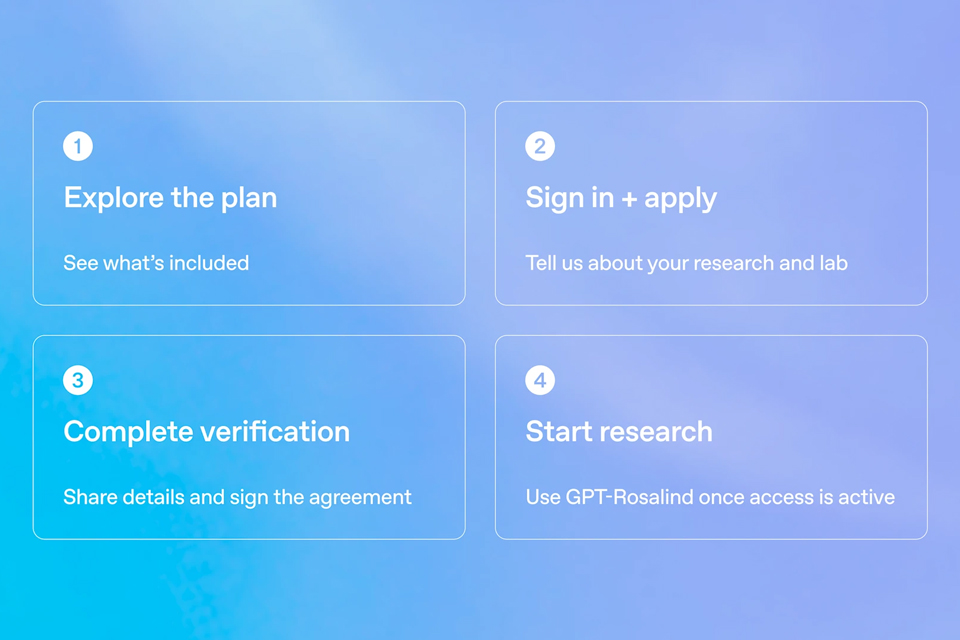
On October 15, OpenAI announced the Rosalind Academic Plan, giving approved US university labs free access to…
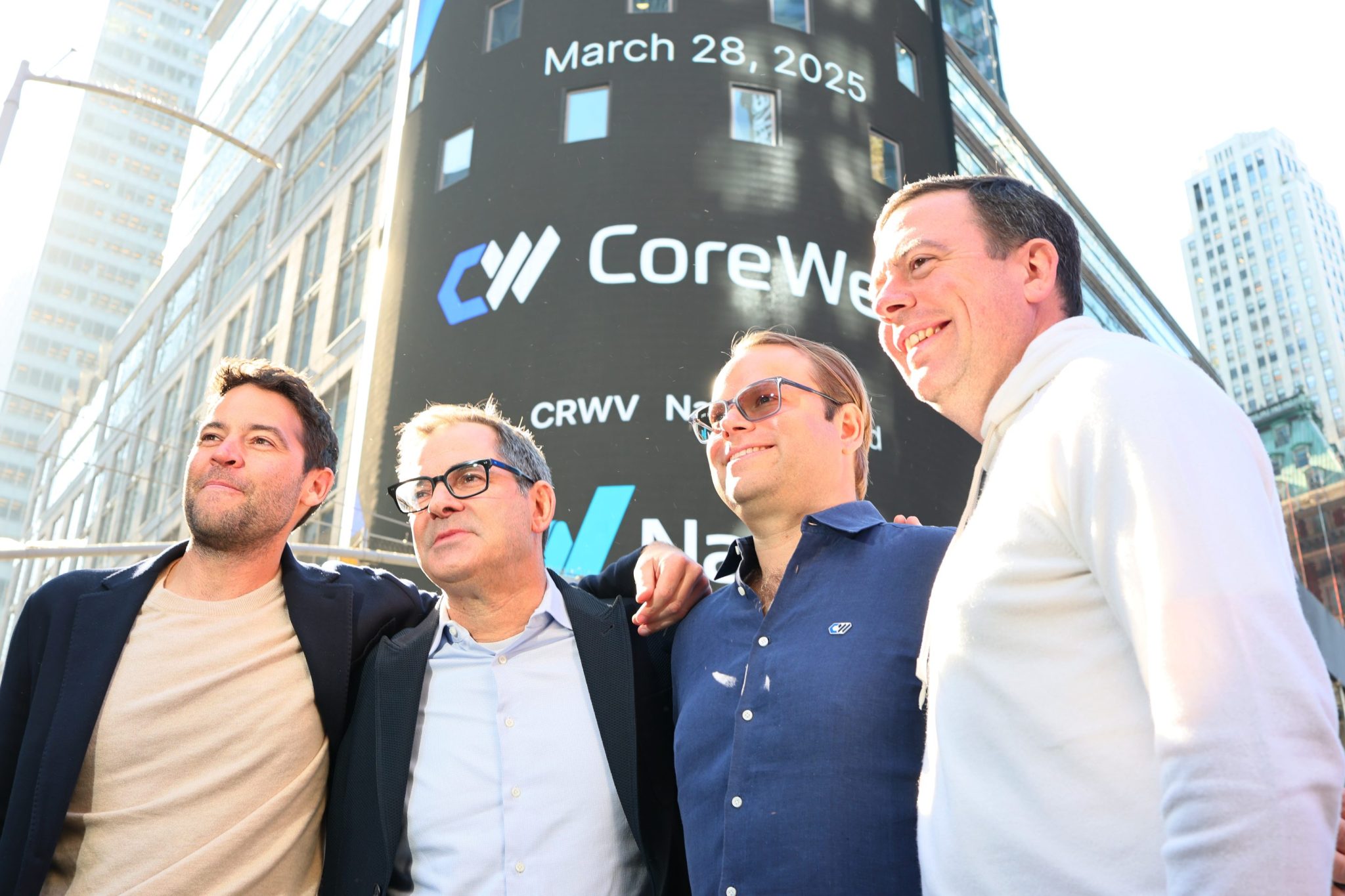
Neostellar Capital principal Evan Schlossman said CoreWeave's $103.7 billion in remaining performance obligati…
Supermicro Computer appointed Mark Long as chief financial officer, bringing an experienced technology finance…