
What happened
KLA has delivered 112.6% returns over the past year and 4.6x returns over 5 years, driven by AI-related demand for semiconductor process control equipment. The stock currently trades at a P/E multiple of about 49.8x, compared with a fair P/E estimate of around 42.1x and a semiconductor industry average of roughly 47.7x.
Why it matters
KLA passes 0 of 6 valuation checks, meaning broader assessments of earnings, cash flows, and assets point to a stock trading at a premium rather than a discount. On the P/E measure, the stock currently appears overvalued compared with the fair ratio implied by its earnings profile and industry context.
What to watch
The core debate centers on whether KLA can deliver the revenue and margin outcomes implied by current pricing, or whether the multiple will cool if expectations around AI and wafer fab spending ease. Trade tensions and export controls are also cited as structural risks limiting access to the Chinese semiconductor market.
Summaries like this, in your inbox every morning.
KLA's valuation puzzle reflects a tension between its strong fundamental position and stretched market pricing. The company has benefited from the AI-driven surge in semiconductor equipment demand, translating into exceptional shareholder returns—4.6x over five years and 112.6% over the past year alone. Yet this performance has pulled the stock's valuation well ahead of traditional benchmarks and the company's own earnings profile. The P/E multiple of 49.8x, while only marginally above the semiconductor industry average of 47.7x, exceeds the model's fair-value estimate of 42.1x by a meaningful margin, suggesting that current pricing already embeds optimistic expectations about future growth and margins.
The real question is whether those expectations are realistic. The bull case rests on sustained tailwinds from AI and advanced-node production, which would justify a structural increase in process control spending intensity. The bear case highlights geopolitical risk—specifically US-China trade tensions and export controls—that could curtail KLA's access to the lucrative Chinese fab market and dampen the long-term demand story. With the stock passing zero of six valuation checks, the investment case now hinges entirely on execution of the AI narrative and the absence of a major pullback in wafer fab capacity spending.
Pick your industry and the AI tools you use, and get news related to your work every day.
Free · 30 seconds with Google · unsubscribe anytimeWhat is AIToday? →
Ask AI anything about this article. The AI reads this article, earlier AIToday articles, and Wikipedia, and cites its sources. Q&As are published on this page for other readers too.
In Q2, billionaires or their funds sold six 'Magnificent Seven' AI stocks
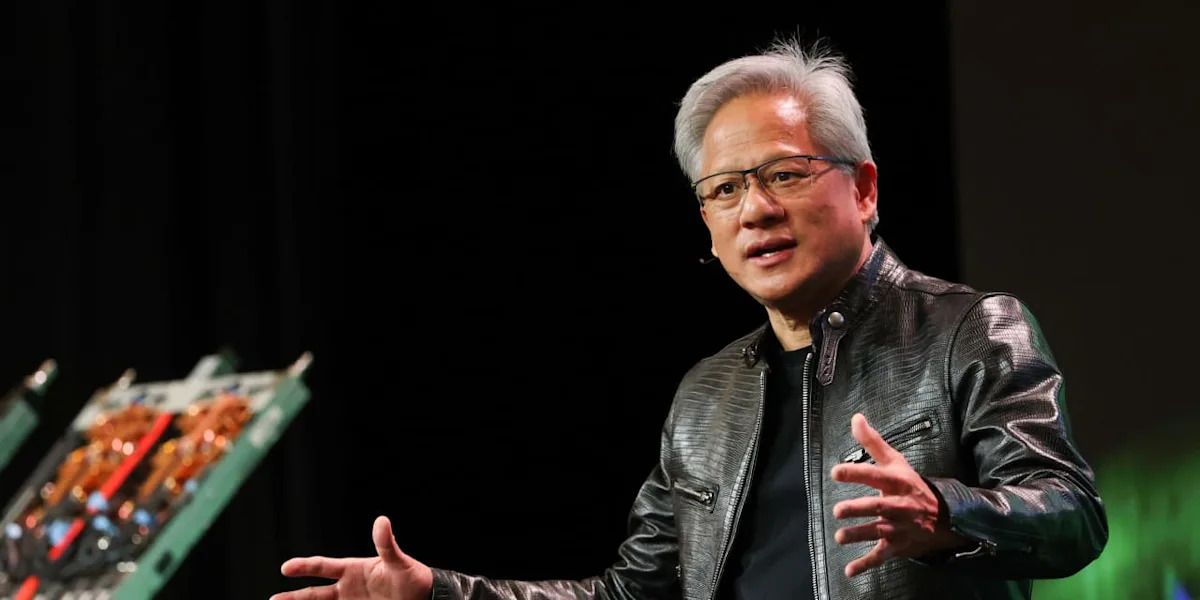
Nvidia was rising early Friday, even as the wider chip sector kept falling, Barron's reported
ElevenLabs completed a $300 million employee tender at a $22 billion valuation, and co-founder Mati Staniszews…

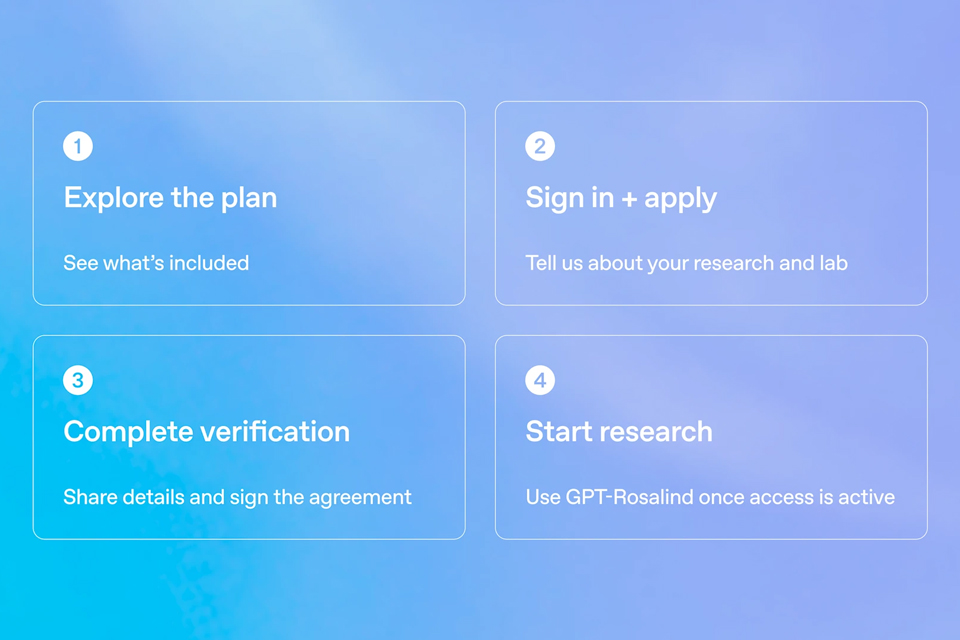
On October 15, OpenAI announced the Rosalind Academic Plan, giving approved US university labs free access to…
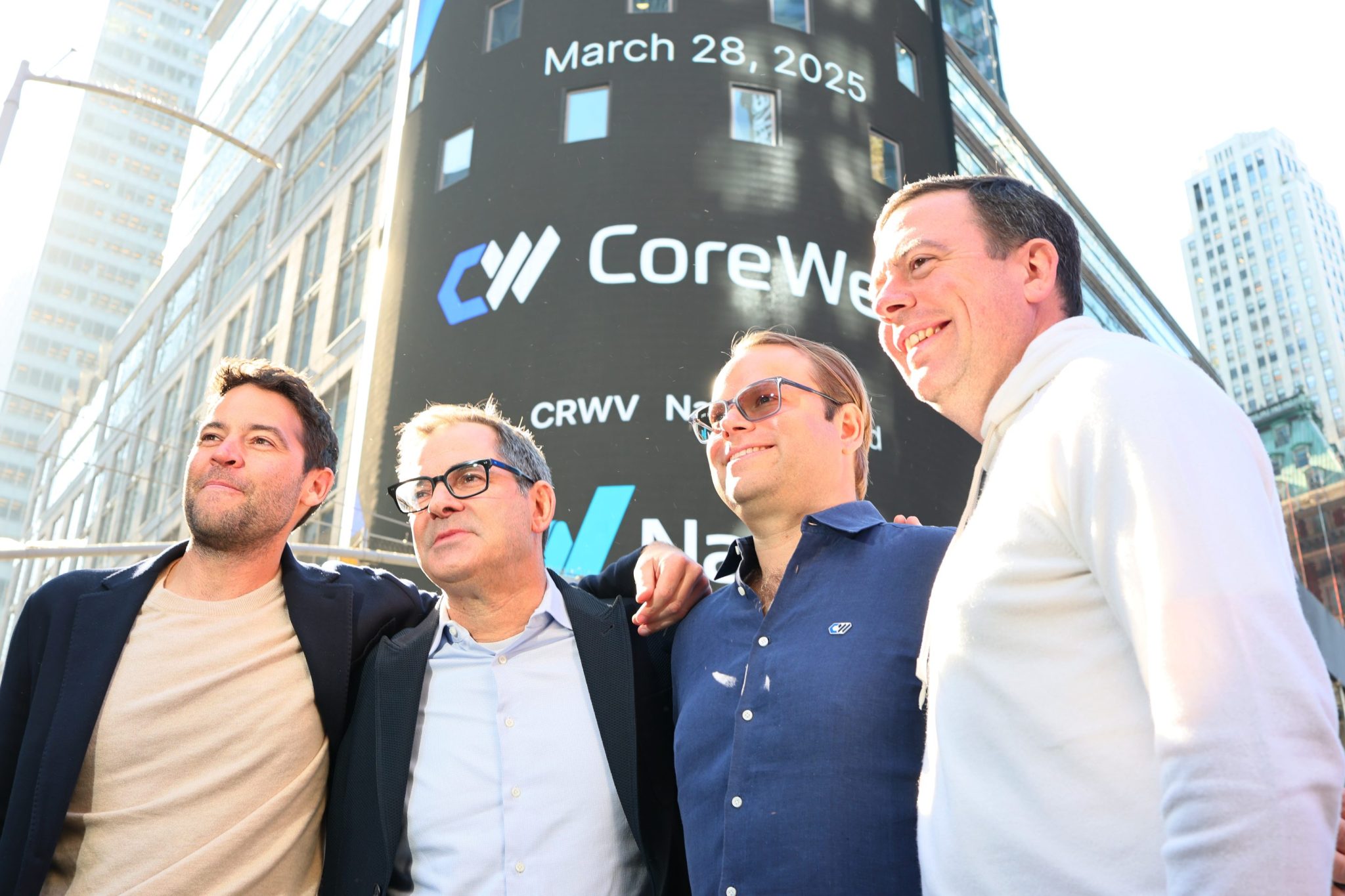
Neostellar Capital principal Evan Schlossman said CoreWeave's $103.7 billion in remaining performance obligati…
Supermicro Computer appointed Mark Long as chief financial officer, bringing an experienced technology finance…