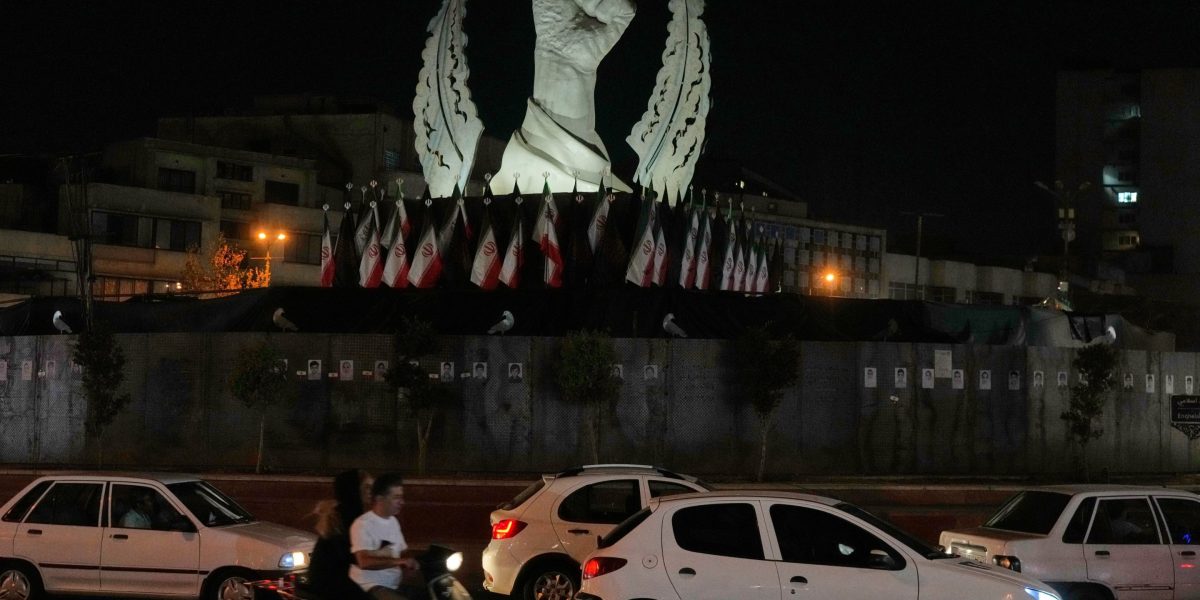
The United States launched its ninth straight night of airstrikes on Iran on Monday, targeting military command centers and weapons infrastructure, while Iran retaliated by striking American allies Kuwait, Jordan, and Bahrain. The escalation has shattered an interim ceasefire agreed last month and is severely disrupting global oil shipments through the Strait of Hormuz and the Red Sea, pushing Brent crude above $88 a barrel and U.S. gasoline to an average of $4 a gallon. Pakistan is attempting diplomatic mediation as Iran's Interior Minister traveled to Islamabad for talks, though U.S. officials say meaningful negotiations have not yet materialized.
Summaries like this, in your inbox every morning.
Sign up free →What happened
The U.S. military launched its ninth consecutive night of airstrikes targeting Iranian military command centers, air defense sites, missile and drone launch sites, and communications networks. Iran responded by attacking American allies Kuwait, Jordan, and Bahrain. The U.S. military also confirmed the death of another American service member in Iraq on Saturday during a controlled detonation of a downed Iranian drone.
Why it matters
An interim ceasefire deal signed last month has collapsed, and the escalation is disrupting global energy markets. Shipping through the Strait of Hormuz—which carried one-fifth of world oil supplies before the war—has largely stalled, while Iran-backed Houthi rebels in Yemen announced a maritime embargo against Saudi Arabia in the Red Sea, an alternate oil export route. Brent crude traded above $88 a barrel on Monday, and regular U.S. gasoline reached an average of $4 a gallon, pressuring American consumers ahead of midterm elections this fall.
What to watch
Pakistan is attempting to revive diplomacy; Iran's Interior Minister arrived in Islamabad on Monday for two days of talks with Pakistan's Prime Minister. U.S. Secretary of State Marco Rubio said the U.S. remains open to negotiating with Iran if "the guys that want to do something productive for Iran win and take control of that system." Iranian authorities reported at least 50 people killed and 517 wounded in the latest U.S. strikes, and 17 U.S. service members have been killed since the war began on February 28.
The United States launched its ninth consecutive night of airstrikes against Iran on Monday after announcing the death of another American service member. According to the U.S. military's Central Command, the strikes targeted Iranian military command centers, air defense and coastal surveillance sites, maritime capabilities, missile and drone launch sites, and communications networks. Iran's state-run IRNA news agency reported that the American strikes killed at least one person near Tabriz, a northwestern city about 520 kilometers (325 miles) from Tehran, which is believed to host underground missile bases run by Iran's paramilitary Revolutionary Guard. The strikes likely also hit Bandar Imam Khomeini in Khuzestan province, Sirik and Jask in Hormozgan province, and Konarak and Chahbahar in Sistan and Baluchistan province.
In response, Iran launched attacks across the Persian Gulf region. Kuwait said its air defenses fired at an incoming barrage, while Jordan's armed forces said Monday evening they had shot down three Iranian missiles, reporting no material damage or casualties. Bahrain's Foreign Ministry condemned Iranian drone strikes targeting the country's air traffic systems, saying they endanger civilian travel. The U.S. military also confirmed the death of another American service member in Iraq on Saturday during a controlled detonation of a downed Iranian drone, and identified two soldiers killed in Jordan in earlier attacks, with a third person reported missing. President Donald Trump warned on social media that every time Iran kills an American soldier, "they will pay for that killing many times over." Trump was planning to attend a ceremony on Tuesday evening at Dover Air Force Base, where at least one service member's remains were due to arrive.
The maritime situation has deteriorated sharply. The British military's United Kingdom Maritime Trade Operations center reported that a second ship had been attacked in the Strait of Hormuz, this one off the coast of the United Arab Emirates, while another vessel caught fire after being hit by a projectile near the coastline of Oman. The crew abandoned the vessel, which remained adrift and ablaze hours later. The route around Oman, which the U.S. military has encouraged ships to travel to avoid Iranian control, has become a focus of Iran's Revolutionary Guard, which claimed it was targeting tankers in the strait. A new pressure point emerged when Yemen's Houthi rebels announced on Monday a maritime embargo against Saudi Arabia, saying they would block shipping between the Red Sea and the Gulf of Aden in response to an attack on Sanaa International Airport blamed on Saudi Arabia. The Houthis previously demonstrated their ability to disrupt Red Sea shipping when they targeted over 100 vessels for months during the Israel-Hamas war in Gaza.
The diplomatic situation offers a potential opening despite the military escalation. Pakistan has intensified efforts to resuscitate the interim ceasefire reached last month. Iranian Interior Minister Eskandar Momeni arrived in Islamabad on Monday for two days of talks with Prime Minister Shehbaz Sharif and others. Pakistani Interior Minister Mohsin Naqvi expressed optimism, stating "God willing, We will have good news." On Sunday, U.S. Secretary of State Marco Rubio told reporters that the U.S. remains open to negotiating with Iran but that it "has to be real," adding that a positive development would occur if those wanting to do something productive for Iran "win and take control of that system, or take control of the negotiations." However, Rubio acknowledged that "that's not where we are tonight, unfortunately." The escalation has already taken a heavy toll: Iranian authorities reported at least 50 people killed and 517 wounded in the latest U.S. strikes, and since the war began on February 28, 17 U.S. service members have been killed. The disruption to global energy markets—with Brent crude trading above $88 a barrel and U.S. gasoline reaching an average of $4 a gallon—adds economic pressure to the military and diplomatic dimensions of the conflict.
The conflict between the U.S. and Iran has rapidly escalated following the collapse of an interim ceasefire agreed last month. The body details that the truce, which was supposed to resolve remaining issues within 60 days, unraveled after both sides resumed attacks on military installations and other infrastructure. The U.S. response—nine consecutive nights of airstrikes targeting Iranian military infrastructure—represents a significant intensification, with recent strikes focusing on command centers, air defense systems, and coastal surveillance sites across multiple Iranian provinces including Tabriz, Khuzestan, and Sistan and Baluchistan.
The strategic chokepoints for global energy supply are now under acute pressure. The Strait of Hormuz, through which one-fifth of world oil supplies were shipped before the war, has experienced significant disruption, while a new threat has emerged from Yemen's Houthi rebels, who announced on Monday a maritime embargo against Saudi Arabia in the Red Sea—the alternate route Saudi Arabia has relied on since the Strait became contested. These shipping disruptions have already pushed Brent crude above $88 a barrel and U.S. gasoline to an average of $4 a gallon, directly affecting American consumers before midterm elections this fall.
Despite the military escalation, Pakistan is attempting to salvage diplomatic channels. The arrival of Iran's Interior Minister in Islamabad on Monday for talks with Pakistan's Prime Minister, coupled with U.S. Secretary of State Marco Rubio's conditional openness to negotiations, suggests both sides retain some diplomatic options, though Rubio's remark that "that's not where we are tonight, unfortunately" underscores the current distance between the parties. The body notes that at least 50 people have been killed and 517 wounded in the latest U.S. strikes, and 17 U.S. service members have died since fighting began on February 28.
AI-summarized, only the topics you pick — one digest a day via Email, Slack, or Discord.
Free · takes 30 seconds · unsubscribe anytime
No discussion yet for this article
Get curated AI news from 200+ sources delivered daily to your inbox. Free to use.
Get Started FreeFree · takes 30 seconds · unsubscribe anytime
1 minute a day. The AI essentials.
200+ sources · Email / LINE / Slack

