OpenAI is launching an optional safety feature that allows adult ChatGPT users to designate a 'Trusted Contact'—a fellow adult (18+ globally or 19+ in South Korea)—who will be notified if OpenAI detects discussion of self-harm or suicide.
The notification is 'intentionally limited' and does not share chat details or transcripts. If automated systems detect self-harm discussion, ChatGPT encourages the user to reach out to their contact, and a 'small team of specially trained people' reviews the situation before sending a brief email, text message, or in-app notification to the Trusted Contact if serious safety concerns are confirmed.
The feature is opt-in; users can enable it in account settings, and both the user and Trusted Contact can remove or edit the designation at any time. The Trusted Contact must accept the invitation within a week of receiving the request.
This builds on an emergency contact feature introduced in September alongside ChatGPT's parental controls, following a 16-year-old's death after confiding in ChatGPT for months.
Ask the AI about this article →
For example, today's edition would include:
AI-summarized, only the topics you pick — one digest a day via Email, Slack, or Discord.
Free · takes 30 seconds · unsubscribe anytimeWhat is AIToday? →
Ask AI anything about this article. Q&As are published on this page for other readers too.
CrowdStrike Holdings Inc

ASE Technology CEO and SEMI Global Board Executive Committee Chair Tien Wu said AI's early-stage growth is cre…

Fervo Energy signed a deal to supply 396 MW of electricity from its Cape Station project in Utah to a Google d…

Nvidia co-announced with Vertiv in August that it is making progress on 800-volt power infrastructure for its…

John Ternus takes over as CEO of Apple today, stepping into the role as the company confronts the AI era

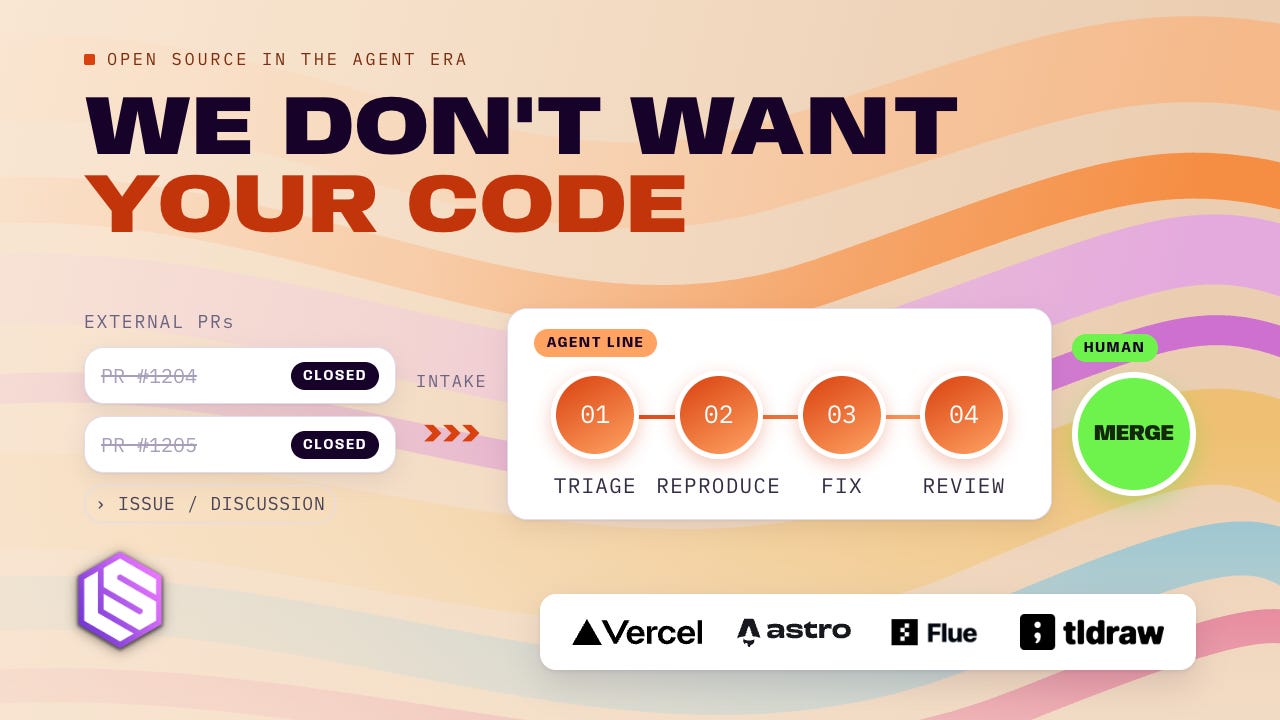
Top AI-native open source projects like Flue and tldraw are refusing external pull requests, often because the…