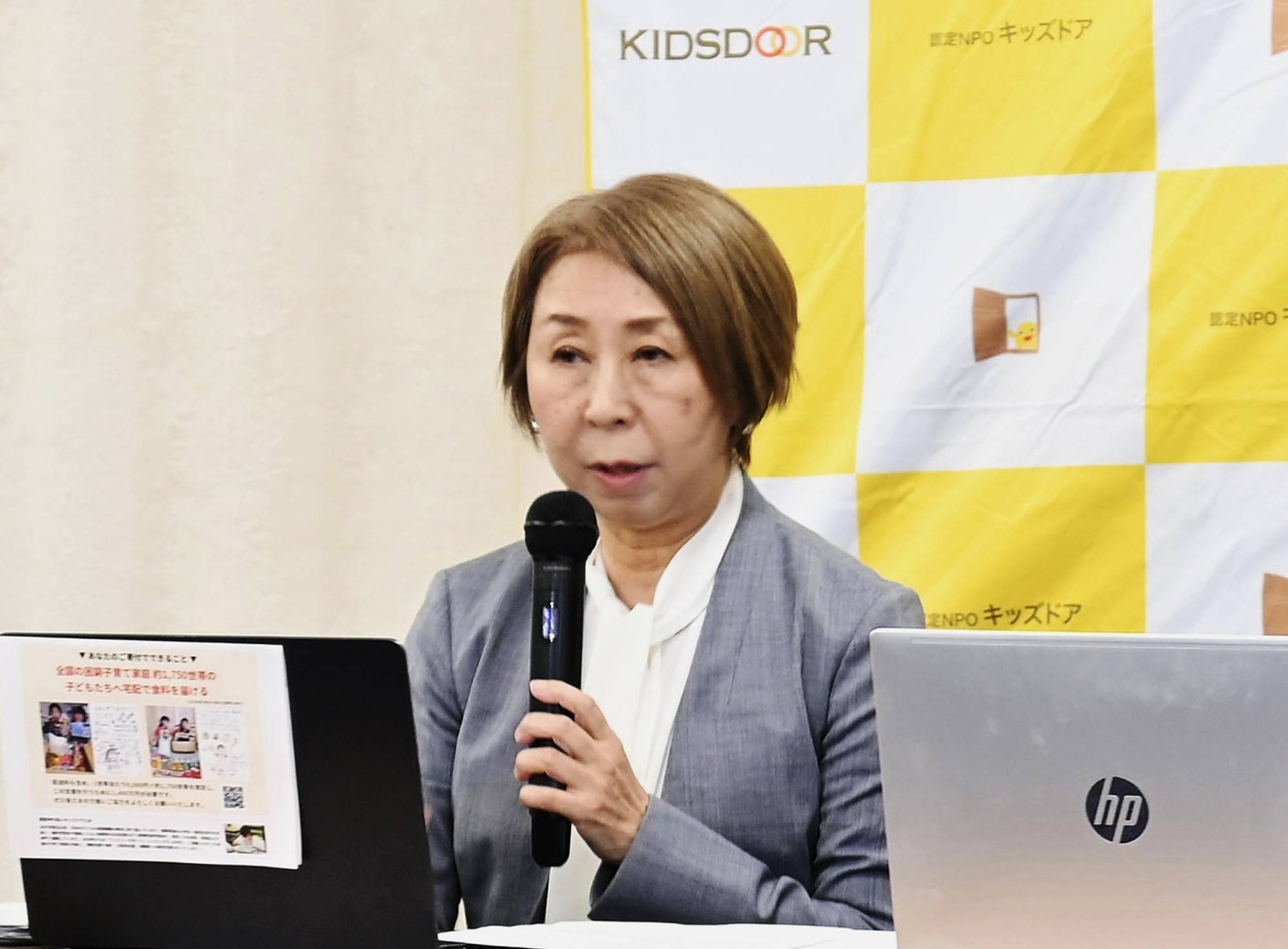
What happened
A survey by nonprofit Kidsdoor of 1,449 low-income households (over 90% single-parent families) found that 64% of families with elementary or junior high school children said the loss of school lunches during summer vacation would force them to reduce food amounts per meal. About 38% planned to significantly restrict air conditioning use despite extreme summer temperatures, and 6% said they would hardly use it at all.
Why it matters
Before summer break, food insecurity was already widespread—57% of respondents had days when their children could not eat enough, and 19% said this happened almost every day. In households earning below ¥1 million ($6,154) annually, 31% said children were unable to eat enough almost every day, with over 30% reporting their children were thinner or shorter than peers. Parents reported their children experienced irritability, restlessness, frequent illness, anemia, and poor health as a result.
What to watch
Kidsdoor called for targeted cash and food support for households earning less than ¥1 million, as well as access to meals and air-conditioned public facilities during school closures. Additionally, 44% of parents said they always or often feel extremely depressed when thinking about summer vacation, and half of those parents have no one to consult about their concerns.
Summaries like this, in your inbox every morning.
Japan's low-income families face a severe squeeze during school summer breaks, when the loss of school-provided lunches intersects with already-precarious household finances and extreme summer heat. The survey reveals a cascading crisis: food insecurity was not a summer phenomenon alone but an ongoing reality for more than half of respondent households before the break even began. The most economically vulnerable—those earning below ¥1 million ($6,154) annually—are hit hardest, with nearly a third unable to feed their children adequately on almost every day, a situation that translates directly into stunted physical development and compromised health.
The survey also exposes a mental health toll on parents, with 44% reporting extreme depression when thinking about summer vacation and half of those having no one to turn to for support. The decision to restrict air conditioning despite extreme heat adds a public health dimension to the economic crisis: these families are weighing cooling costs against food budgets in a climate context where heat-related illness poses genuine risk. Kidsdoor's call for targeted support—cash transfers, food programs, and access to cooled public spaces—frames the issue not as a summer anomaly but as a signal of systemic inadequacy in the social safety net for single-parent and low-income households.
For example, today's edition would include:
AI-summarized, only the topics you pick — one digest a day via Email, LINE, or Slack.
Free · 30 seconds with Google · unsubscribe anytimeWhat is AIToday? →
Ask AI anything about this article. Q&As are published on this page for other readers too.

