What happened
OpenAI says its GPT-6 family designed protein structures and sequences using only reasoning and coding tools, and lab tests with Onava found binding hits for all five targets.
Why it matters
If general-purpose models can handle work that previously required specialized biology software, protein design could become more accessible to researchers without deep modeling expertise, though OpenAI notes it still used specialized models to filter candidates.
WHO IT HITSDrug-discovery and protein-engineering researchers stand to gain a more flexible design tool that accepts natural-language instructions, though they would still likely rely on specialized models for sequence generation and candidate filtering.
Summaries like this, every morning.
OpenAI's preprint frames the work as a step toward general-purpose models that can handle tasks previously split across specialized tools. Protein design has typically required coordinating multiple models, each with its own input formats and constraints, which demands substantial expertise. OpenAI argues a general model can adapt to new instructions simply by changing the prompt—for example, switching between predicting how a small molecule binds and designing a minibinder with a specified number of coils or strands. The lab results with Onava offer early evidence that GPT-6.2's designs can be turned into real proteins that bind, but OpenAI is candid that specialized models still supplied sequences and filtered candidates, and that predicting a complete protein structure remains a clear weakness. The company describes this as a jagged capability frontier, suggesting gains are uneven across the protein tasks tested.
Pick your industry and the AI tools you use, and get news related to your work every day.
Free · 30 seconds with Google · unsubscribe anytimeWhat is AIToday? →
Ask AI anything about this article. The AI reads this article, earlier AIToday articles, and Wikipedia, and cites its sources. Q&As are published on this page for other readers too.
Uravation handled program design, materials and instructors for Itochu Interactive's corporate AI agent implem…

Amazon and Meta have held talks on multiple occasions about connecting Muse to Amazon's store and ending the b…
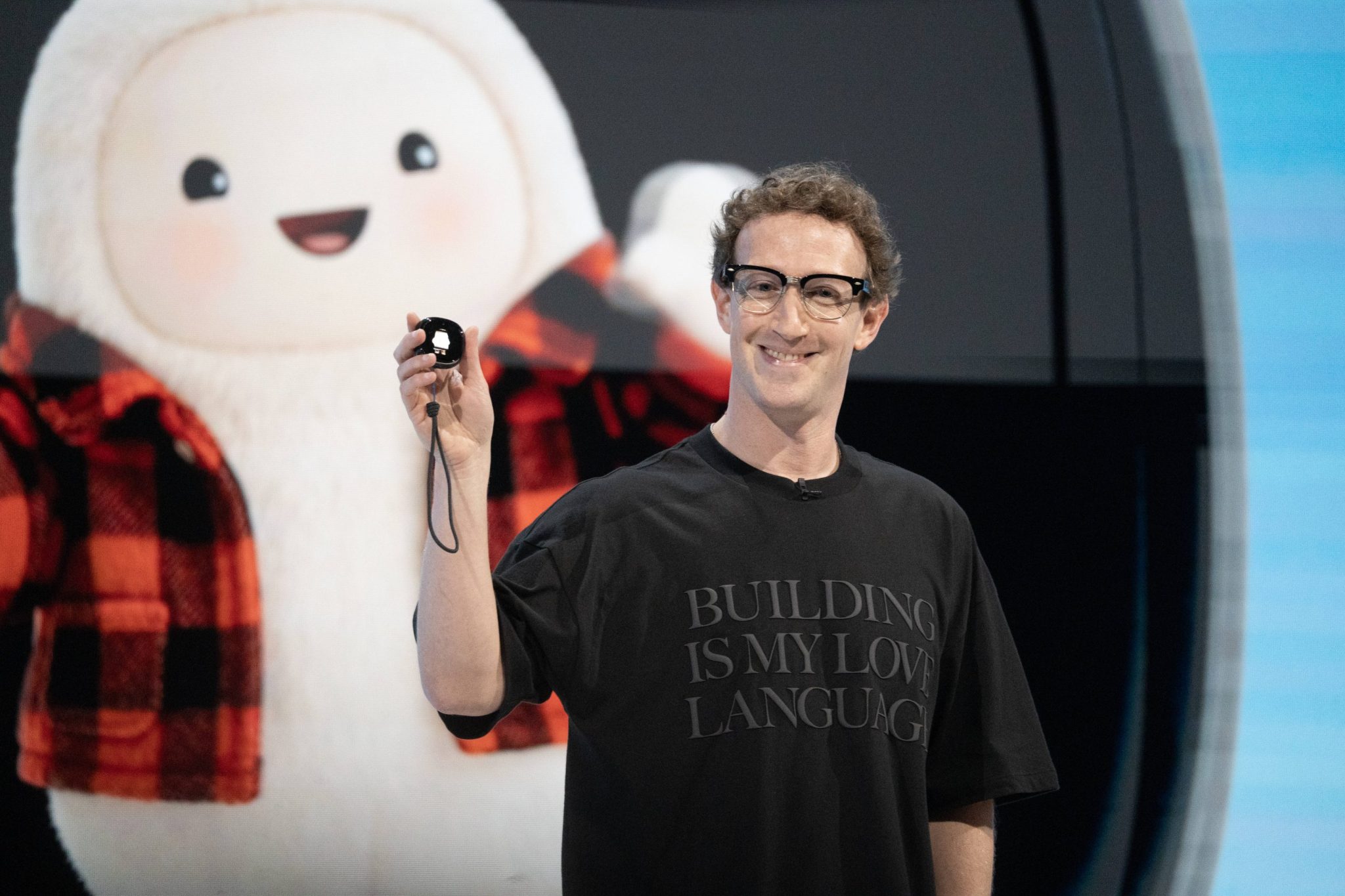
Alibaba launched Happy Wan, a studio merging the new HappyHorse model with Wan 3.0, spanning four video engine…

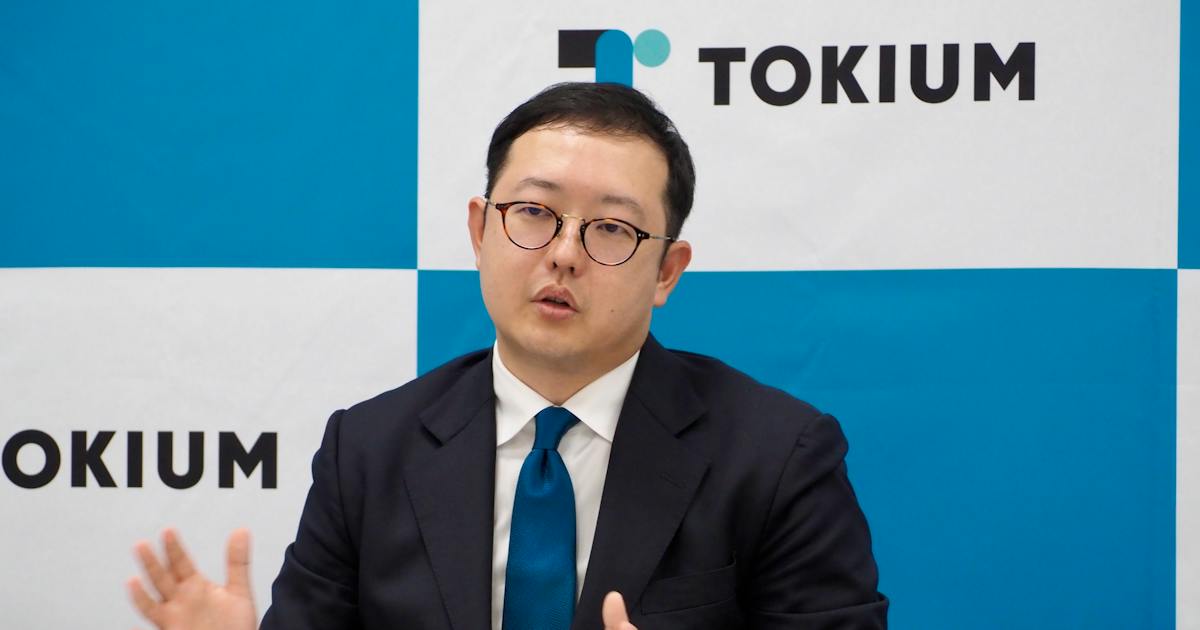
TOKIUM, which provides AI agents mainly for accounting work, listed on the TSE Growth Market on the 25th
Notch, known as the creator of Minecraft, took to X on November 24 to ask Anthropic to expand token usage and…
OpenAI announced on November 24 that GPT-5.6 Sol in Chat and GPT-5.6 Sol and GPT-5.6 Terra in Work and Codex w…