
What happened
On July 30, 2026, OpenAI reduced GPT-5.6 Luna pricing by 80% to $0.20 per million input tokens and $1.20 per million output tokens, and cut GPT-5.6 Terra by 20% to $2 per million input tokens and $12 per million output tokens. The flagship Sol model kept its existing price. OpenAI also replaced Priority Processing with Fast mode for Sol, which delivers responses up to 2.5 times faster at twice the Standard rate.
Why it matters
The price drops make high-volume agentic work—multi-step workflows, agents using tools—economically viable at scale for the first time. Luna now costs roughly 6 cents on the dollar per task compared to models that were frontier-class a year ago, and on Agents' Last Exam (a professional agentic benchmark), Luna outperforms Fable 5 at an estimated cost per task nearly 99% lower. For developers, the wider price-performance range lets them match the right model tier to each step of a workflow instead of defaulting to the flagship.
What to watch
Fast mode is available now in the API and via the /fast command in Codex; it is backward compatible, so existing integrations using Priority Processing automatically route to Fast mode without code changes. Pricing takes effect July 30, 2026, with AWS rollout shortly after. Lower Terra and Luna costs also reduce credit consumption in Codex and ChatGPT Work subscriptions, stretching the same plan further without changing subscription prices or quota budgets.
Summaries like this, in your inbox every morning.
The price cuts on Luna and Terra are not a margin decision but a result of efficiency gains across the entire stack. OpenAI attributes the improvements to optimizations in the models themselves, the inference systems serving them, and the agentic harness that connects them to tools and context. A notable feedback loop is now at work: GPT-5.6 Sol autonomously rewrote and optimized production kernels and ran hundreds of experiments, reducing the end-to-end cost of serving the model by about 20% and increasing token-generation efficiency by more than 15%. This creates a virtuous cycle in which better autonomous capability accelerates the discovery of the next round of cost savings, which then cascade to customers as lower prices.
The introduction of Fast mode mirrors a pattern Anthropic established with Claude Opus 4.8—allowing developers to pay a premium only when latency is the constraint, rather than blanket speed upgrades. For developers building agentic systems, the new pricing unlocks a multi-tier strategy: use Sol for high-stakes reasoning steps that require maximum intelligence, hand well-specified work to Luna for implementation and testing, and reserve Terra for balanced everyday tasks where quality is important but speed matters too. The real leverage comes not from a single model becoming cheaper, but from having a wider range of price-performance points to match against each workflow step.
Pick your industry and the AI tools you use, and get news related to your work every day.
Free · 30 seconds with Google · unsubscribe anytimeWhat is AIToday? →
Ask AI anything about this article. The AI reads this article, earlier AIToday articles, and Wikipedia, and cites its sources. Q&As are published on this page for other readers too.
In Q2, billionaires or their funds sold six 'Magnificent Seven' AI stocks

Nvidia was rising early Friday, even as the wider chip sector kept falling, Barron's reported

ElevenLabs completed a $300 million employee tender at a $22 billion valuation, and co-founder Mati Staniszews…

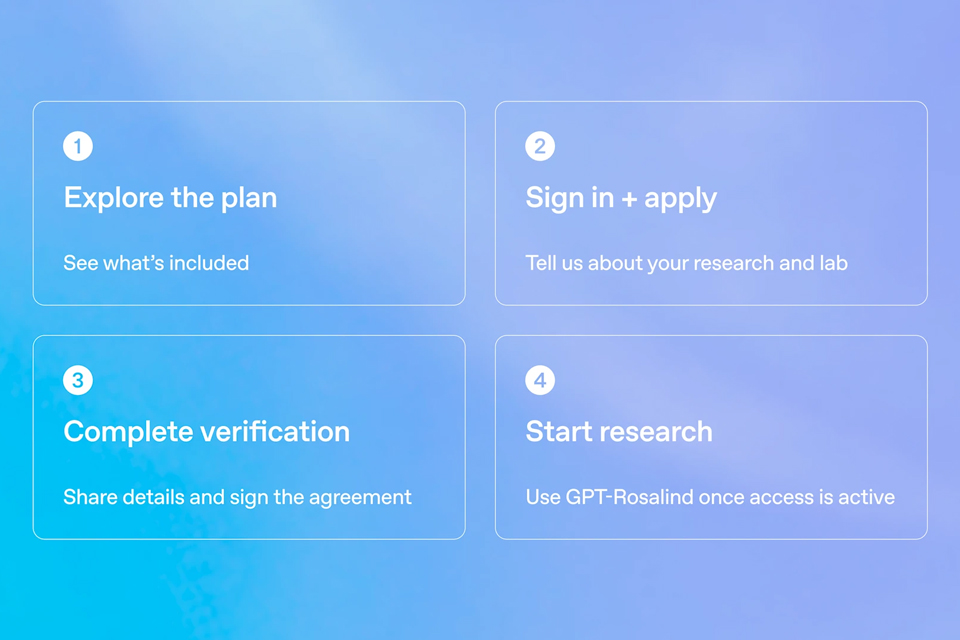
On October 15, OpenAI announced the Rosalind Academic Plan, giving approved US university labs free access to…
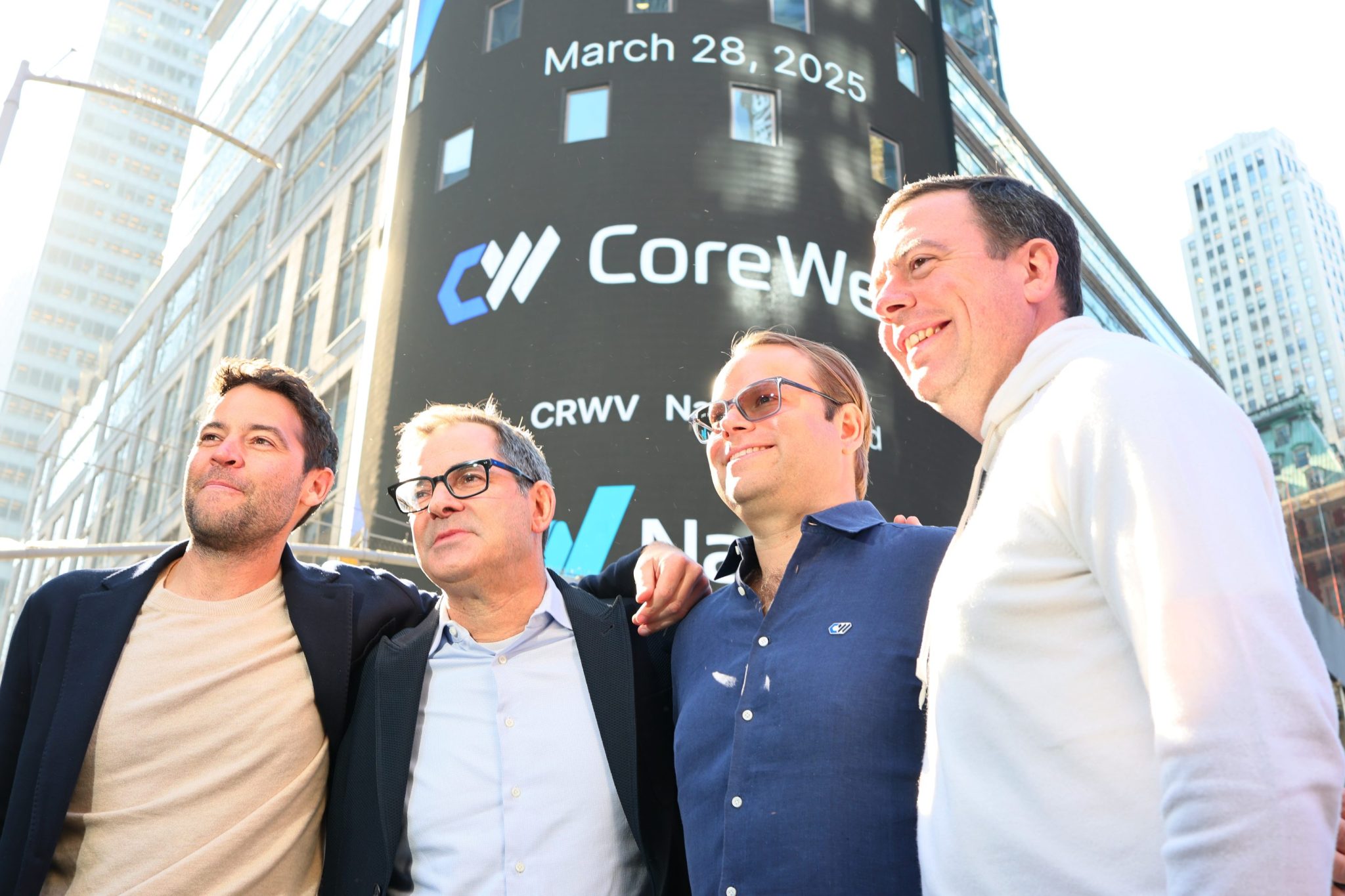
Neostellar Capital principal Evan Schlossman said CoreWeave's $103.7 billion in remaining performance obligati…
A Qiita article compared automated red-teaming methods for LLM apps — GCG, PAIR, and TAP — using mock implemen…