What happened
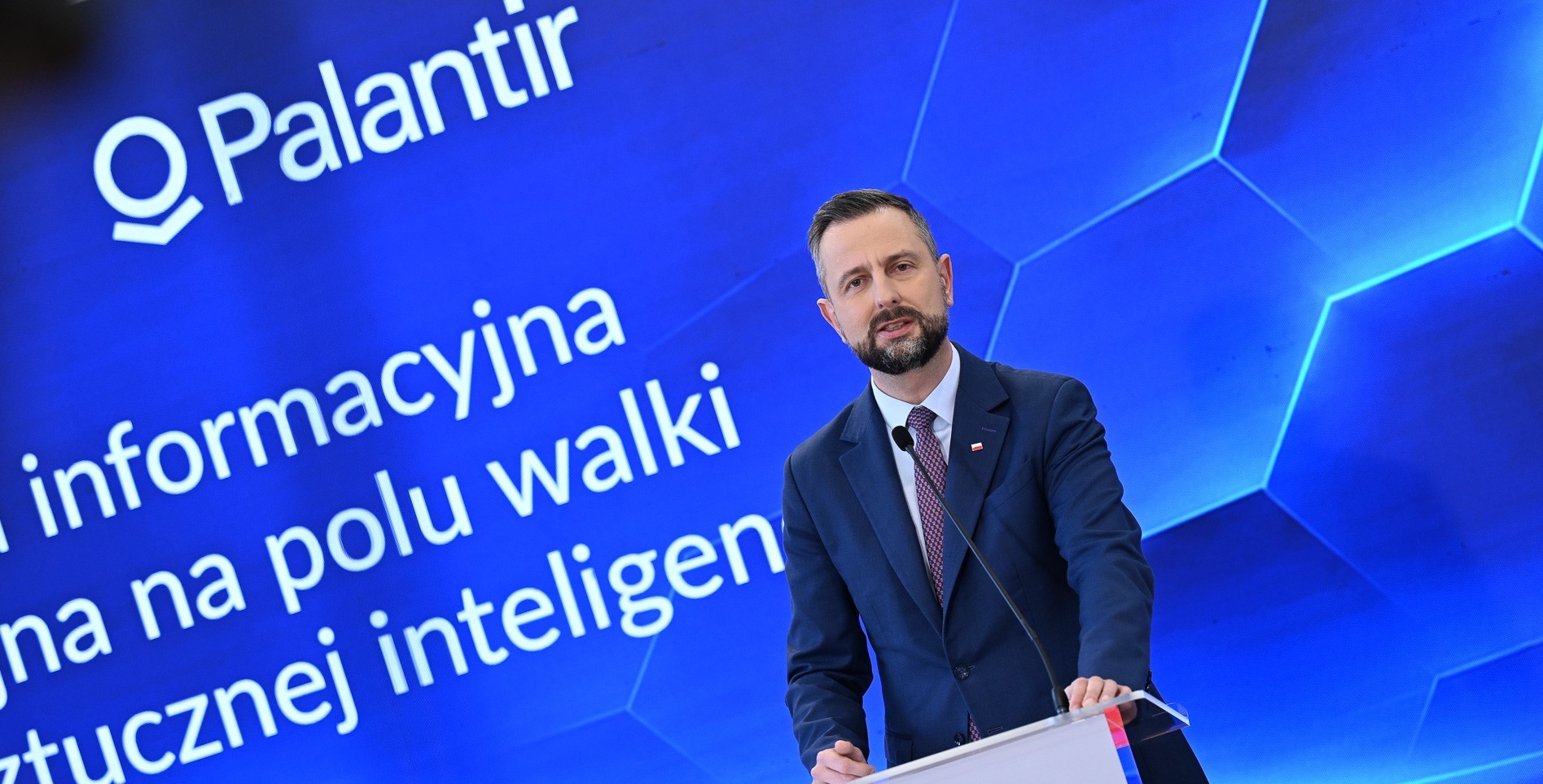
Poland's defence ministry signed a $300 million (1.2 billion zloty) five-year contract with Palantir for Maven Smart System, which uses machine learning to integrate and analyse data for military operations.
Why it matters
Minister Władysław Kosiniak-Kamysz says Maven will help Poland "build a modern army" and bring it closer to NATO, which already uses the system in its exercises; he also said no European providers could offer the same capabilities.
WHO IT HITSDefence procurement officials and military planners in NATO member states are the most directly affected, as the contract makes Poland one of the named users of a system already deployed by the US military and NATO's Allied Command Operations. European defence software vendors may also face tougher competition for similar contracts, given the minister's statement that no European provider could match the offering.
Summaries like this, every morning.
Maven Smart System did not start as a commercial product. It grew out of Project Maven, a programme initiated by the US Department of Defence in 2017, and is now being adopted by a NATO member through a five-year contract. That lineage helps explain why the Polish defence ministry framed the purchase as an interoperability move: Kosiniak-Kamysz noted that NATO has already integrated Maven into its military exercises, and said the agreement would "bring us closer to NATO and improve our position in the alliance".
The deal also arrives against a backdrop of unusually fast Polish defence spending growth since Russia's full-scale invasion of Ukraine. Poland was NATO's biggest arms importer between 2021 and 2025, with 44% of that equipment coming from the US, and thePalantir contract follows a letter of intent the defence ministry signed with the firm last year on AI, cybersecurity and information technology cooperation. Days before the signing, Poland and the US concluded 17 years of negotiations on a defence research, development, testing and evaluation agreement.
Palantir has drawn criticism over government use of sensitive data, including its work on US immigration enforcement and Israel's military operations in Gaza. Kosiniak-Kamysz sought to pre-empt that concern by stressing that Poland would "hold all the tools and all the keys in our hands", including possession of servers and data, and described the agreement as the most thoroughly analysed the ministry has signed. CEO Alex Karp, present at the signing, addressed opponents directly, saying it is "Poland's enemies who shout loudest against Palantir".
Pick your industry and the AI tools you use, and get news related to your work every day.
Free · 30 seconds with Google · unsubscribe anytimeWhat is AIToday? →
Ask AI anything about this article. The AI reads this article, earlier AIToday articles, and Wikipedia, and cites its sources. Q&As are published on this page for other readers too.
OpenAI filed counterclaims in California federal court on Friday, accusing Apple of stealing trade secrets and…

Visa Crypto Labs head Cuy Sheffield unveiled a new Visa Command Line Interface that verifies an agent using a…

Qualcomm finalized its $2.4 billion acquisition of Alphawave Semi, adding SerDes and interconnect IP to its Qu…

A Walmart cashier in southern Oregon, speaking anonymously with United for Respect, said she gets at least 10…

Citigroup and JPMorgan are among banks reportedly trying to offload some AI-related debt exposure, per Semafor…

Berkshire trades at about 1.62x book, above 29 of the 30 quarter-ends since 2017

