
Morgan Stanley Research found that industries in the top quartile of AI exposure contributed 1.7 percentage points to the overall 2.4 percentage-point growth in productivity recorded over the four quarters through the end of 2025, up from 0.7 percentage points a year earlier. Employment growth across high-, medium-, and low-AI industries remained broadly similar, meaning output per worker accelerated without job cuts.
A small tier of top performers is absorbing work previously distributed across larger teams, according to tech executive Daniel Miessler. Companies are choosing to "fire everyone but the best, and have them become 10x or 100x what they were by wielding AI," concentrating productivity gains at the top while marking a much larger cohort for displacement.
Current AI pricing does not reflect actual costs—a serious individual user of a frontier model consumes roughly $80 to $150 of compute per month at real prices while paying $20 per month for a subscription. According to technologist Shaun Warman, this subsidy will close within three to five years as synthetic data quality improves and models improve themselves, after which the $20 monthly tier will vanish or degrade into an advertising-supported product and top capabilities will be gated behind enterprise contracts with five-figure annual minimums.
Workers at smaller firms, in lower-margin industries, or in the public sector will face a starker impact when pricing changes, since the productivity gains were generated by tools priced below cost as a temporary subsidy, and the bill will be set by what large corporations are willing to pay.
Ask the AI about this article →
For example, today's edition would include:
AI-summarized, only the topics you pick — one digest a day via Email, Slack, or Discord.
Free · takes 30 seconds · unsubscribe anytimeWhat is AIToday? →
Ask AI anything about this article. Q&As are published on this page for other readers too.
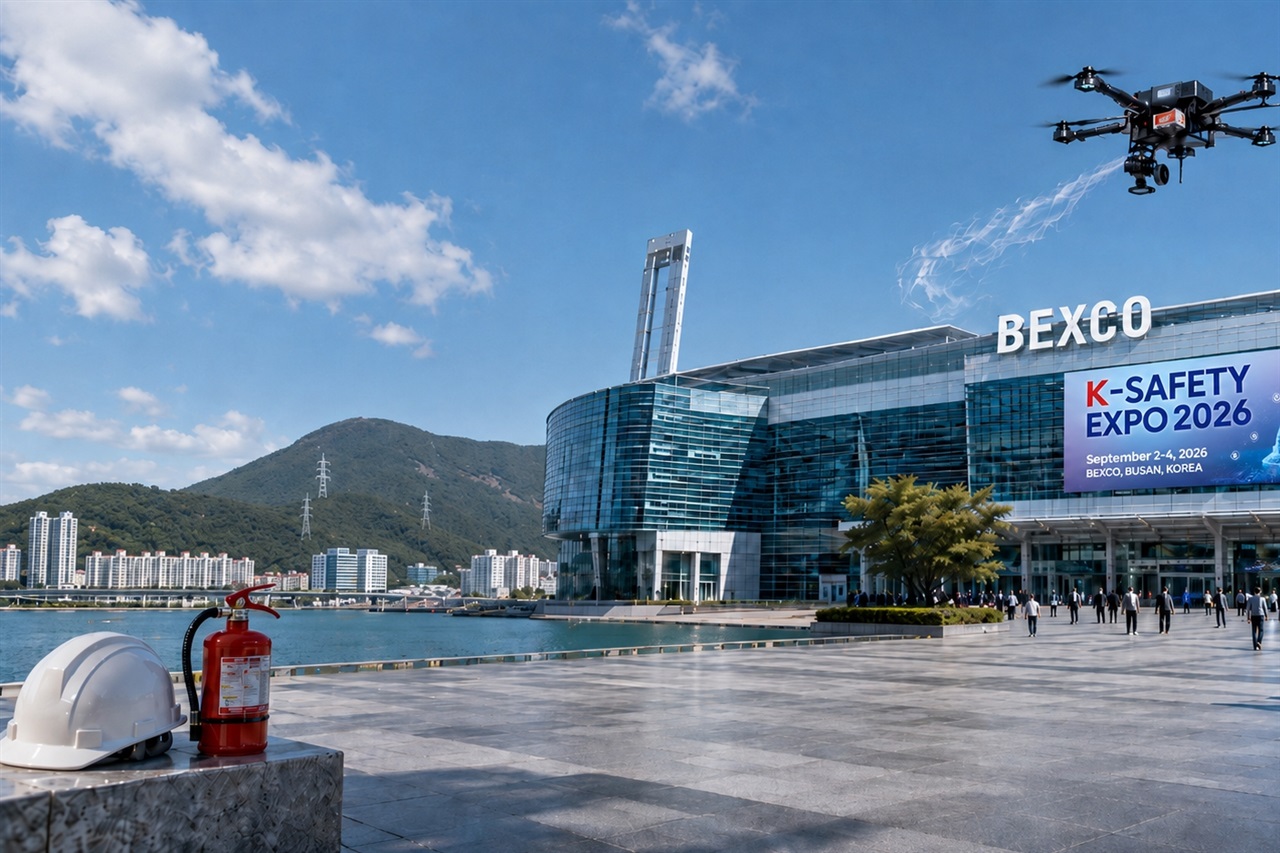
K-Safety Expo 2026 will be held at BEXCO in Busan from September 2–4, featuring AI, robots, sensors, and conne…
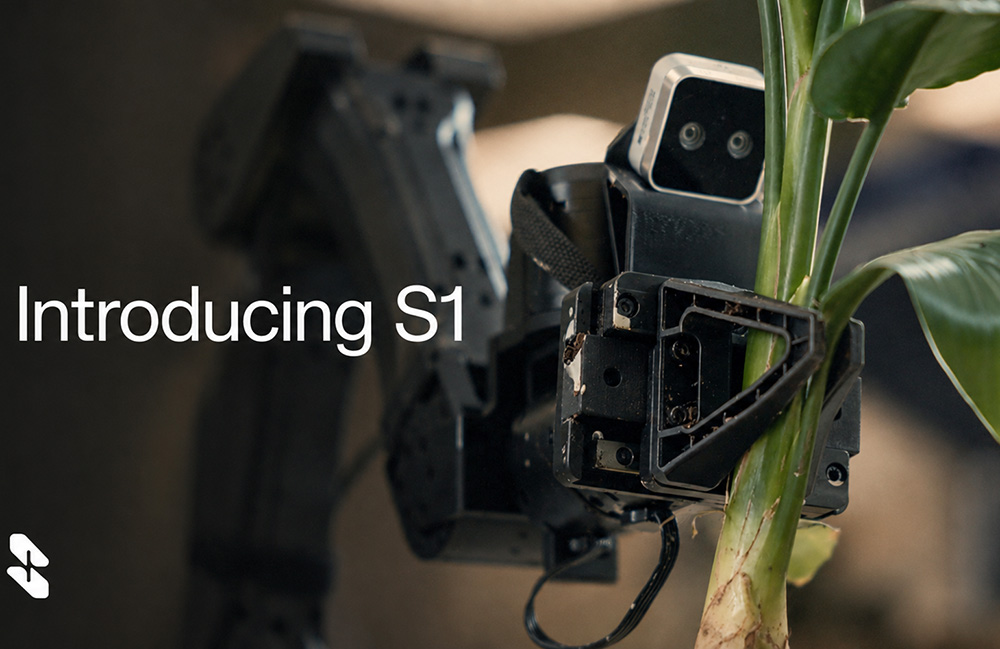
Skild AI has introduced S1, its flagship robot foundation model, which lets robots learn new, complex tasks by…
BHP, the world's largest mining company by market capitalization, has deployed AI across its operations
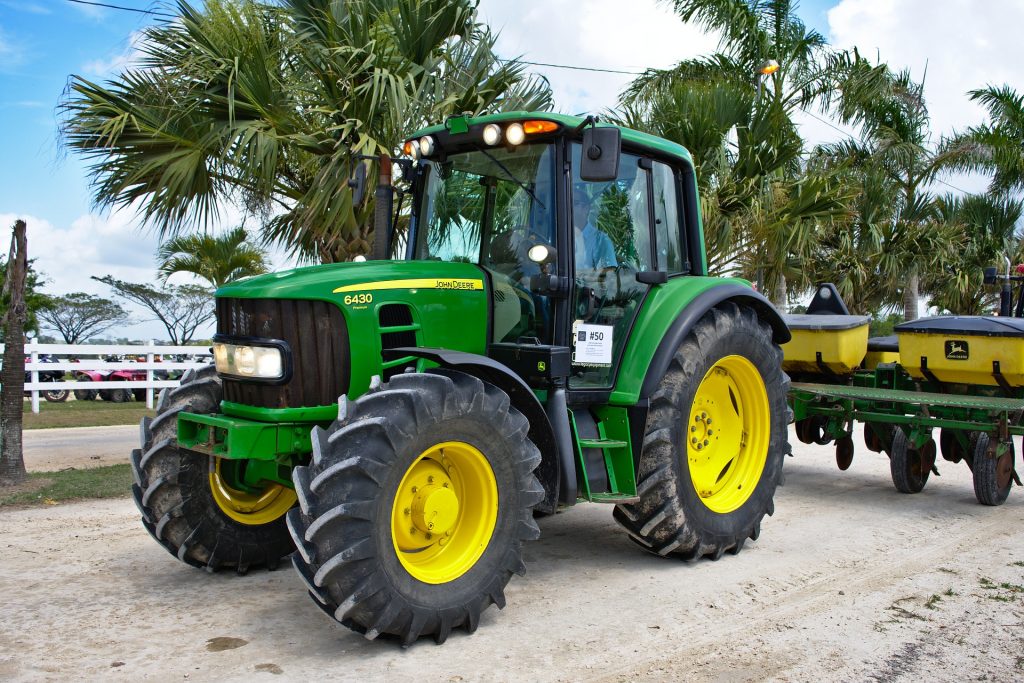
John Deere announced a three-year, $10 million research and development partnership with ag-tech company Reser…
On July 16, 2026, NVIDIA announced that 22 Japanese companies and organizations have expressed intent to join…
Panasonic HD has established a new AI and robotics research and development division, and CAIO Sakaba is leadi…