What happened
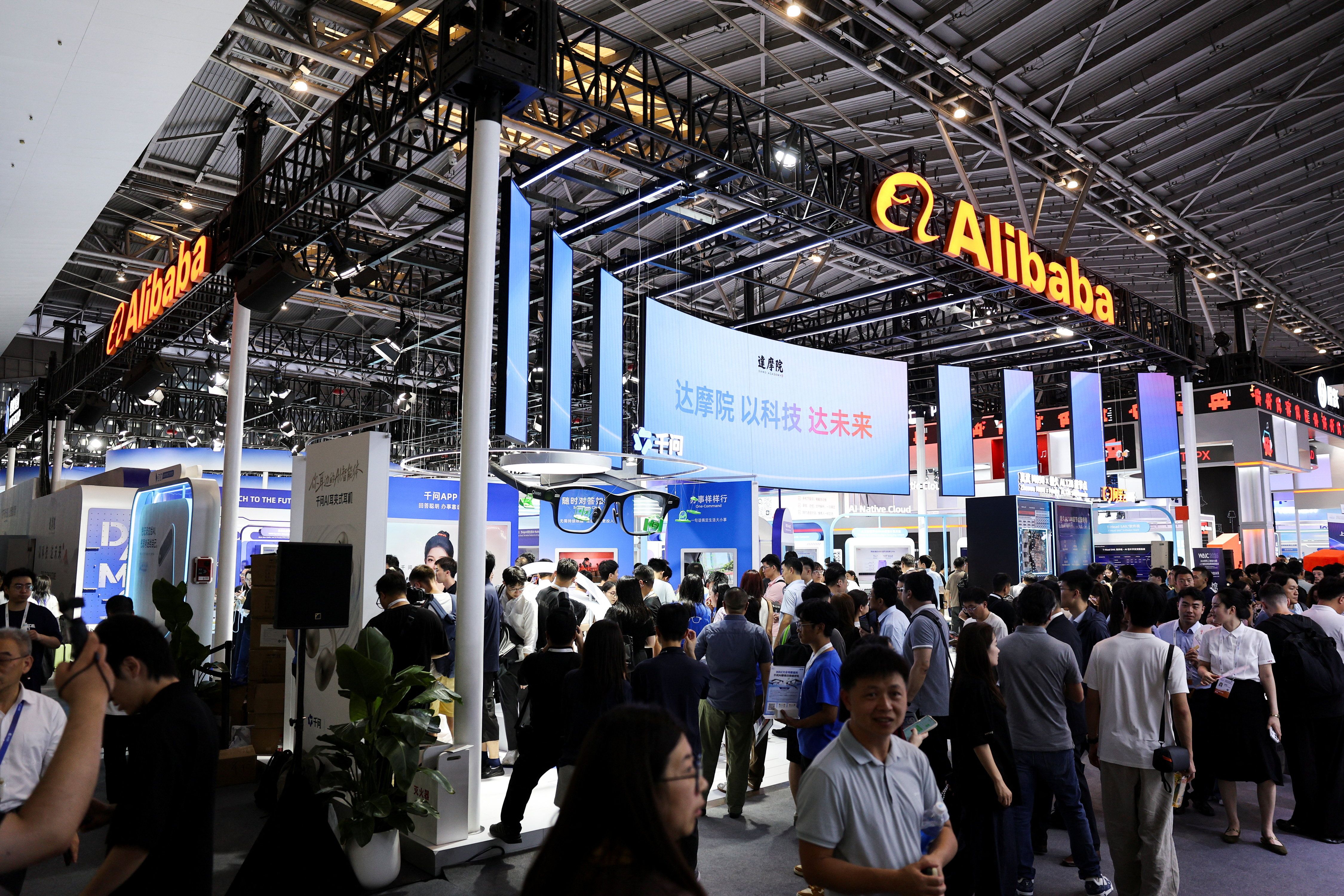
Chinese tech giant Alibaba raised $10 billion in Hong Kong's biggest-ever secondary share sale to keep up in the global AI race. Its stock fell almost 10% in Monday trading, its steepest single-day drop in more than a year.
Why it matters
Investors worldwide worry that tech firms' revenues are struggling to keep up with the AI spending spree, which has added substantially to their debt piles. Some companies, like Google in June, have turned to selling equity as a result.
What to watch
A Reuters columnist noted that if end uses and costs remain uncertain, the ultimate scale of investment, financing needs, and eventual payoff are 'finger-in-the-wind estimates.'
Summaries like this, in your inbox every morning.
Alibaba's move to raise $10 billion through a secondary share sale in Hong Kong marks the largest such offering in the city's history, underscoring the scale of capital needed to stay competitive in AI. However, the market's reaction—a nearly 10% stock drop on Monday—shows skepticism about whether these investments will translate into revenue growth. This tension reflects a broader concern among global investors that tech companies are piling on debt to fund AI initiatives without clear payoff timelines. The mention of Google also selling equity in June suggests a trend among major tech firms to tap equity markets rather than rely solely on debt. A Reuters columnist's comment about 'finger-in-the-wind estimates' highlights the uncertainty surrounding the ultimate investment scale and returns, which may continue to weigh on investor sentiment.
Pick your industry and the AI tools you use, and get news related to your work every day.
Free · 30 seconds with Google · unsubscribe anytimeWhat is AIToday? →
Ask AI anything about this article. The AI reads this article, earlier AIToday articles, and Wikipedia, and cites its sources. Q&As are published on this page for other readers too.

