What happened
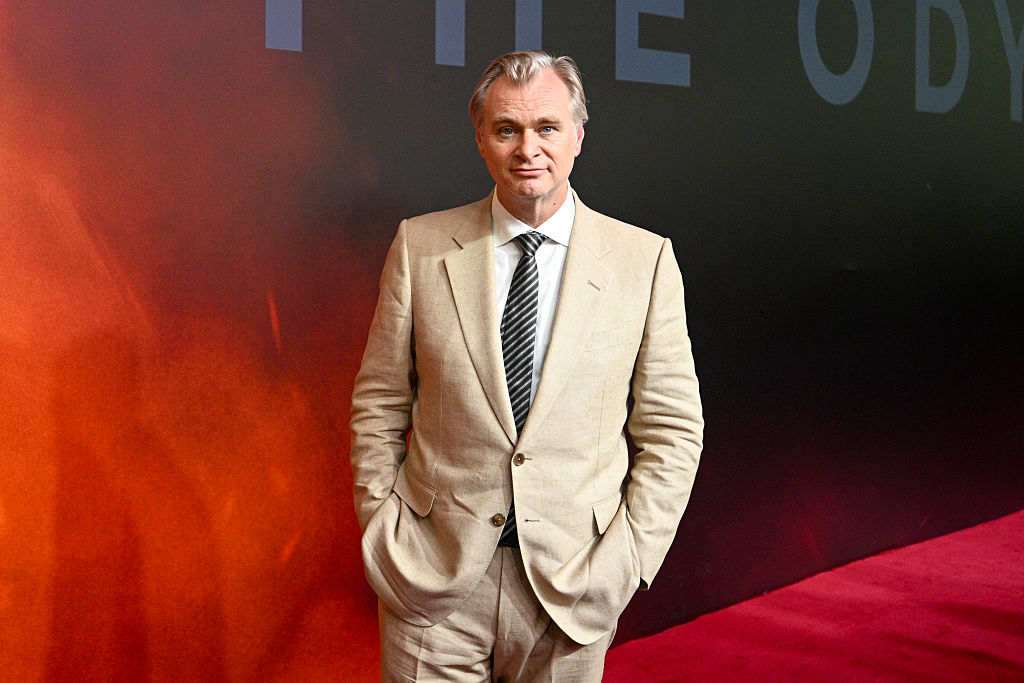
Christopher Nolan, director of the Oscar-winning new version of "The Odyssey," said in an interview that AI is a "Trojan horse that everybody knows the Greeks are inside" — comparing it to the mythological horse featured in his film, which conceals danger beneath an inviting surface. He praised what he called "pretty encouraging" deep skepticism of AI, particularly among young people.
Why it matters
Nolan framed healthy skepticism toward AI as essential, arguing that "the motives of the people giving it to us also have to be viewed with skepticism." His comments reflect broader Hollywood concerns about generative AI; the technology was a major focus during the 2023 writers' and actors' strikes, and the Directors Guild of America (where Nolan serves as president) secured generative AI protections in its latest contract.
What to watch
Nolan described himself as a "techno-skeptic" rather than a technophobe, noting he has "embraced new technology" — evident in "The Odyssey" becoming the first feature film shot entirely on Imax film and cameras. His stance suggests a distinction between cautious adoption of tools he deems valuable and outright rejection of technologies that displace still-viable systems.
Ask the AI about this article →
Summaries like this, in your inbox every morning.
Nolan's skepticism toward AI emerges from a broader pattern in his career: a carefully reasoned caution about technological change rather than reflexive rejection. He has previously resisted smartphones and championed film as a medium superior to digital imaging, yet "The Odyssey" is notable as the first feature film shot entirely on Imax film and cameras—a position that situates him as neither a pure technophobe nor an uncritical adopter. His framing of healthy skepticism as essential to extracting value from new technologies reflects a philosophy rooted in defending viable existing systems against wholesale displacement, a concern that resonates acutely in Hollywood. The timing of his comments aligns with industry-wide unease about generative AI, which was a flashpoint in the 2023 writers' and actors' strikes and prompted the Directors Guild to negotiate explicit protections in its most recent labor agreement. Nolan's distinction between "techno-skepticism" and technophobia signals that the debate over AI in creative industries is not about rejecting innovation outright, but about insisting on scrutiny of both the technology's design and the commercial motives driving its adoption.
For example, today's edition would include:
AI-summarized, only the topics you pick — one digest a day via Email, Slack, or Discord.
Free · 30 seconds with Google · unsubscribe anytimeWhat is AIToday? →
Ask AI anything about this article. Q&As are published on this page for other readers too.
A developer tested whether ChatGPT would judge the same remote-work scenario differently when only the subject…

Google DeepMind ran 100 autonomous LLM agents using Gemini 3.1 Pro on 71 math problems
OpenAI, WAN-IFRA, and AIRPPU announced a joint initiative to help Ukrainian news organizations adopt AI

Palantir Technologies Inc
OpenAI has stated it is 'now moving into the AGI era,' and the company has also said it believes it knows how…
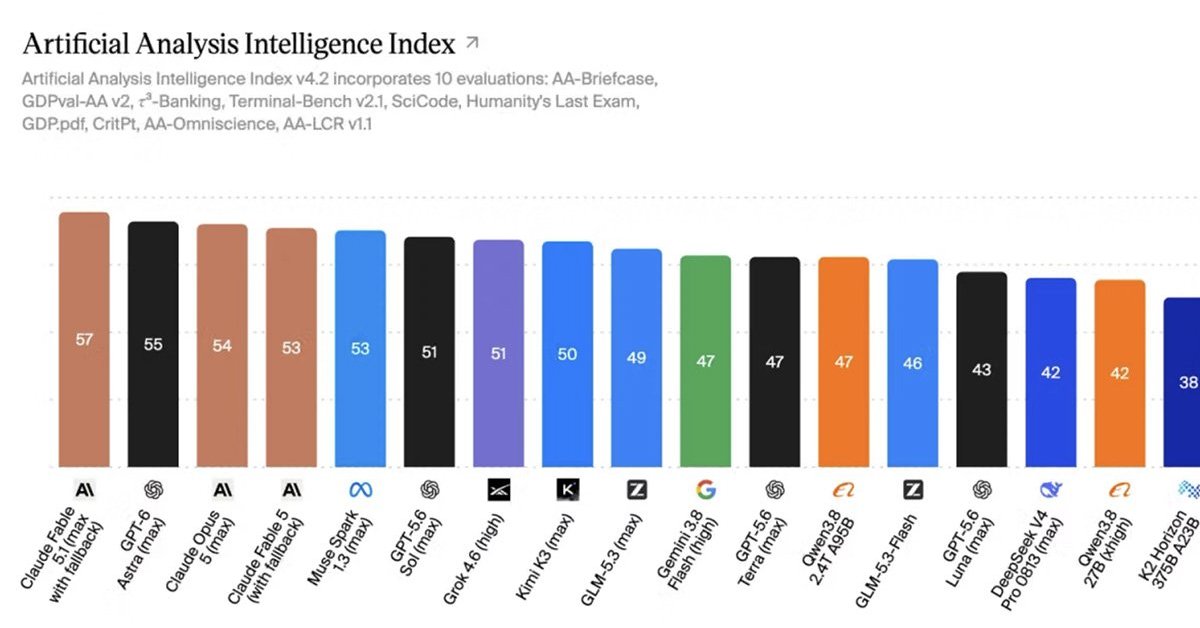
Artificial Analysis updated its Intelligence Index to v4.2 on September 4, adding two new tests: AA-Briefcase…