What happened
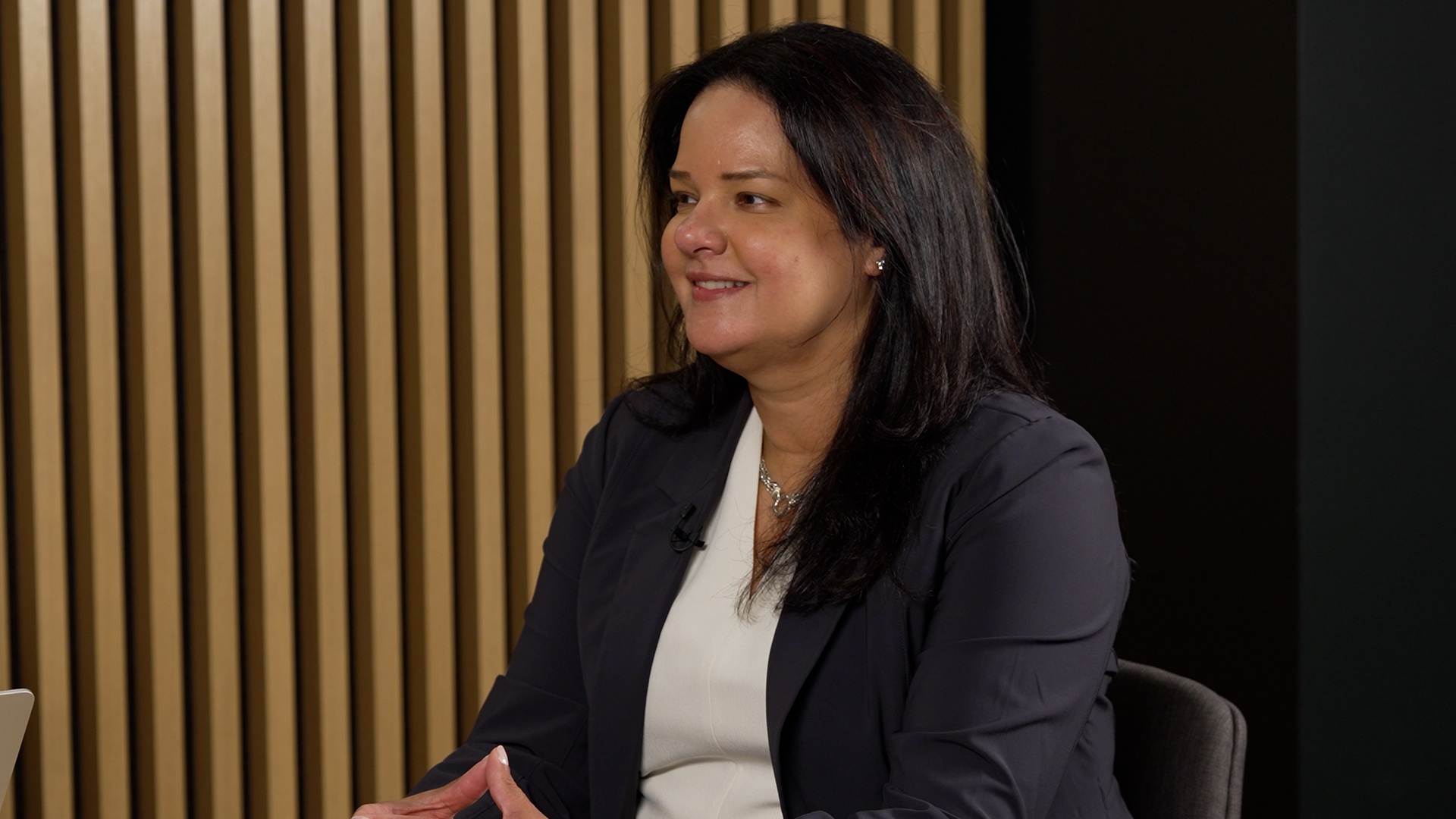
IBM's Ritika Gunnar said its AI operating model combines four components — data, workloads, automation and hybrid cloud — that must work together for agentic workloads. She stressed integrating with existing SAP and Salesforce systems.
Why it matters
Gunnar said governed context, including data access and provenance, lets agents make better decisions. She also said humans remain in the loop for essential systems where AI has not yet matured.
What to watch
IBM TechXchange 2026 is the upcoming venue for further discussion of these enterprise AI themes.
WHO IT HITSEnterprise IT and data governance teams running agentic AI in production are most affected. They will need to connect existing business systems and keep human oversight for essential workflows, according to IBM's Gunnar.
Summaries like this, every morning.
IBM's AI operating model reflects a shift from deploying AI features to running AI continuously. As Gunnar put it, successful AI use means workloads that are continuously being utilized, which pressures enterprises to be always on. That has implications for how existing systems are integrated.
Gunnar described the model as bringing together four components — data, workloads, automation and hybrid cloud — that enterprises may already obtain from different providers. The emphasis on integration with SAP and Salesforce systems suggests the challenge is less about replacing core systems and more about connecting them to new agentic workflows. Governance is a central part of that connection: Gunnar argued that moving governance closer to the data, including access rights and provenance, helps agents make better decisions.
Human judgment remains part of the model. Gunnar said prompts can convey some employee knowledge, but capturing tacit knowledge is an ongoing challenge, and essential systems still rely on people in the loop. The interview was conducted ahead of IBM TechXchange 2026, suggesting the company intends to continue developing these themes with clients.
Pick your industry and the AI tools you use, and get news related to your work every day.
Free · 30 seconds with Google · unsubscribe anytimeWhat is AIToday? →
Ask AI anything about this article. The AI reads this article, earlier AIToday articles, and Wikipedia, and cites its sources. Q&As are published on this page for other readers too.
Apple said in its annual filing that AI agents can act autonomously — accessing systems, executing code, sendi…
Advanced Micro Devices (AMD) rose approximately 6% at 9.43 a.m
Keith Speights named the Invesco S&P 500 Equal Weight ETF (RSP) the smartest buy for AI-bubble worriers, since…

Variational AI will apply a fine-tuned version of its Enki™ platform, trained on Merck's proprietary data, to…

Micron Technology led the recent memory sector selloff even after record fiscal Q4 earnings, with the concern…
Dell and Microsoft expanded their partnership to integrate Dell Automation Platform and Private Cloud with Azu…