What happened
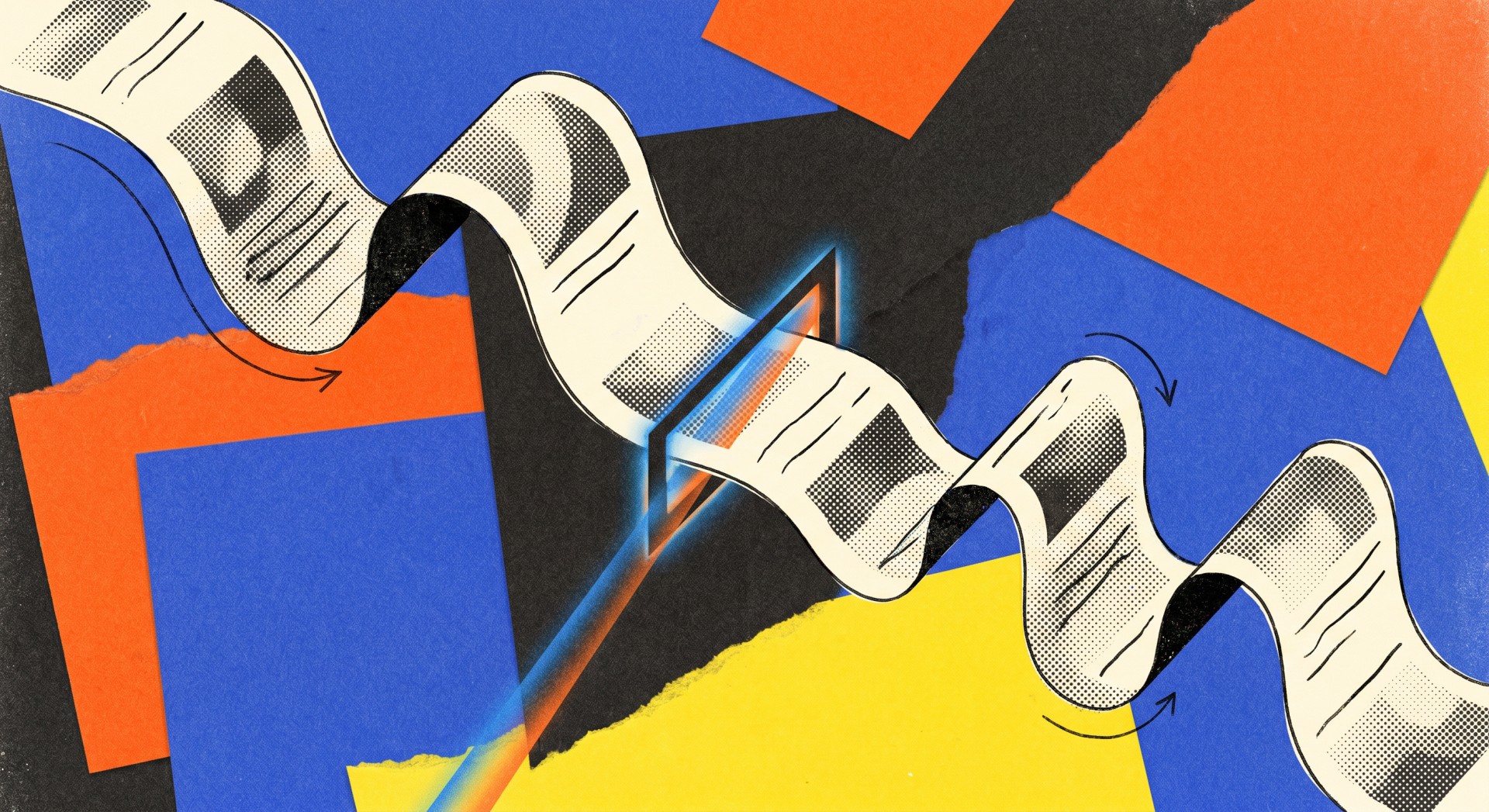
Daniel van Strien of Hugging Face tested eight open OCR models on 850 pages from old natural history books, the 1771 Encyclopaedia Britannica, and archival documents, all on a rented Nvidia RTX PRO 6000. The newest model, LightOnOCR-3-0.8B, scanned 1,000 pages for just under 10 cents, versus 51 cents for April 2025's RolmOCR.
Why it matters
The newest model read book pages at least as accurately as the oldest one, so cheaper OCR is not coming at the expense of quality in this comparison. Some models, though, hallucinated text on blank pages or repeated the same content over and over.
Summaries like this, every morning.
The benchmark matters because it isolates how much of the cost decline comes from better models versus better plumbing. Van Strien notes that optimizing how the models ran — feeding pages more evenly, using smaller scans, updating software, and running a faster GPU — saved about as much money as switching to newer models did, if not more. That suggests the gap between a well-run older setup and a poorly run newer one may be narrower than the headline model comparisons imply.
The spread among the models is also telling: the cost of scanning 1,000 pages dropped from 51 cents for the oldest model to just under 10 cents for the newest, but the five models in between are almost on par with each other. In other words, most of the gain comes at the ends of the timeline, not steadily across every release. For anyone planning a digitization budget, that argues for checking which side of that plateau a candidate model falls on rather than assuming each successive version brings another step-change.
The hallucination findings add a practical caveat. A model that invents text on blank pages or loops the same content is cheap per page but expensive in review time, and the benchmark's accuracy comparison covered book pages, not every document type tested. How well the cost advantage holds on typed and printed archival documents — as opposed to the old books — is not spelled out in the results.
Pick your industry and the AI tools you use, and get news related to your work every day.
Free · 30 seconds with Google · unsubscribe anytimeWhat is AIToday? →
Ask AI anything about this article. The AI reads this article, earlier AIToday articles, and Wikipedia, and cites its sources. Q&As are published on this page for other readers too.
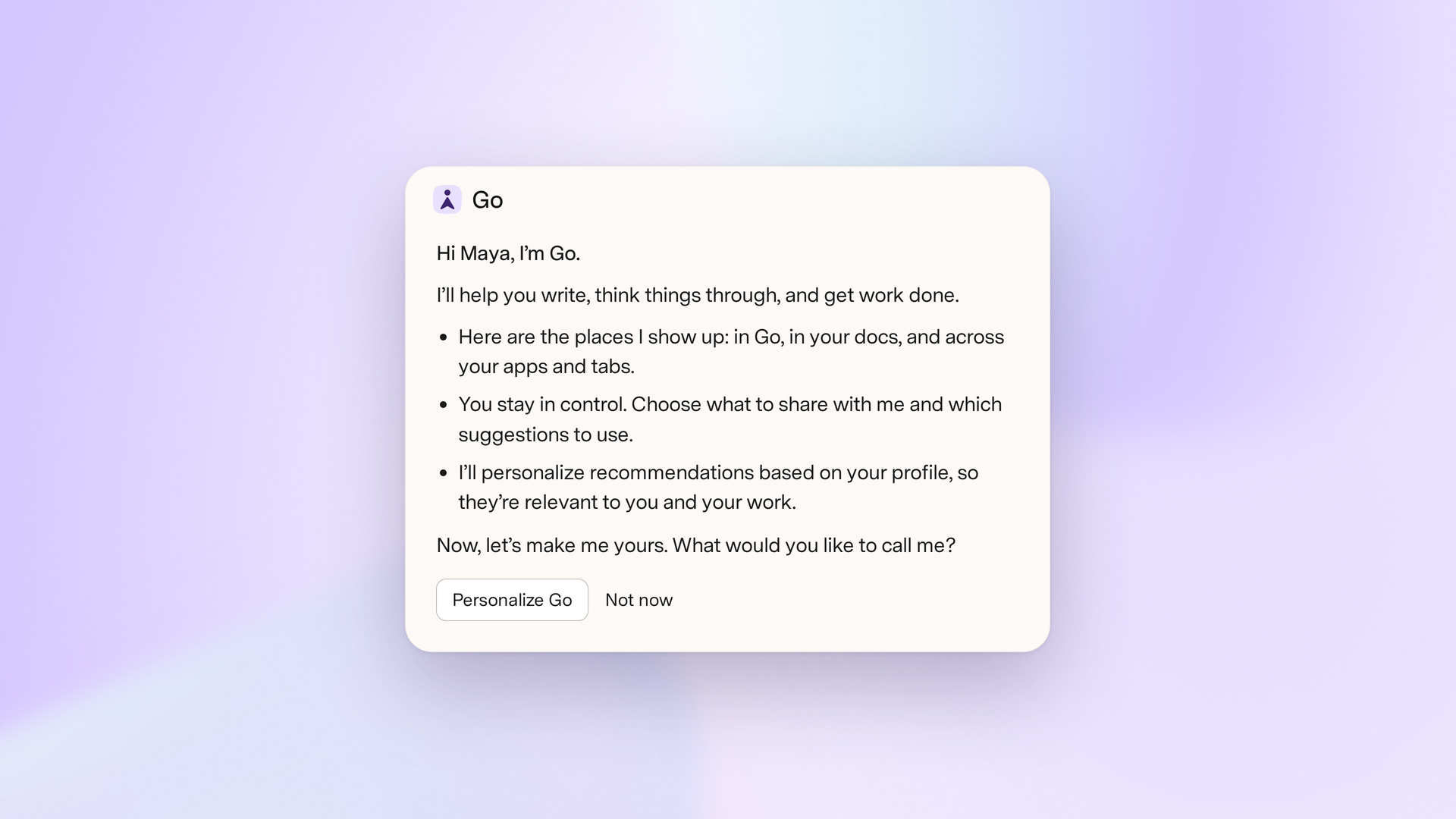
Superhuman, formerly Grammarly, added a personalized assistant to its Go multi-agent platform that works acros…
Alibaba CEO Eddie Wu said on the company's earnings call that the next Qwen AI model is being developed using…

Linq raised $90 million in a Series B led by Andreessen Horowitz at a $1 billion valuation, lifting total fund…

Anthropic's IPO is poised to raise billions, with Amazon and Google holding stakes valued around a combined $3…
OpenAI is rolling out Live Dictation globally on all ChatGPT plans across web, desktop, iOS and Android; it tr…
Google said Google AI Ultra (from 14,500円/month) now upgrades its included YouTube Premium from individual to…