
What happened
A guide explains how AI agents can reduce work hours, labor and outsourcing costs, and rework from errors. It includes real company results, such as Panasonic Connect saving 788,000 hours a year and Resonac cutting about 90,000 hours a month.
Why it matters
The savings depend more on choosing the right tasks than on the tool. The article warns that vendor estimates can be offset by hidden costs like API fees and monitoring, so it provides a four-step method to build a realistic business case.
What to watch
A sample calculation shows 500 monthly tasks at 20 minutes each, with a 50% reduction and a labor rate of 3,000 yen per hour, yielding 990 hours and 2.97 million yen saved annually, with a payback period of about 10.2 months.
Summaries like this, in your inbox every morning.
This article is a practical guide for business readers, not a technical deep dive. It emphasizes that the real challenge is not the AI tool itself but how you pick which tasks to automate and how you account for all costs. The method starts with measuring current work hours, then estimating a realistic reduction rate, converting that to a monetary value using labor costs, and finally subtracting hidden costs to get a payback period.
The hidden costs are a key warning: API usage fees, system integration, output checking, and training are often missed. If you ignore them, your proposal may fail after deployment. The article uses examples like GS Yuasa's IT helpdesk to show that focusing on one high-volume task can yield quick results. It also brings up Gartner's prediction that over 40% of agentic AI projects will be canceled by end of 2027, mostly due to high costs and unclear business value.
For a business reader, the takeaway is to keep estimates conservative and based on your own measurements. The article gives a concrete formula and a sample that shows a 10.2-month payback, which is a realistic target. It doesn't promise magic; it pushes for a structured approach to making AI agents an actual investment.
Pick your industry and the AI tools you use, and get news related to your work every day.
Free · 30 seconds with Google · unsubscribe anytimeWhat is AIToday? →
Ask AI anything about this article. The AI reads this article, earlier AIToday articles, and Wikipedia, and cites its sources. Q&As are published on this page for other readers too.
In Q2, billionaires or their funds sold six 'Magnificent Seven' AI stocks
Nvidia was rising early Friday, even as the wider chip sector kept falling, Barron's reported
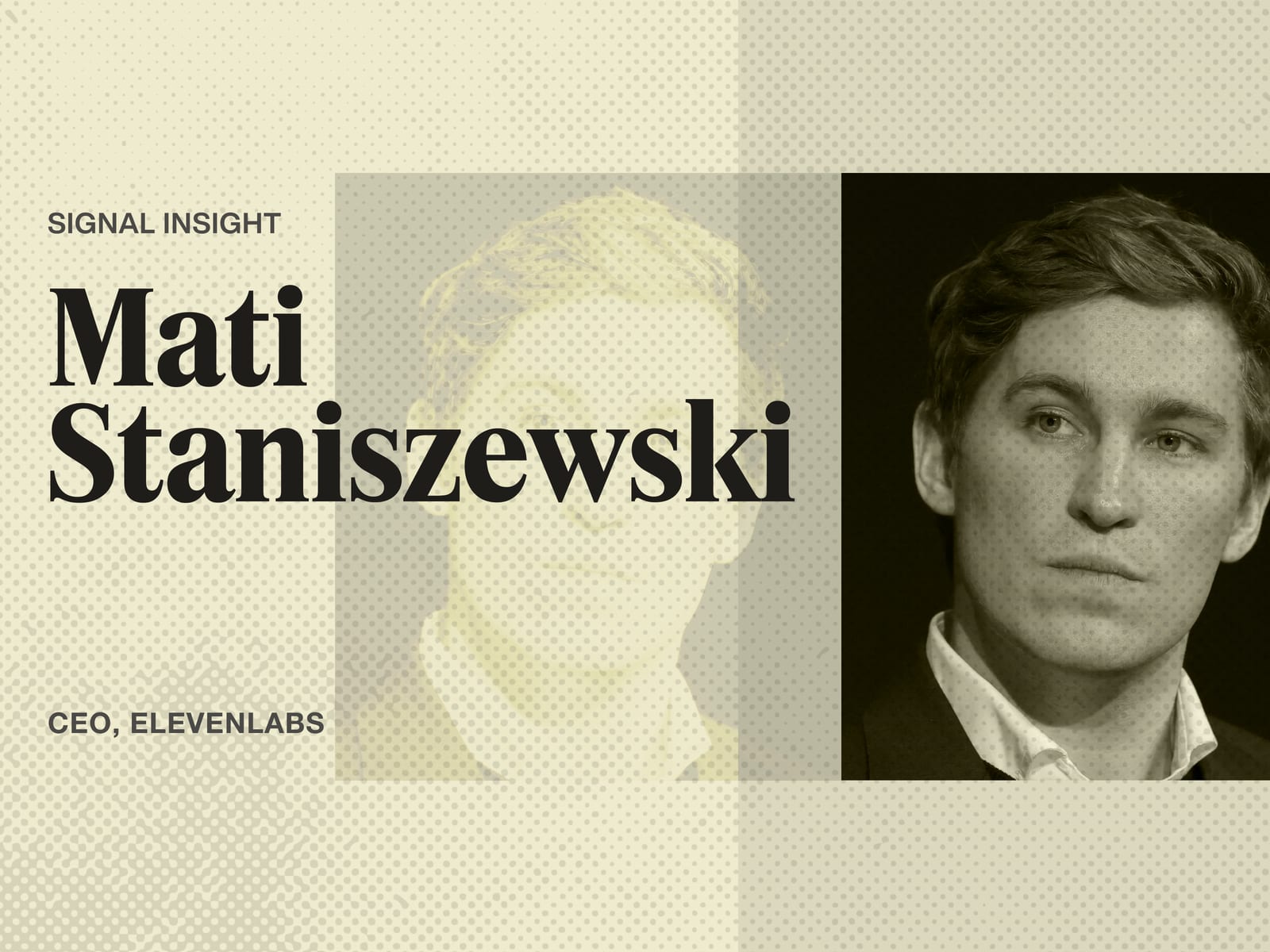
ElevenLabs completed a $300 million employee tender at a $22 billion valuation, and co-founder Mati Staniszews…
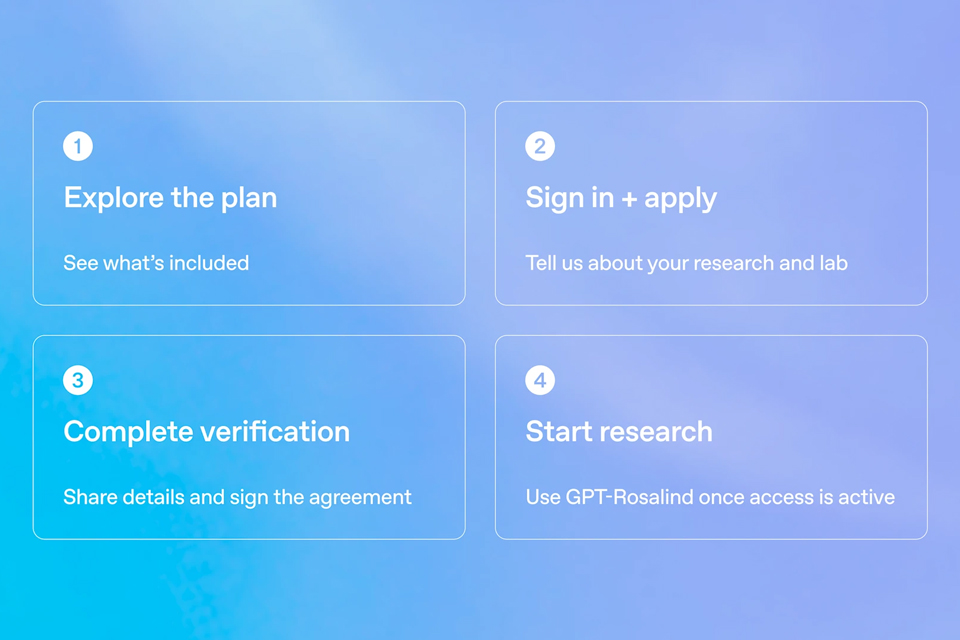
On October 15, OpenAI announced the Rosalind Academic Plan, giving approved US university labs free access to…
Neostellar Capital principal Evan Schlossman said CoreWeave's $103.7 billion in remaining performance obligati…
A Qiita article compared automated red-teaming methods for LLM apps — GCG, PAIR, and TAP — using mock implemen…


