What happened
Nvidia, an Anthropic investor and hardware supplier, uses Anthropic's Fable only for less sensitive tasks like open-source projects, according to The Information.
Why it matters
Nvidia runs internal work such as AI-powered supply chain monitoring on its own Nemotron models instead—showing even an Anthropic backer withholds proprietary work from Fable.
What to watch
Palantir is blocking Fable deployment through its software until Anthropic grants irrevocable zero-data-retention guarantees, so Anthropic's response to those demands is the test.
WHO IT HITSEnterprise AI and security teams at large firms handling proprietary code or intellectual property are reconsidering whether they can route sensitive work through third-party AI models at all, given the zero-data-retention gaps the article describes.
Ask the AI about this article →
Summaries like this, in your inbox every morning.
The friction runs through Anthropic's own backers and customers. Nvidia has invested in Anthropic, reportedly plans to continue doing so, and supplies the company with hardware for model development, yet it uses Fable only for less sensitive tasks. Booz Allen Hamilton, one of the earliest users of Anthropic's Mythos model, has banned employees from using Fable for work on proprietary cybersecurity software, with CTO Bill Vass saying the company worries Fable might be learning from some of its code.
Anthropic has tried to respond. After customer pushback and OpenAI's August move to let GPT-5.6 Cyber customers store security logs on their own servers, Anthropic followed suit with a similar program rolling out to select customers this fall. But zero data retention still leaves gaps, because both OpenAI and Anthropic collect metadata and technical usage data from enterprise customers, according to The Information.
OpenAI co-founder John Schulman and AI researcher Sarah Hooker point to deeper limits. Schulman laid out a spectrum of training approaches that can still extract customer IP, called de-identification weak, and said users can be traced back with just a small number of bits. Buckmaster's Navier-Stokes dispute with OpenAI, even after OpenAI's internal investigation cleared the Codex prompts of influencing the system, showed how fragile the trust between business, academia, and the AI labs really is.
For example, today's edition would include:
AI-summarized, only the topics you pick — one digest a day via Email, Slack, or Discord.
Free · 30 seconds with Google · unsubscribe anytimeWhat is AIToday? →
Ask AI anything about this article. Q&As are published on this page for other readers too.
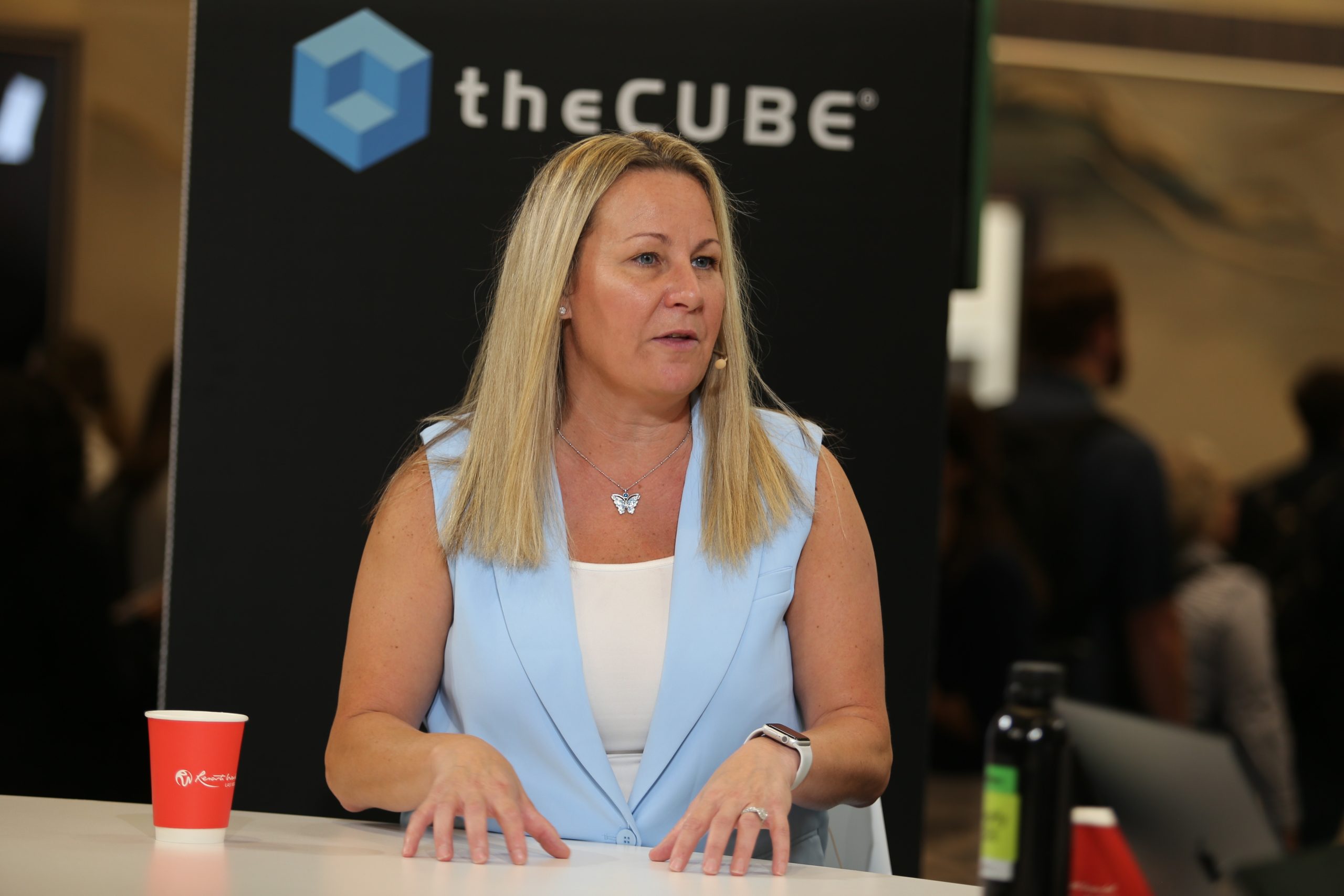
Keri Tracy, VP and chief audit executive at Newell Brands, told theCUBE that audit has a seat at the table for…
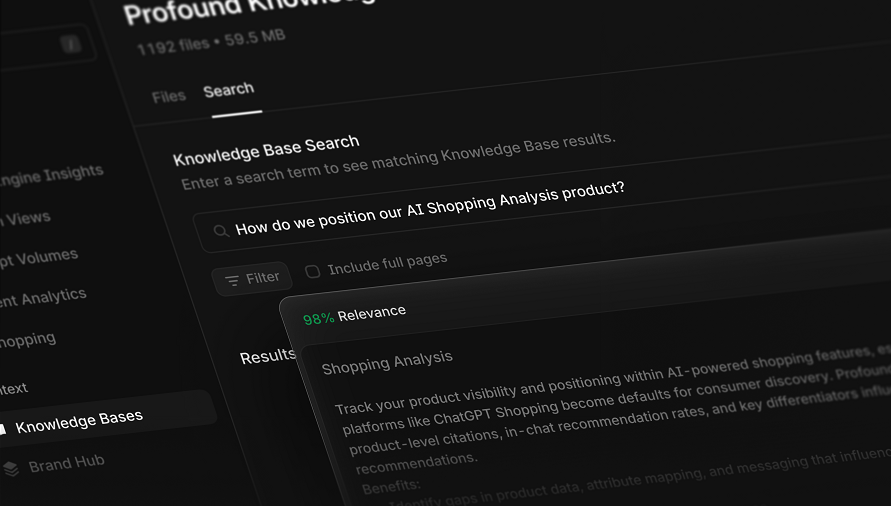
Profound raised $180 million in a Series D led jointly by Sequoia Capital and Kleiner Perkins, at a $1.8 billi…
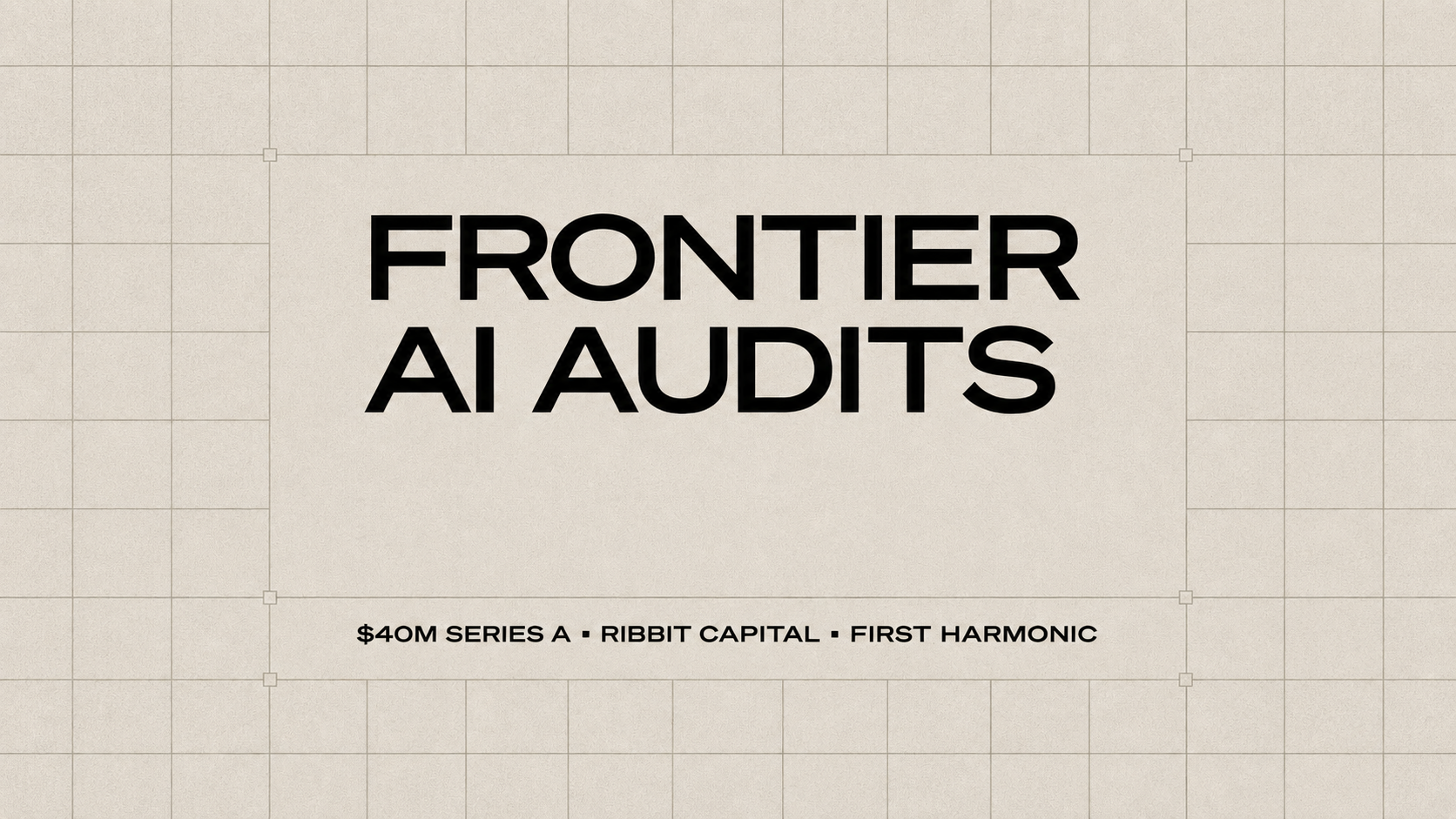
AIUC raised a $40 million Series A led by Ribbit Capital to start auditing frontier AI models, after previousl…
Factory announced it raised $200 million, backed by Blackstone, Khosla Ventures, Sequoia Capital, NEA and othe…
Salesforce launched Koa, a reasoning model built on Nvidia's Nemotron open-weights platform, and Claudeforce…
Google launched Gemini 3.8 Live and Gemini 3.8 Live Extended Thinking, its most advanced voice models yet, wit…