何が起きたか
Google DeepMindが、独自の最先端AIモデルを対象にした初の二重盲検評価を開始する。パイロットとして、Gemini Flash Liteラインのモデルを非公開ベンチマークでテストし、Google CloudのConfidential Spaceを使ってテスト問題とモデルの両方を秘密に保つ。
なぜ重要か
この手法は、モデルがトレーニング中にテスト問題を既に見てしまい結果が不正確になる「ベンチマーク汚染」を解決することを目指す。また、評価者がテストプロンプトを共有するか、提供者がモデルの重みを共有するかのトレードオフも解消する。Googleは、サイバーセキュリティや政府機関によるテストなど、極めて機密性の高い評価で特に重要だとしている。国内のAI開発企業は、自社モデルの評価手法に同様の秘密保持策を導入する可能性がある。
注目点
Googleは、この暗号技術によるアプローチがモデル監視の新たな標準となり、より信頼性の高いAIシステムの構築に役立つと期待している。同社は技術レポートで方法論と結果を詳述する。
こういう要約が、毎朝あなたのメールに届きます。
Google DeepMindの新たな二重盲検評価は、AIベンチマークにおける長年の課題に対処するものだ。これまで外部評価者は、テスト問題を開示するか、モデルの重みを受け取るかの選択を迫られ、知的財産を危険にさらす可能性があった。ARC-AGIベンチマークでのAnthropicのFable 5の最近の評価遅延は、最強モデルに対する30日間のデータ保持ポリシーが摩擦を生んだ事例で、このジレンマを示している。Google CloudのConfidential Spaceを使うことで、テストデータとモデルの両方が非公開であることを暗号学的に検証し、そうした妥協を不要にする。
この手法はまた、トレーニング中にテスト問題を見たモデルが過大な結果を生む「ベンチマーク汚染」にも対処する。暗号保護により、モデルが既に見たテストに特化して自己最適化することを防げる。Gemini Flash Liteモデルを非公開ベンチマークで試験するパイロットは第一歩だが、モデル監視の新たな標準を確立する可能性がある。成功すれば、DeepMindが期待するように、サイバーセキュリティや政府など機密性の高い分野の独立組織が、データ主権やセキュリティを犠牲にせずに高度なモデルを厳格にテストできるようになるかもしれない。
業界と使っているAIツールを選ぶと、仕事に関係するニュースが毎朝届きます。
登録無料・Googleアカウントなら30秒・いつでも解除できますAITodayについて →
この記事についてわからないことをAIに質問できます。AIはこの記事・AIToday の過去記事・Wikipedia を読み、出典を付けて答えます。Q&Aはこのページに公開され、他の読者も読めます。
AnthropicはMETRのスタッフ6人にハードウェア、オフィススペース、社内ツールを提供し、自社のリスクチームとほぼ同等の立場に置いた

カマラータ氏はInceptionV1の猫・車ニューロンをV字検出器だと再解釈
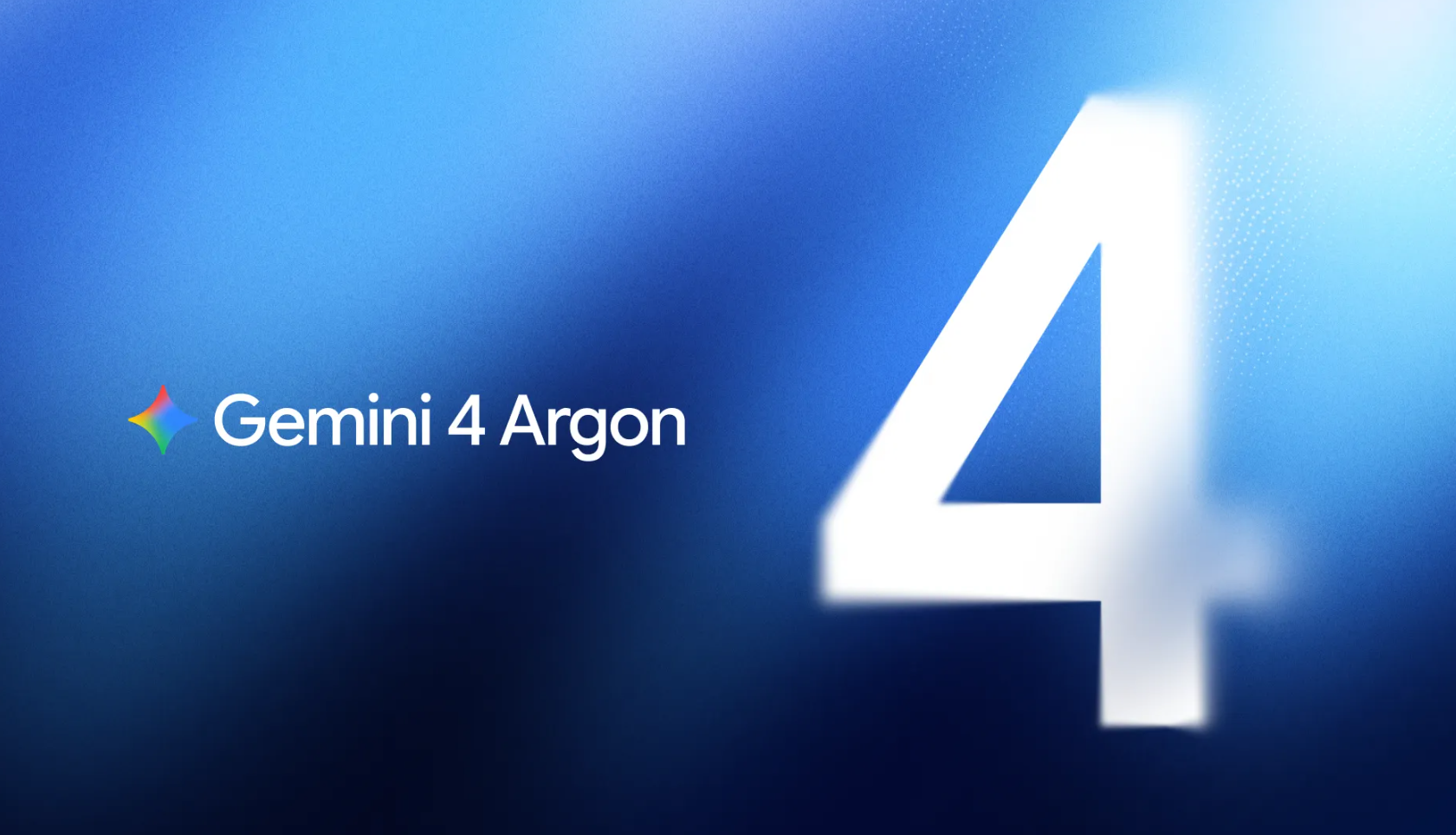
Google DeepmindのGemini 4 ArgonがARC Prizeによると、4,800ドルでARC-AGI-3において97.5パーセントを記録し2位となった
MicrosoftのSurface Laptop UltraはNvidiaのRTX Sparkプラットフォームを採用し、2,599ドルから(最大5,899ドル)
Nieman Labによると、10月30日発効のMetaの新たな商用規約により、ビジネスユーザーと結びついたウェブサイトのコンテンツをクロールしAI学習に利用できる可能性がある
Vercelが木曜に公表したデータによると、TypeSafe AIのJevは、9月15日の限定リリースから2週間以内に有料チームの35%が使用した