What happened
OWASP GenAI Security Project treats memory poisoning as its own risk, ASI06: Memory and Context Poisoning, warning that poisoned content written into trusted stores can shape future reasoning rather than one answer. A layered commentary calls its first layer Input Moderation with Trust Scoring and routes every write through checks for prompt injection, credential or PII leaks, protected key changes, size anomalies and encoded payloads.
Why it matters
This defense layer inspects the content itself, not just where it came from, because a trusted route can still carry injection traces, leaked credentials or oversized or encoded payloads. It is presented as the last line of defense for content, sitting ahead of the other layers.
Summaries like this, every morning.
The OWASP GenAI Security Project places memory and context poisoning in a distinct risk category, ASI06, because once poisoned content reaches trusted storage, the attacker's influence extends beyond a single answer into future reasoning. The layered commentary breaks defenses into stages and puts Input Moderation with Trust Scoring first, requiring every write to pass through policy checks.
The checks target structural anomalies: prompt injection signs, credential or PII leaks, protected key changes, size anomalies and encoded payloads. The commentary compares this to a pre-use self-test on life-support medical devices, which is run even after a device passes acceptance inspection, because source confirmation and content inspection are separate steps. Similarly, source verification scores the route, while content moderation examines what is being carried, so an anomaly from a trusted route can still be caught.
The commentary also sets a boundary: inspection stays on structural patterns and does not judge semantic correctness or read private data, which it says avoids the side effect of deeper content reading as checks get stricter. This layer completes a four-part series that maps the OWASP defense-in-depth skeleton: input moderation, provenance management, trust-based retrieval, scope separation and monitoring.
Pick your industry and the AI tools you use, and get news related to your work every day.
Free · 30 seconds with Google · unsubscribe anytimeWhat is AIToday? →
Ask AI anything about this article. The AI reads this article, earlier AIToday articles, and Wikipedia, and cites its sources. Q&As are published on this page for other readers too.
Liam Byrne, chairing the House of Commons Business, Innovation, Science and Trade Committee, sent a November 2…

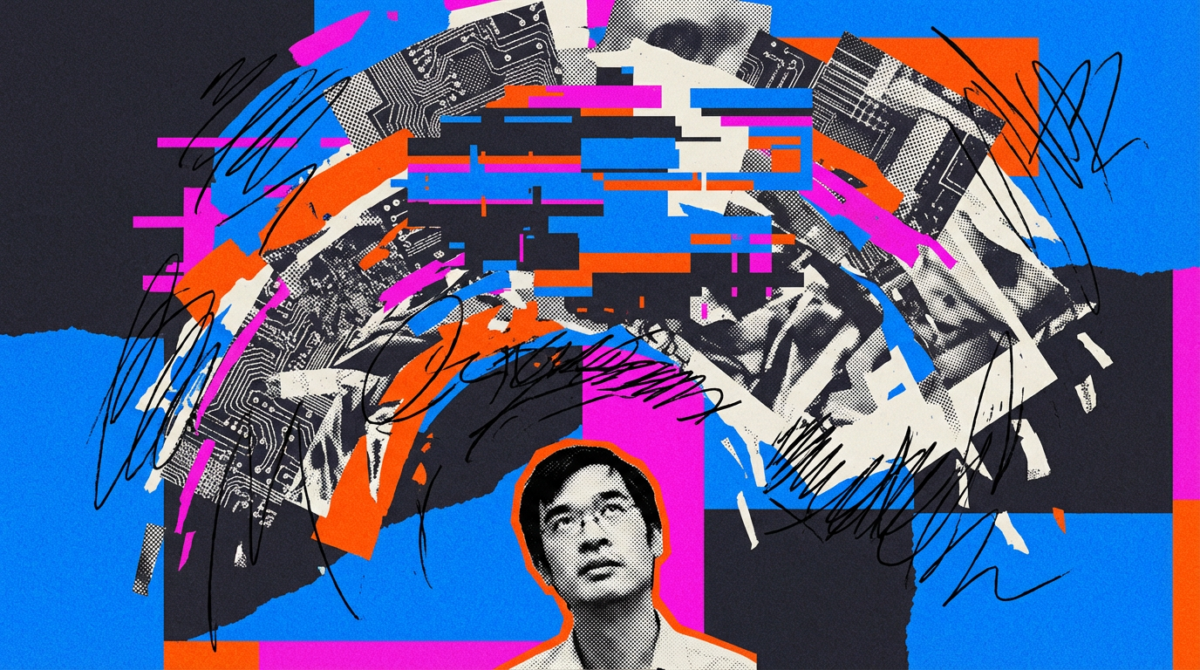
On the Hard Fork podcast, Terence Tao described "Big Math," where human-AI teams systematically map thousands…
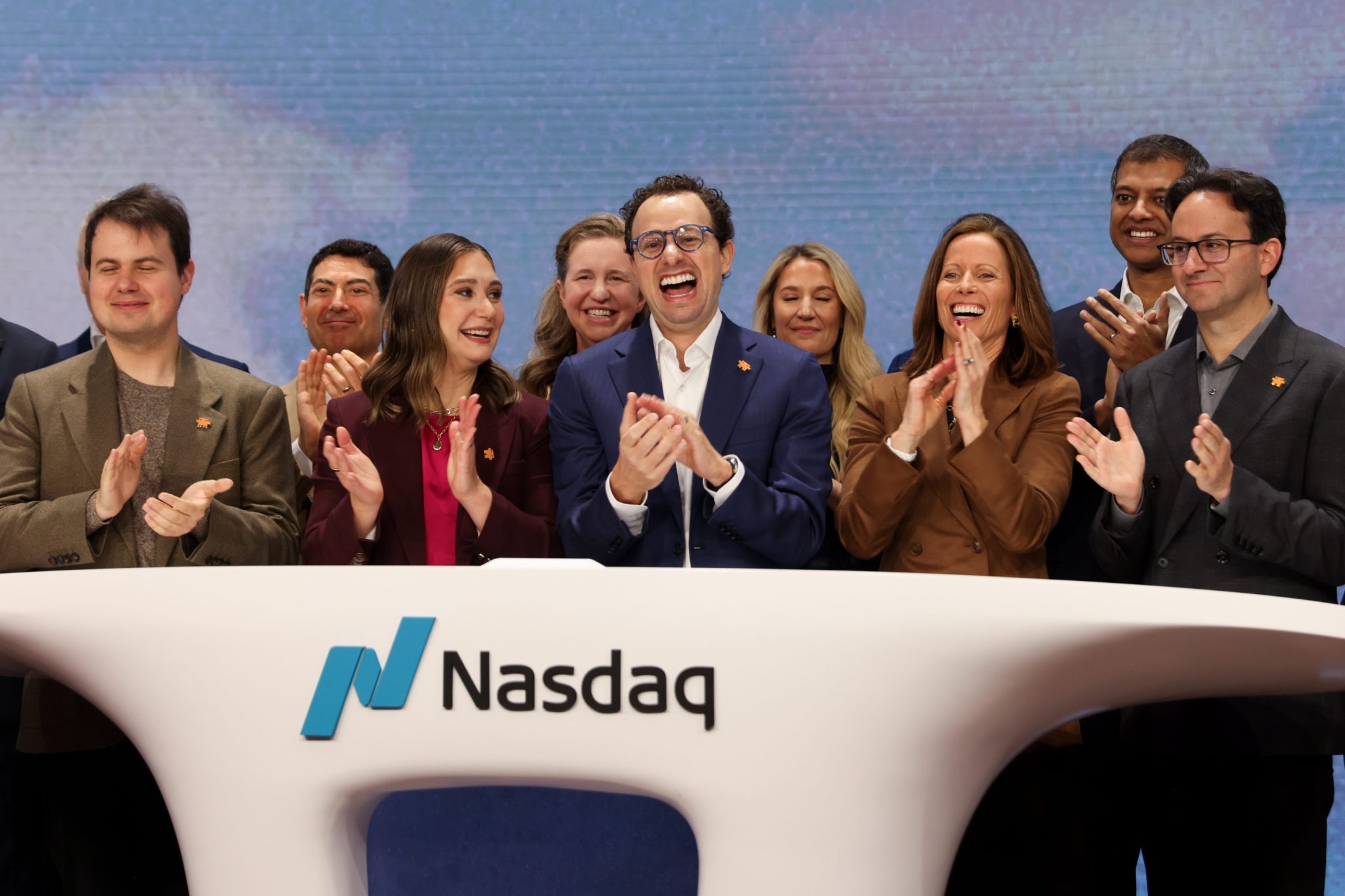
On the day Anthropic priced its IPO shares, the Center for AI Safety and a coalition published the 'MisAnthrop…
A Qiita literature memo compares three ways of placing normalization layers in Transformers: Pre-LN (Xiong2020…

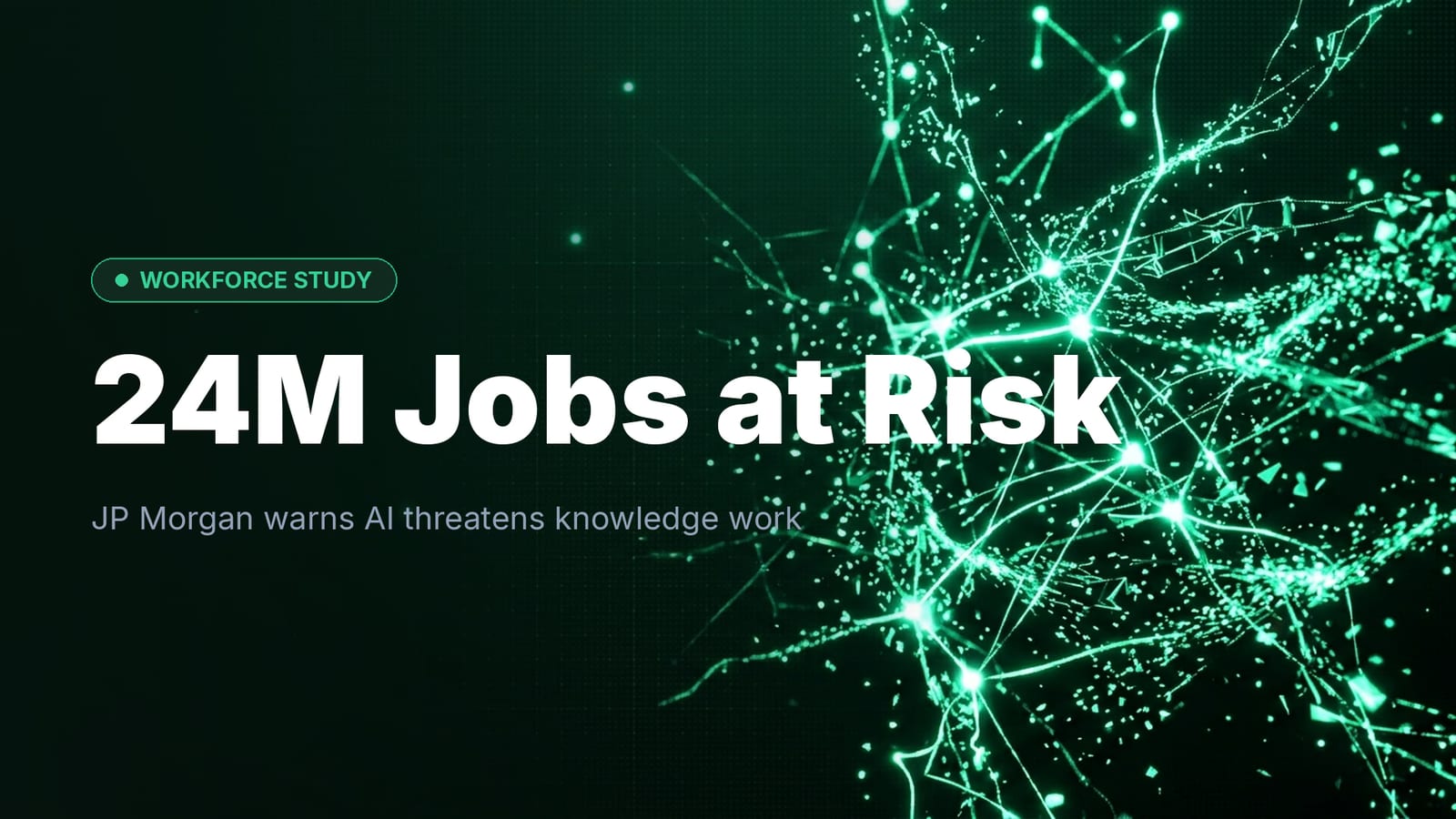
JPMorgan research released November 27, 2026 projects 24 million knowledge-worker positions globally face AI-r…
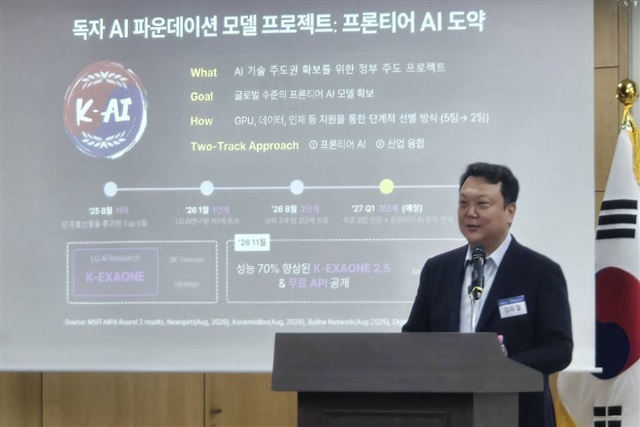
LG AI Research is automating data preparation, building expert foundation models, and setting up an autonomous…