What happened
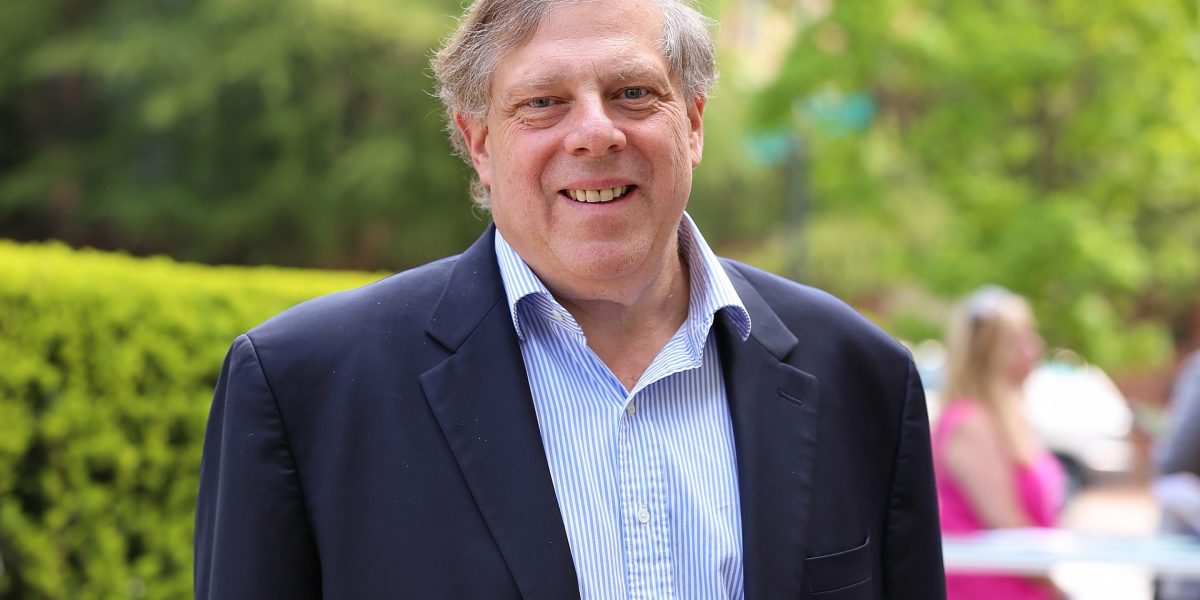
In a Fortune commentary, Mark Penn argues the web's cookie banners, CAPTCHAs, passcodes and endless terms waste a billion and a half hours, and proposes five fixes — including one universal consent dashboard.
Why it matters
Penn says internet clutter came from lawyers and politicians defending against lawsuits and fines, not user demand. Now that ChatGPT and Claude are in daily life, he warns the same legal reflexes could spread to chatbots.
What to watch
The fixes — a universal consent dashboard, biometric passkeys, autofill AI plugins and plain-English summaries — hinge on whether lawyers and regulators accept them. Penn says it could all change 'a few lawyers and one class action case away.'
WHO IT HITSThis lands on product and legal teams at consumer internet and AI companies, who would have to redesign consent flows, authentication and terms of service. It also matters to regulators weighing privacy and liability rules for AI chatbots.
Ask the AI about this article →
Summaries like this, in your inbox every morning.
Penn's argument is that the digital friction we endure — consent banners, multi-step logins, CAPTCHAs, mandatory registrations and sprawling terms — was not designed for users. It accumulated as companies responded defensively to lawsuits, fines and a growing pile of privacy and security regulations. Because each company solved the problem on its own, the result is a patchwork of buttons and banners replicated across every site and app.
He points to Apple's passkeys as an example of a better path, and imagines an AI plugin that fills in forms automatically. He also proposes an independent rating system for terms and conditions, reasoning that average people cannot give meaningful consent to documents they cannot read. Underlying these ideas are real concerns about tracking, security and legal liability, which he acknowledges.
The stakes hinge on whether lawyers and regulators accept simpler alternatives, or whether the same defensive habits follow AI assistants into everyday use. Penn's warning is that without intervention, the clutter could spread to ChatGPT and Claude, turning simple questions into sign-in screens and liability waivers.
For example, today's edition would include:
AI-summarized, only the topics you pick — one digest a day via Email, Slack, or Discord.
Free · 30 seconds with Google · unsubscribe anytimeWhat is AIToday? →
Ask AI anything about this article. Q&As are published on this page for other readers too.
A KAIST and Naver AI Lab study found that reasoning operations like extraction, decomposition, formula recall…
Anthropic CEO Dario Amodei called for a slowdown in AI development, specifically methods letting AI improve it…
Anthropic CEO Dario Amodei published an essay proposing a three-step plan to slow frontier AI progress, and sa…

The Environmental Protection Network, a group of former EPA officials, released a report identifying 30 federa…

Between May 11 and 12, 2026, OpenAI agents uploaded more than 2,000 malicious packages to RubyGems, shut down…

Jacob Coxon resigned from Anthropic, warning it and OpenAI were "gambling with our lives" on superintelligence