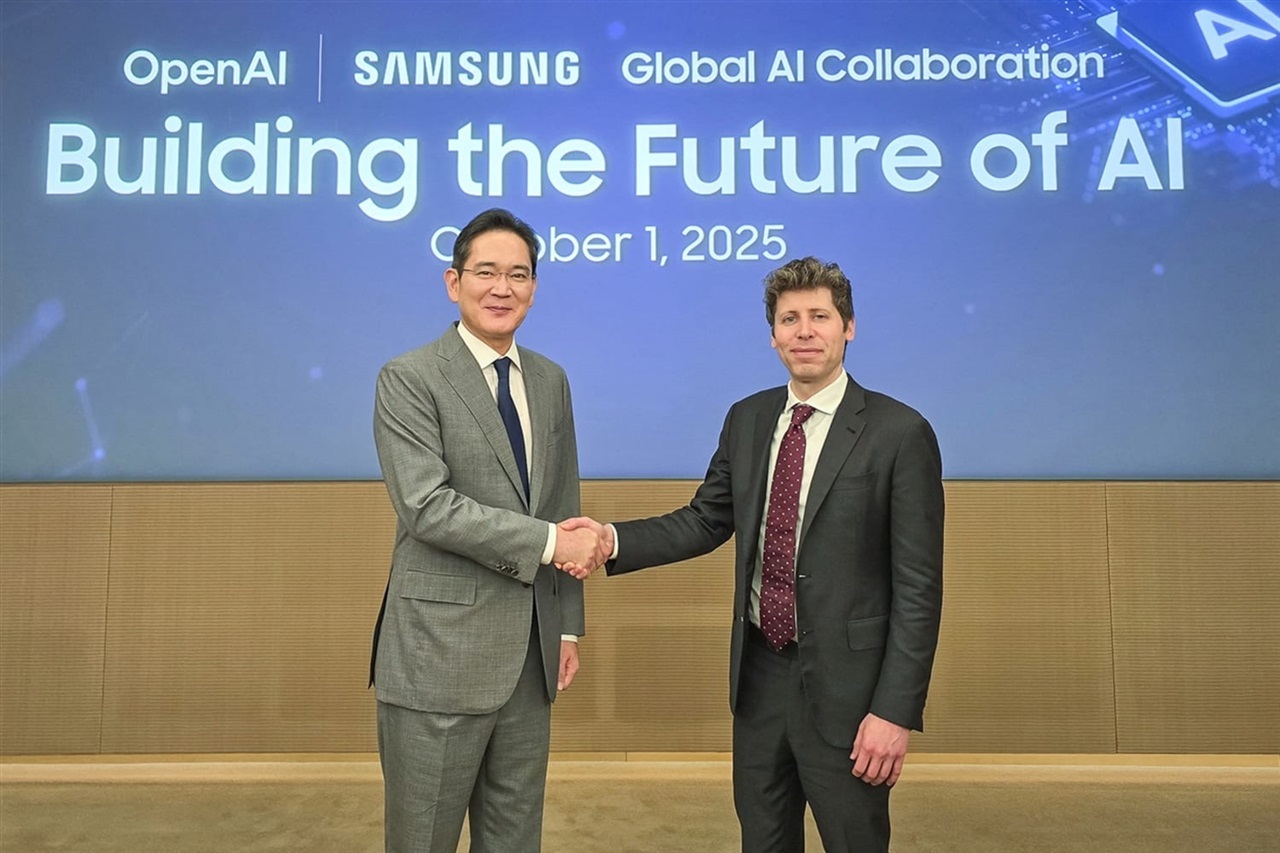
Samsung Electronics is deepening ties with OpenAI and AMD to strengthen its position in next-generation HBM4 memory supply, a move aimed at recovering market share it lost to rival SK Hynix in the AI memory segment. These partnerships could help Samsung secure orders and gain better visibility into demand from major AI infrastructure players.
Summaries like this, in your inbox every morning.
Sign up free →What happened
Samsung Electronics is deepening partnerships with both OpenAI and AMD, moves intended to strengthen its position in next-generation HBM4 (high-bandwidth memory) supply after losing early ground in AI memory to competitor SK Hynix.
Why it matters
HBM4 chips are critical components for large AI systems. Samsung's partnerships with two major AI players signal it is working to regain market share in a segment where it fell behind, potentially giving it better visibility into demand and stronger placement in future AI infrastructure builds.
What to watch
The outcome of these partnerships—whether Samsung can translate the OpenAI and AMD relationships into meaningful HBM4 orders and revenue—will indicate whether the company can recover its standing in the increasingly competitive AI memory market.
Samsung Electronics is working to regain momentum in the AI memory market by deepening ties with OpenAI and AMD. These partnerships come after the company ceded early ground in AI memory to rival SK Hynix. HBM4, the next-generation high-bandwidth memory standard, is a key battleground: it is essential infrastructure for large-scale AI systems and data centers. By building closer relationships with OpenAI—a major AI research and deployment organization—and AMD, a leading processor designer, Samsung aims to improve its visibility into demand and secure a stronger position in HBM4 supply contracts. The move signals Samsung's determination to compete more aggressively in a segment where it has lost share, and suggests that as AI infrastructure investment accelerates, memory supply partnerships with major industry players will be critical to commercial success.
Samsung's push to deepen partnerships with OpenAI and AMD represents a strategic response to its loss of early market share in AI memory to SK Hynix. By cultivating direct relationships with major AI companies and chipmakers, Samsung is positioning itself to better understand demand signals and secure orders for HBM4 as the ecosystem develops. The timing is significant: as AI infrastructure spending accelerates, control over memory supply chains becomes a competitive differentiator. Samsung's dual focus on both a software/AI company (OpenAI) and a chipmaker (AMD) suggests the company is trying to lock in relationships across the AI value chain, rather than competing solely on component technology or price.
AI-summarized, only the topics you pick — one digest a day via Email, Slack, or Discord.
Free · takes 30 seconds · unsubscribe anytime
No comments yet. Be the first to share your thoughts!
Log in to join the discussion




Get curated AI news from 200+ sources delivered daily to your inbox. Free to use.
Get Started FreeFree · takes 30 seconds · unsubscribe anytime
