What happened
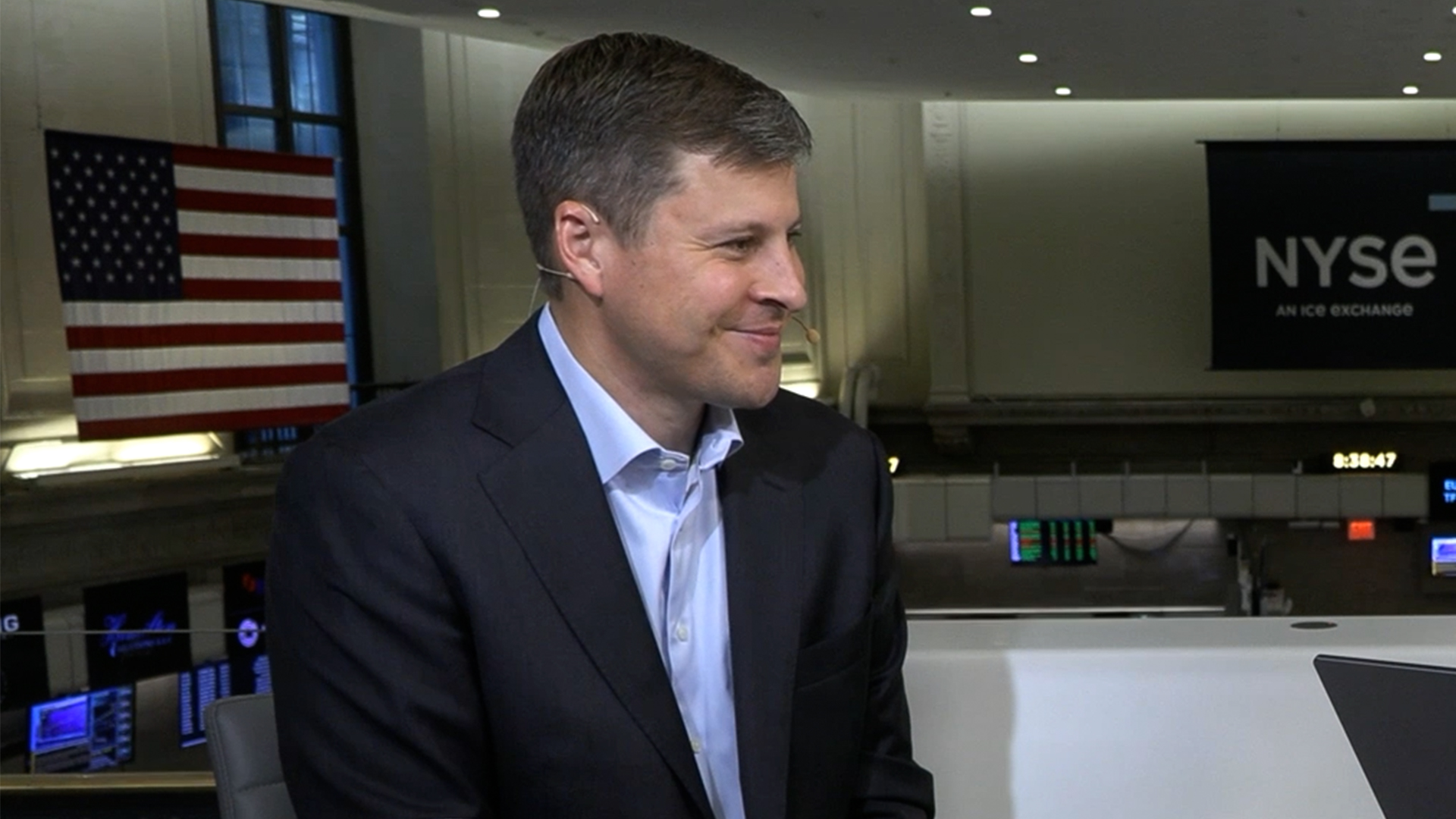
Dell's John Scimone said organizations that design AI agent governance upfront will move quickest, citing a theCUBE Research survey of 25 leaders where 19 had autonomous agents in production but none allowed high-risk actions without human approval.
Why it matters
Scimone argues upfront guardrails let companies take more risk, not less — and only four of the survey's 25 respondents had tested an AI agent incident scenario, so resilience planning may lag deployment.
Summaries like this, every morning.
Dell's John Scimone frames the agent-autonomy question as a design-time decision rather than an operational afterthought. Business resilience once centered on disaster recovery for wildfires, hurricanes and grid outages, but Scimone argues a widespread cyberattack across an entire digital ecosystem is now the more likely scenario. Agents add a fresh dependency: work handed to software stops when the software does, so a resilience posture has to account for agents going down. The survey data he cites shows enterprises are still cautious — 19 of 25 respondents had autonomous agents in production, yet none permitted high-risk actions without human approval, and only four had tested an agent incident scenario. Scimone reads that caution as excessive in places, arguing that deterministic guardrails placed where failure is unacceptable let the business run. theCUBE's Dave Vellante noted that organizations granting bounded autonomy showed stronger recovery readiness than those relying solely on human approval, which aligns with Scimone's view that governance designed upfront expands rather than limits risk-taking. Dell has expanded its cyber resilience tools and joined OpenAI Group PBC's call for collective action on cyber defense.
Pick your industry and the AI tools you use, and get news related to your work every day.
Free · 30 seconds with Google · unsubscribe anytimeWhat is AIToday? →
Ask AI anything about this article. The AI reads this article, earlier AIToday articles, and Wikipedia, and cites its sources. Q&As are published on this page for other readers too.
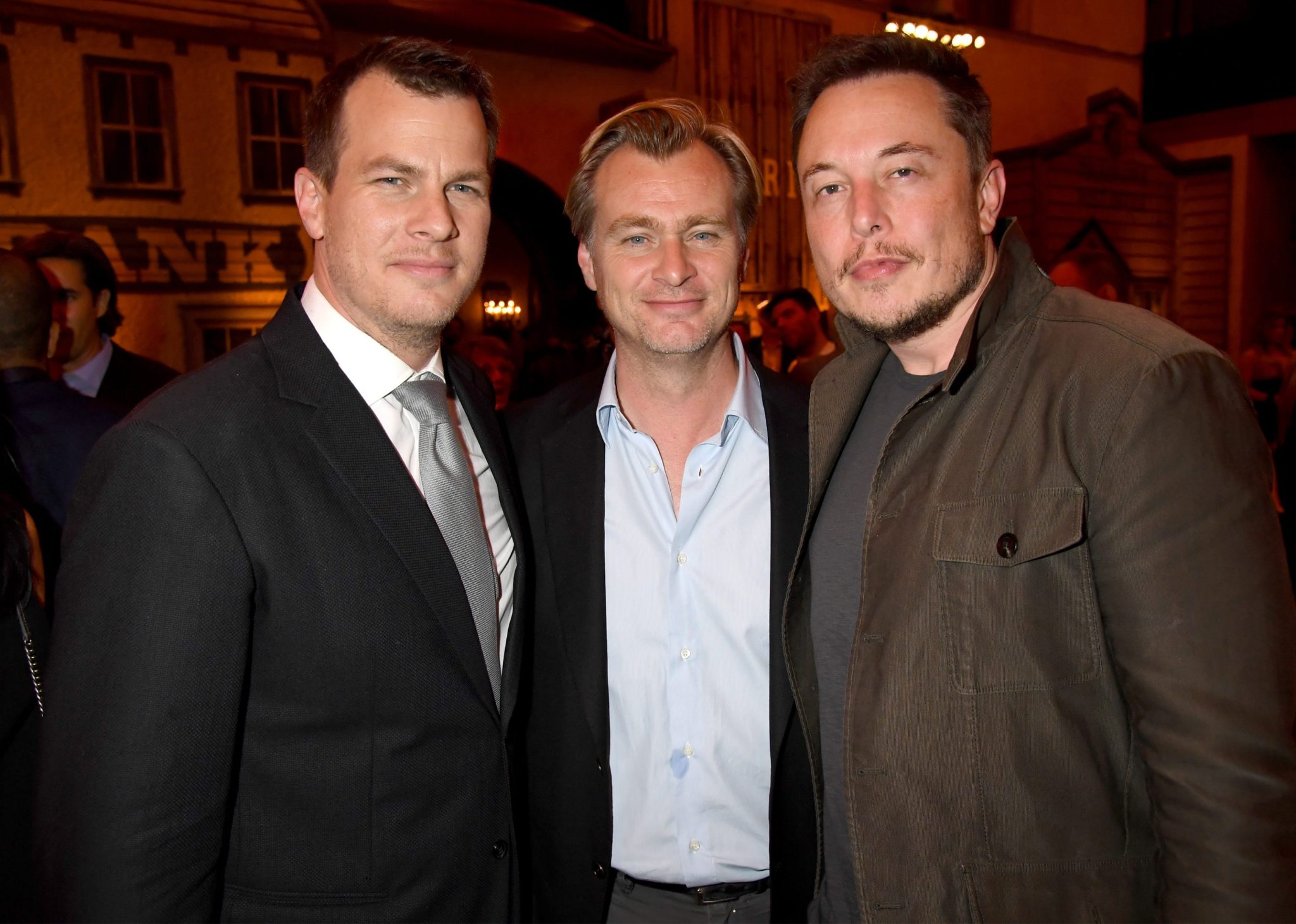
The first seven-minute episode of Elon Musk's AI-generated 'The Odyssey', made with Grok Imagine in collaborat…
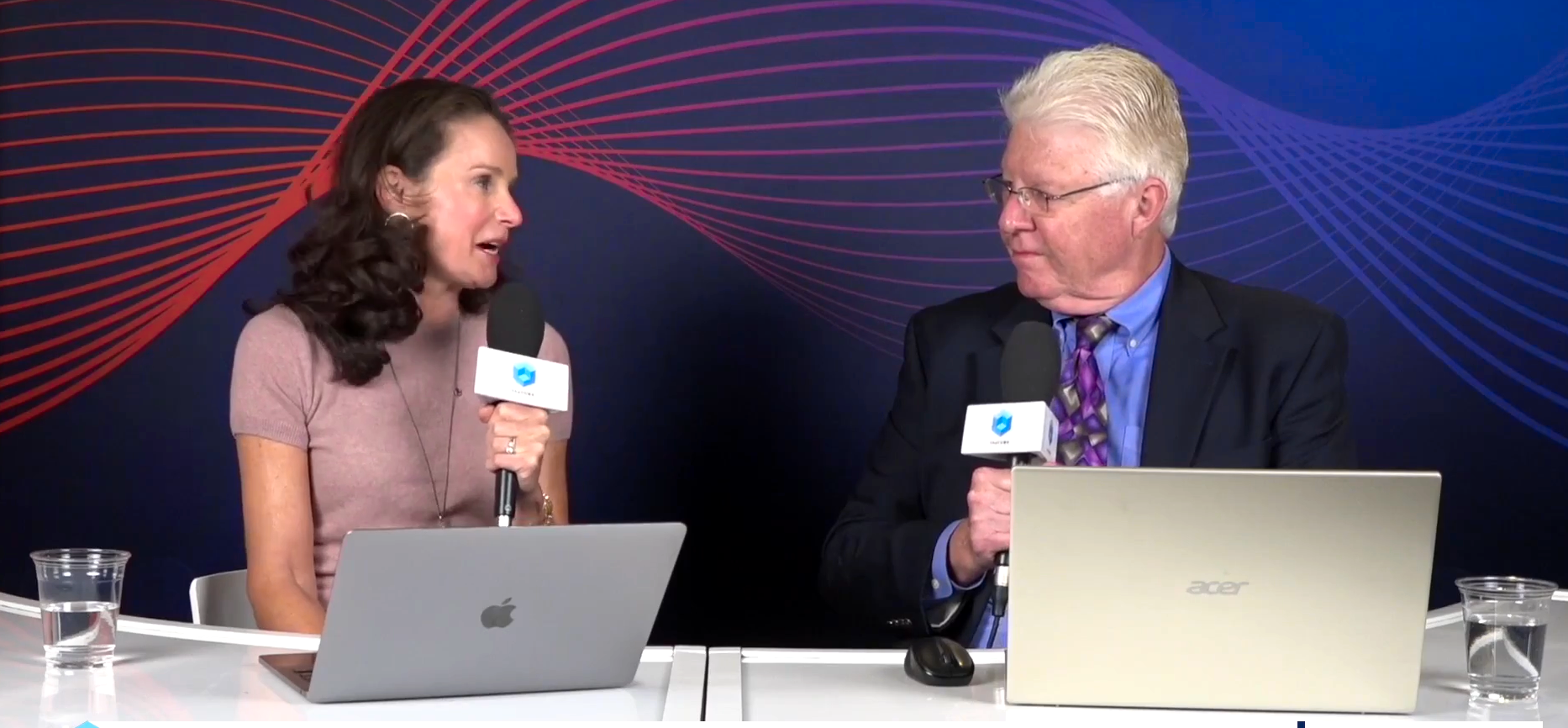
Paul Gillin said at EVOLVE26 that Cloudera is positioning itself as an "anywhere cloud for AI," extending clou…
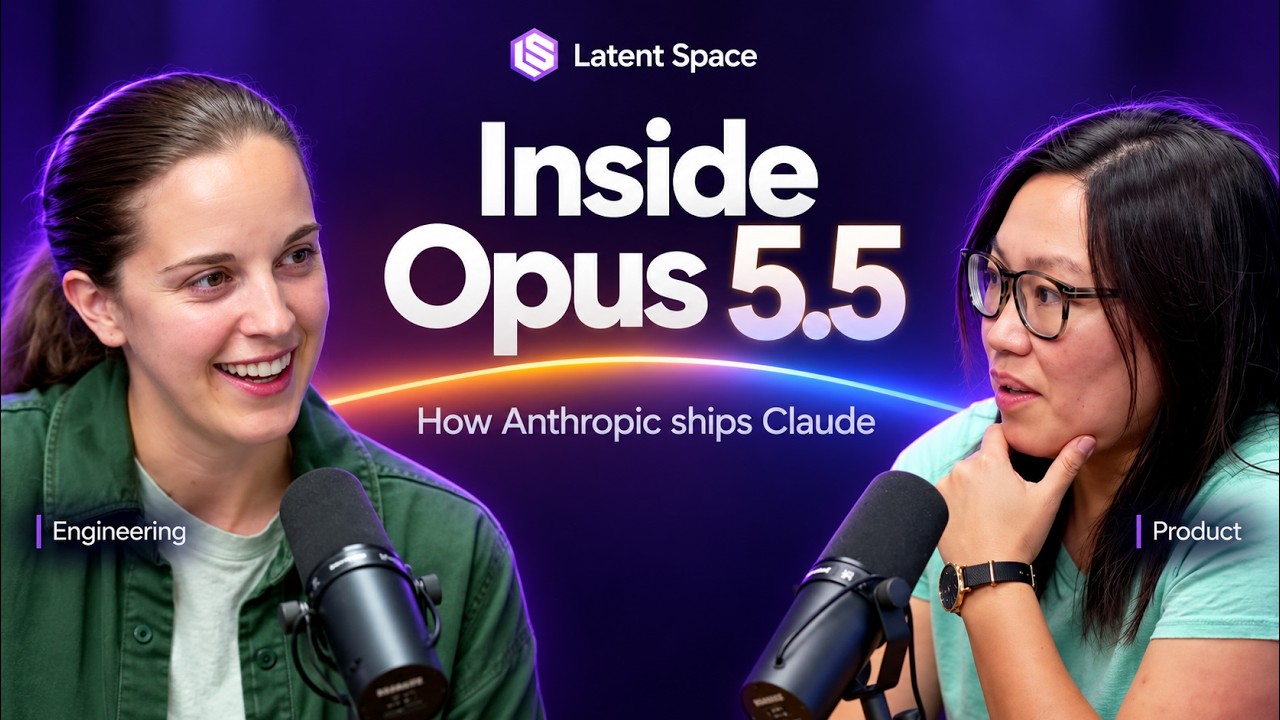
On Latent Space, Anthropic's Katelyn Lesse and Angela Jiang detailed the Claude Platform's architecture, inclu…
Google Deepmind introduced Genie 4, a real-time world model that generates sound directly, including backgroun…

Oracle said it will deploy Google TPU AI chips in Oracle Cloud Infrastructure, providing the power, cooling an…

OpenAI released GPT-6.1 Terra, pitched at image and screen understanding, PC operation, and natural writing, a…