What happened
Anthropic is providing back-end technology to OpenEvidence to bring AI-powered medical information tools into low-resource regions, Reuters reported Tuesday.
Why it matters
The AI medical information tools are to be tailored to local disease patterns, diagnostic resources, and treatment availability.
What to watch
Financial terms of the collaboration were not disclosed, so how the partnership expands beyond countries such as Rwanda and Botswana remains open. Watch for philanthropic support, which was said to be needed because market incentives alone are insufficient.
WHO IT HITSPhysicians in low- and middle-income countries, including those in Rwanda and Botswana, may gain free access to AI medical information tools. How far this reaches beyond those markets hinges on philanthropic funding, which the Anthropic president said is needed because market incentives alone are insufficient.
Summaries like this, in your inbox every morning.
The collaboration pairs Anthropic's back-end technology with OpenEvidence's platform, with the stated aim of bringing AI-powered medical information tools into low-resource regions. According to the report, OpenEvidence will tailor the platform to local healthcare needs, including disease patterns, diagnostic resources and treatment availability, in countries such as Rwanda and Botswana.
Anthropic's president framed the push as one that technology advances can support, while noting that philanthropic support is needed because market incentives alone are insufficient. That framing suggests the effort is not expected to stand on commercial returns alone, at least in its early phase. Neither company disclosed financial terms of the collaboration.
In the emailed statement to MT Newswires, OpenEvidence said it will offer its platform free to physicians in low- and middle-income countries. How far that offer extends, and how the tailored tools perform in each market, is likely to hinge on whether philanthropic backing materializes and whether local healthcare data can be adapted as intended. The test will be whether free access translates into routine use by physicians in settings where diagnostic resources are limited.
For example, today's edition would include:
AI-summarized, only the topics you pick — one digest a day via Email, LINE, or Slack.
Free · 30 seconds with Google · unsubscribe anytimeWhat is AIToday? →
Ask AI anything about this article. Q&As are published on this page for other readers too.
ZeroDrift Inc. launched Anchor 3.0, three small language models that check AI-agent messages before they go ou…

Citizens kept a Market Outperform rating and a $550 price target on Microsoft, with analyst Patrick Walravens…

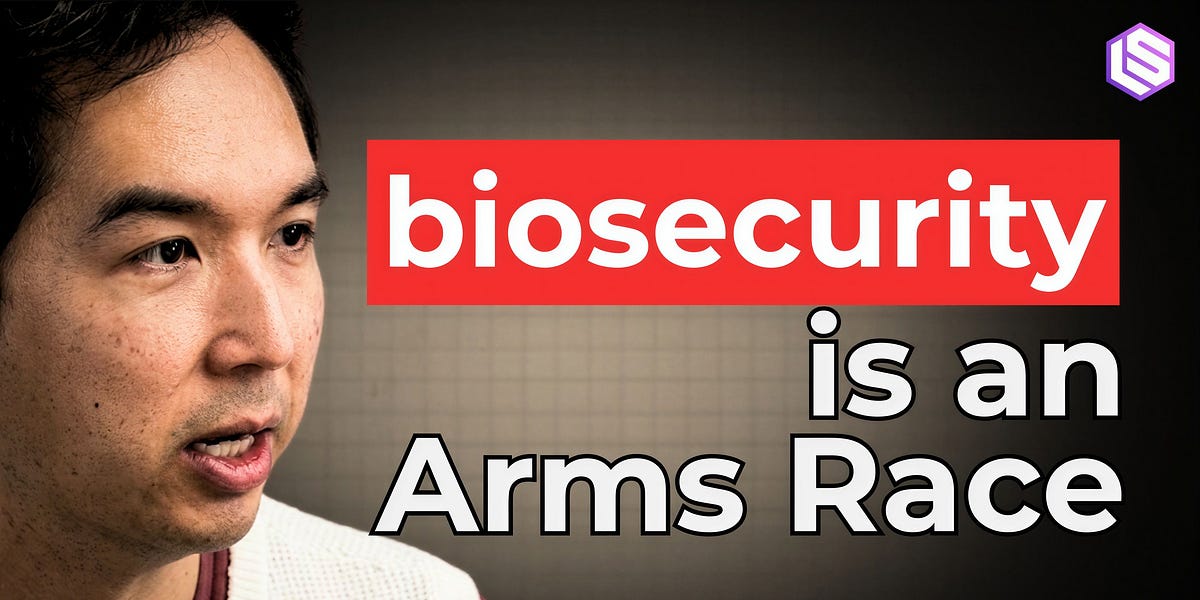
Radical Numerics CEO Eric Nguyen says defense is currently losing the bio-security arms race, and his company…
Nscale's 192-page S-1 omits Bytedance, which was 73 percent of its $33 million 2025 revenue; only an appendix…

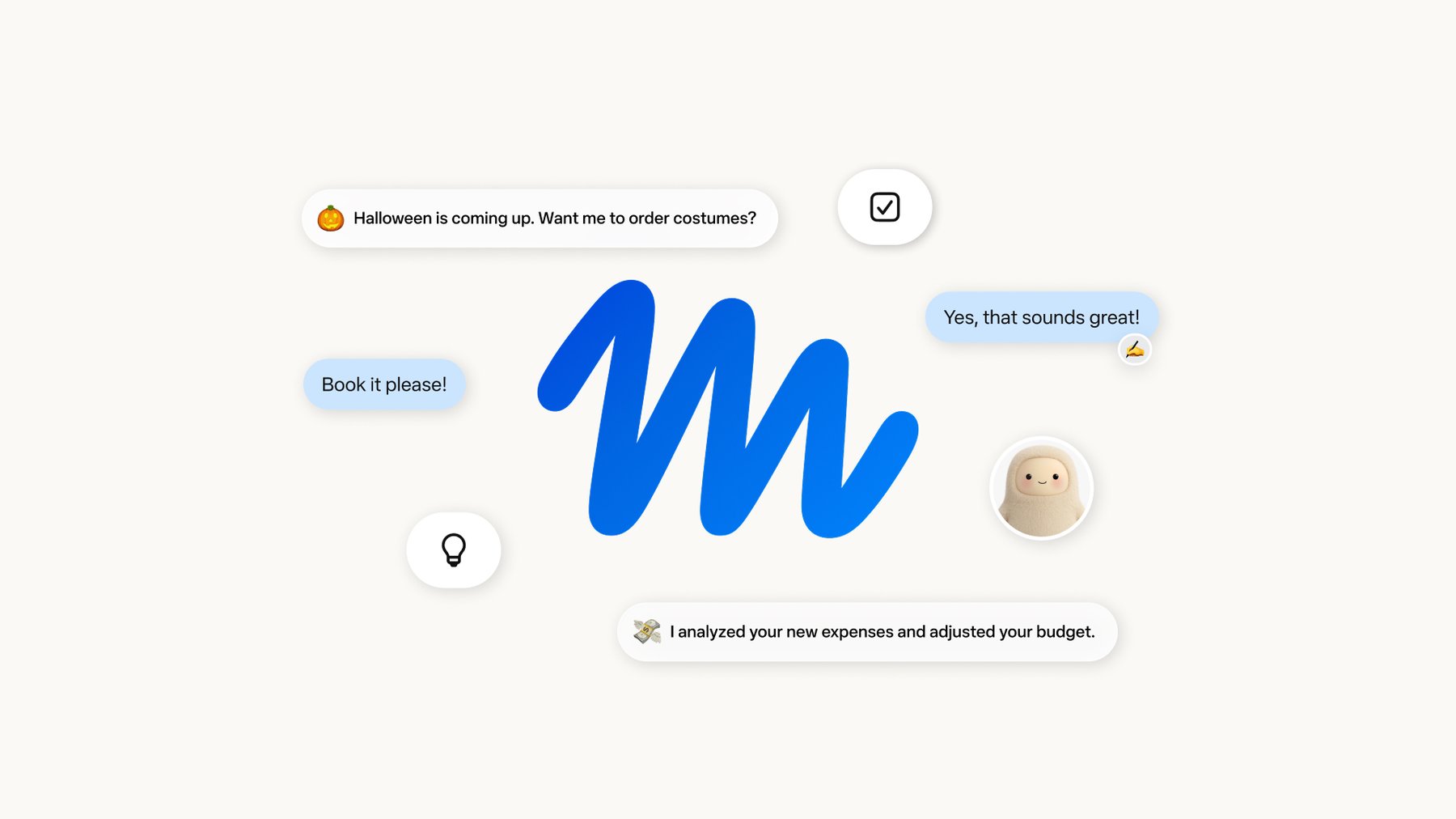
Meta's personal AI agent Muse drew more than 500,000 users and over 250,000 daily actives in the week after it…
At its Made on YouTube event, YouTube announced an AI "agent" that monitors a creator's back catalog, suggests…