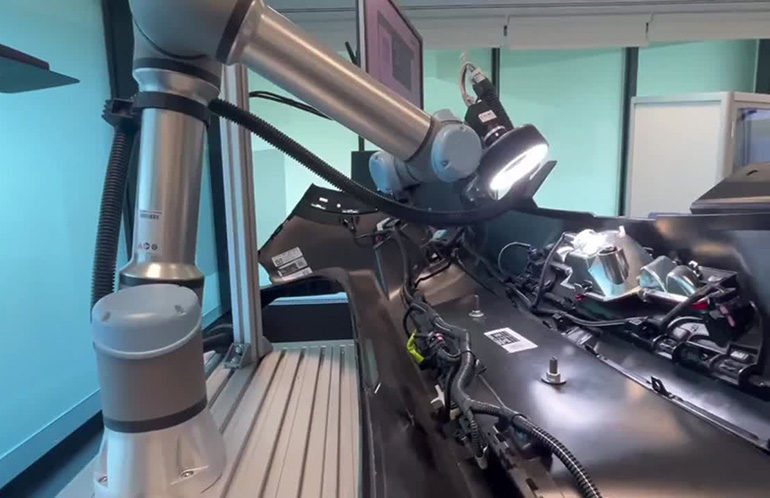
GFT Technologies SE deployed a three-robot system along factory assembly lines: the first uses a camera to inspect components for defects in real time; the second marks defective parts; the third physically removes marked parts from the line or repositions misaligned components. One large U.S.-based auto manufacturer has begun using this technology across its operations.
The system integrates AI agents that analyze inspection images and other datasets to identify not just defects but their root causes, enabling proactive preventive measures. Photos from inspections are automatically sent to the cloud for storage and later review to improve the system over time.
GFT stated that a single recalled vehicle can cost manufacturers upward of $500 per unit to remediate. The company positions this solution as closing the gap between detecting problems (insight) and acting on them (removal) at assembly-line speed, eliminating delays that previously required human workers to intervene.
Summaries like this, in your inbox every morning.
Pick your industry and the AI tools you use, and get news related to your work every day.
Free · 30 seconds with Google · unsubscribe anytimeWhat is AIToday? →
Ask AI anything about this article. The AI reads this article, earlier AIToday articles, and Wikipedia, and cites its sources. Q&As are published on this page for other readers too.
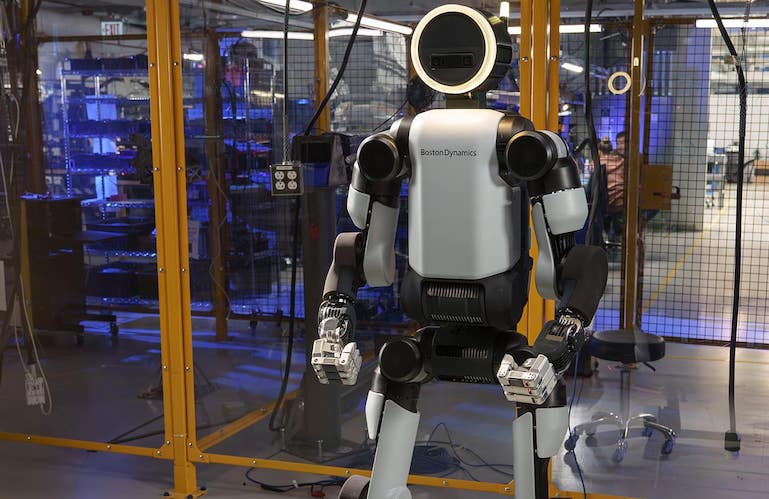
Boston Dynamics' Atlas, now all-electric and running on NVIDIA chips, autonomously sorts roof racks at Hyundai…
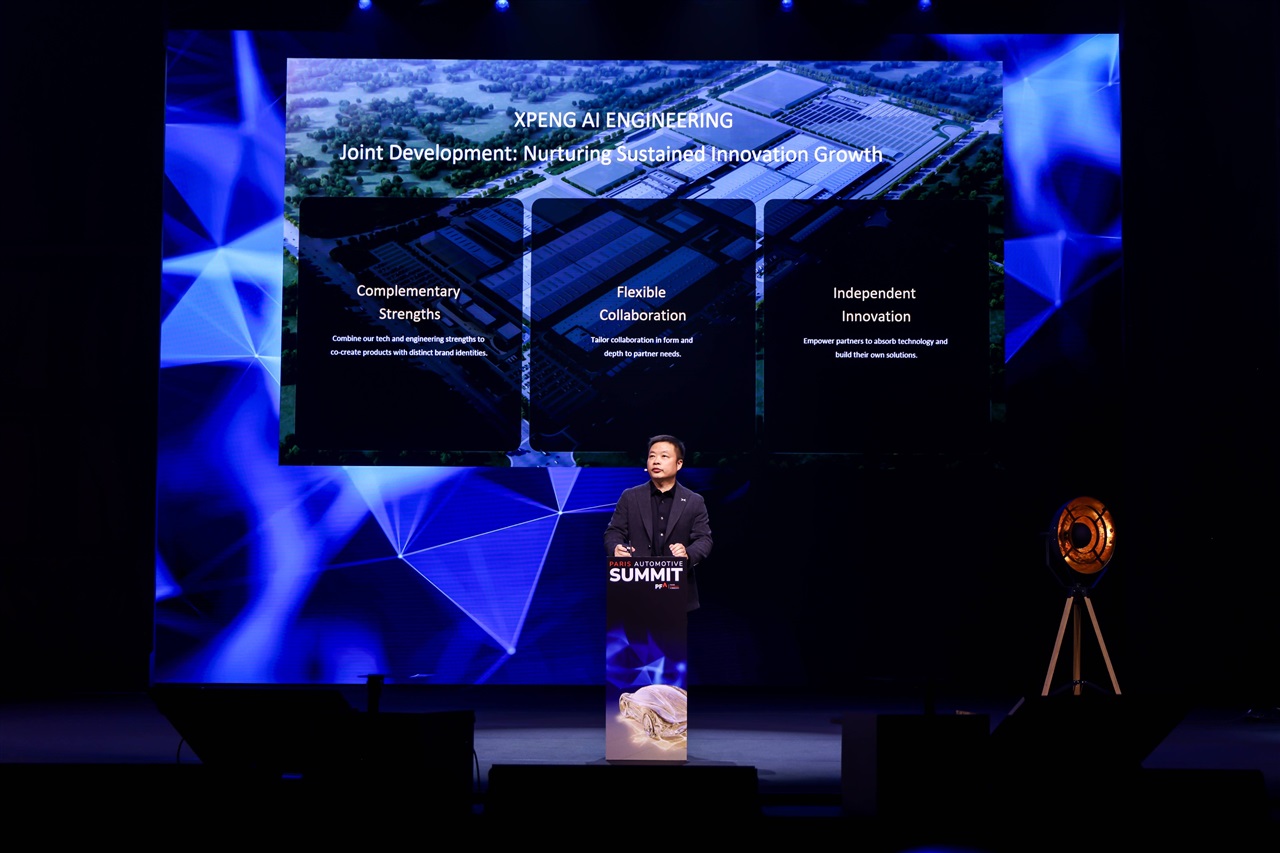
XPeng appeared at the Paris Automotive Summit, presenting not only automotive expertise but a broader technolo…
AIBotics completed its acquisition of NovaCore Labs' operating assets from PlayJamaica Limited, gaining 10 ser…

In an internal test, Google DeepMind robotics researchers instructed Gemini 4 Argon to watch a video of a huma…
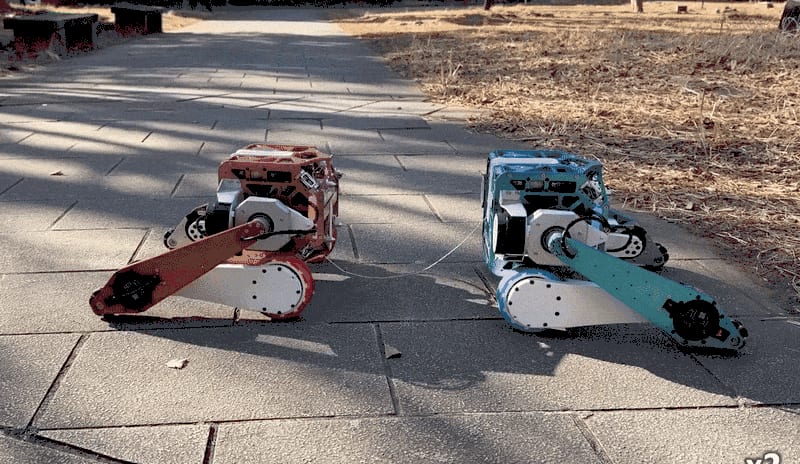
Amulya Vishwanath, who spent seven years leading product marketing for Nvidia's robotics platforms, says robot…

Claire interviewed Rika Antonova of the University of Cambridge on the Robot Talk podcast about using AI to de…