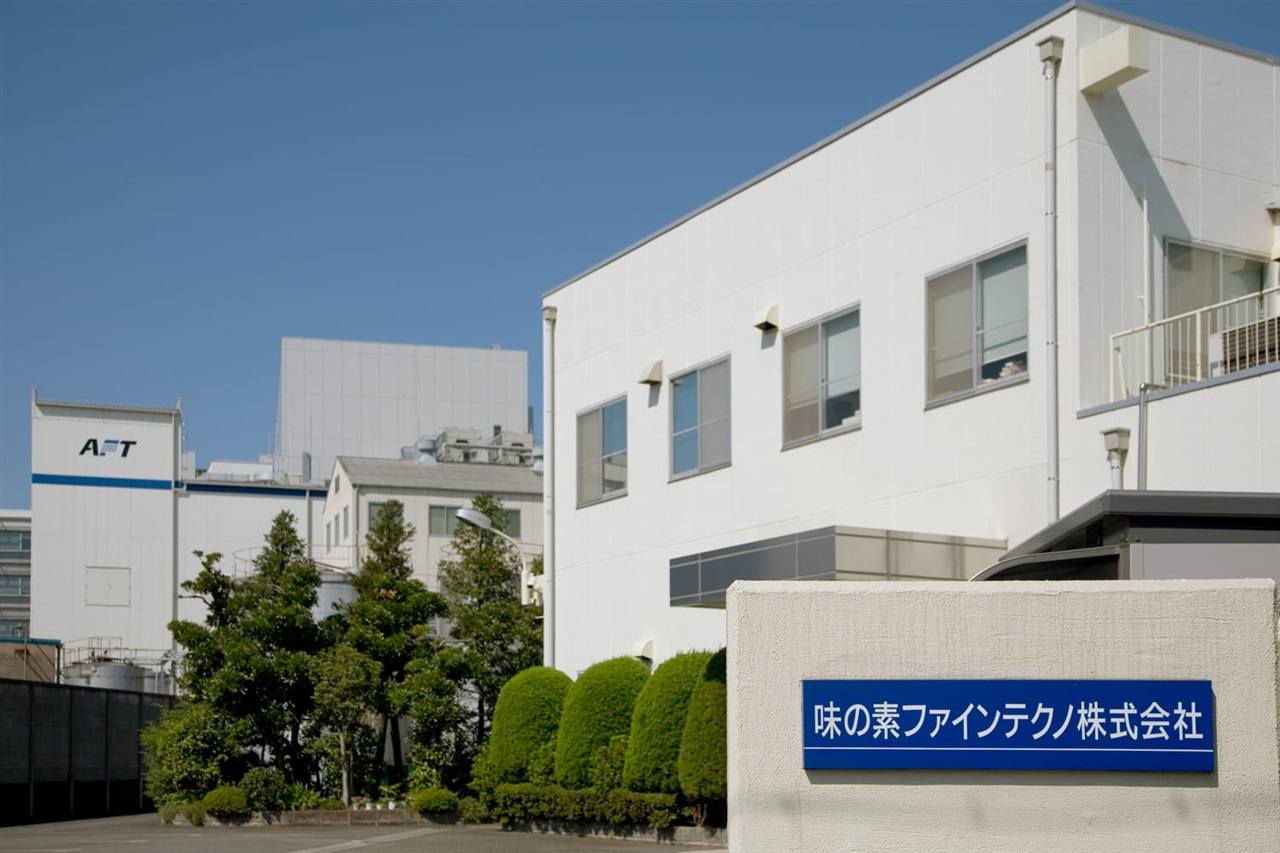
Ajinomoto, a major manufacturer of semiconductor packaging materials, raised its full-year earnings forecast on August 6 as demand for AI servers and high-performance computing surged.
The company's Ajinomoto Build-up Film (ABF) and other electronic materials are critical inputs to advanced semiconductor packaging, a process that is capturing an increasing share of the value in chip production.
What happened
Ajinomoto raised its full-year forecast on August 6, driven by growing demand for AI servers and high-performance computing that has lifted sales of electronic materials used in semiconductor package substrates.
Why it matters
The shift reflects how advanced packaging—the process of assembling and connecting semiconductor chips—is becoming a more valuable part of the chip supply chain, benefiting material suppliers like Ajinomoto whose products are essential to this process.
What to watch
The forecast revision signals sustained momentum in AI infrastructure buildout, which depends on advanced packaging materials to handle the power and thermal demands of next-generation AI chips.
Ajinomoto Fine-Techno, the division of the Ajinomoto Group responsible for manufacturing Ajinomoto Build-up Film (ABF) and other electronic materials, announced a full-year forecast increase on August 6. The revision was driven by surging demand for materials used in semiconductor package substrates, a consequence of rapid growth in AI servers and high-performance computing deployments. As AI accelerator chips and related hardware scale globally, the packaging technologies that integrate, cool, and interconnect these chips have become a critical bottleneck and value driver. Ajinomoto's electronic materials, particularly ABF, serve as essential inputs to these advanced packaging processes, positioning the company to benefit as this layer of the supply chain captures more economic value relative to raw wafer production.
The article captures a structural shift in semiconductor value creation: as AI and high-performance computing demand accelerates, the packaging and assembly layer of chip production—long considered a commodity step—is becoming increasingly sophisticated and valuable. Ajinomoto's forecast raise reflects this trend directly. The company's core material, Ajinomoto Build-up Film, is a critical enabler of advanced packaging architectures that can handle the thermal and electrical demands of dense, powerful AI chips. This positioning makes Ajinomoto a beneficiary of the broader AI infrastructure buildout, where packaging constraints (not just raw compute power) increasingly determine system performance and cost.
AI-summarized, only the topics you pick — one digest a day via Email, Slack, or Discord.
Free · takes 30 seconds · unsubscribe anytime
Ask AI anything about this article. Q&As are published on this page for other readers too.
Tech companies are raising unprecedented sums for AI infrastructure—$194 billion so far in 2026 by just four f…

Nvidia has partnered with Apollo, BlackRock, Blackstone, Brookfield, Goldman Sachs, and KKR to raise $500bn in…
Nvidia has signed letters of intent with Apollo, BlackRock, Blackstone, Brookfield, Goldman Sachs, and KKR to…

Anthropic has signed the EU AI Act Code of Practice and will embed invisible watermarks in Claude-generated te…

Anthropic has agreed to pay $9.1 billion over 20 years to Riot Platforms Inc., a Bitcoin miner turned data cen…

Samsung is accelerating efforts to qualify its Taylor, Texas fabrication plant for 2-nanometer chip production…

The AI news that matters, in one minute each morning.
Sign up free