What happened
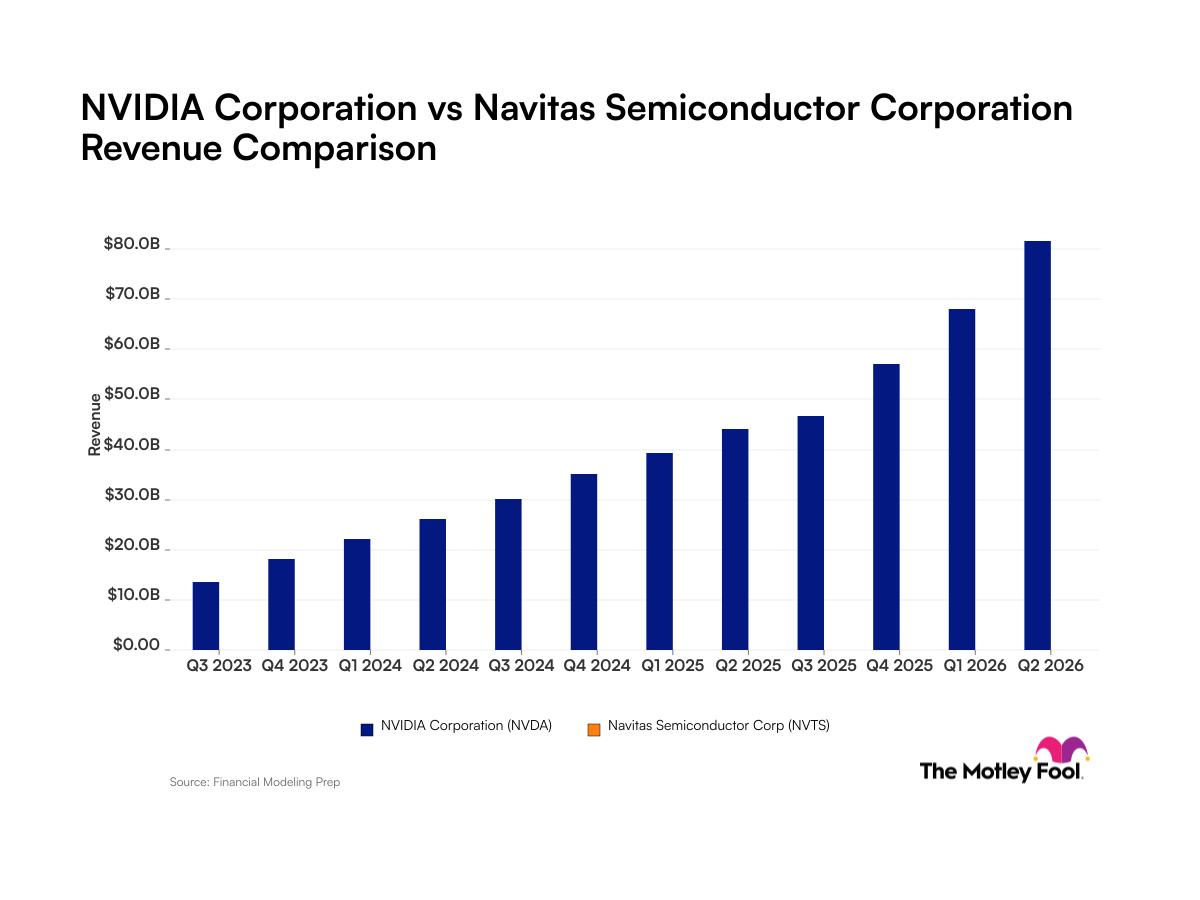
Nvidia reported $81.6 billion in quarterly revenue for the period ended April 2026, with management forecasting $91 billion for the next quarter. Navitas Semiconductor, after a strategic pivot away from its mobile and consumer business in China last year, posted $10.5 million in Q2 2026 revenue—an upward trend reversing the 2025 decline—and forecasts $13.5 million for Q3 2026.
Why it matters
Nvidia's consistent quarter-over-quarter growth reflects strong customer demand for AI semiconductors, while Navitas's turnaround validates its decision to exit the China market (which had accounted for 60% of sales in 2024) and refocus on AI products. For investors, these trends signal which companies are capturing AI market opportunity and which are successfully repositioning.
What to watch
Navitas's Q3 2026 forecast of $13.5 million in revenue—if achieved, it would mark three consecutive quarters of growth and confirm the success of its AI strategy shift. Nvidia's $91 billion next-quarter guidance will indicate whether AI chip demand continues accelerating.
Summaries like this, in your inbox every morning.
Nvidia and Navitas Semiconductor represent two divergent paths within the AI semiconductor market. Nvidia has maintained consistent upward momentum, with quarterly revenue growing from $30.0 billion in Q3 2024 to $81.6 billion in Q2 2026—a trajectory that reflects the company's success in capturing enterprise demand for graphics processing units and accelerated computing hardware. Management's forecast of $91 billion for the next quarter suggests this acceleration is expected to continue. Navitas Semiconductor, by contrast, faced a strategic inflection point. The company's decision to exit its mobile and consumer business in China—historically its largest revenue source at 60% of 2024 sales—triggered a sharp decline through 2025, bottoming in Q4 of that year. However, the body's data shows a reversal beginning in Q1 2026 ($8.6 million) and continuing into Q2 2026 ($10.5 million). This recovery, combined with management's Q3 forecast of $13.5 million, suggests the pivot toward artificial intelligence products is validating the company's strategic shift. For investors, these trends illustrate how companies positioned squarely in AI infrastructure (Nvidia) are scaling rapidly, while those transitioning from legacy markets to AI (Navitas) face near-term pain but may be positioning themselves for longer-term opportunity.
For example, today's edition would include:
AI-summarized, only the topics you pick: one digest a day via Email, LINE, or Slack.
Free · 30 seconds with Google · unsubscribe anytimeWhat is AIToday? →
Ask AI anything about this article. The AI reads this article, earlier AIToday articles, and Wikipedia, and cites its sources. Q&As are published on this page for other readers too.
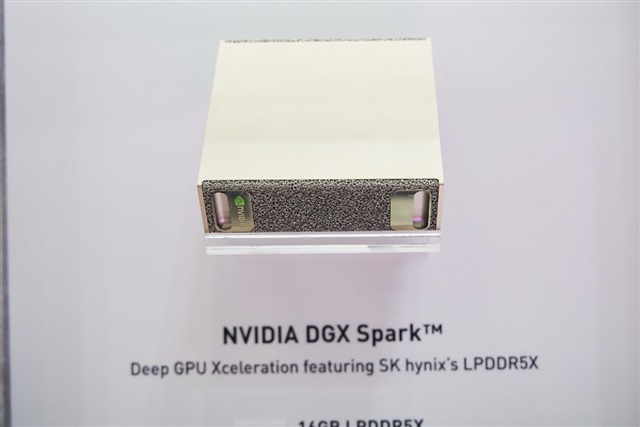
Nvidia's DGX Spark, launched at CES 2025 as Project DIGITS, began shipping in October, with VP Adel El Hallak…
Stagwell CEO and former Microsoft Chief Strategy Officer Mark Penn told Yahoo Finance that most modern digital…

Anthropic CEO Dario Amodei dined with President Donald Trump at the White House, even as the Pentagon continue…

Hera Hyeonseo Lee said workers are using their deferred wages to finance the AI designed to eliminate their jo…

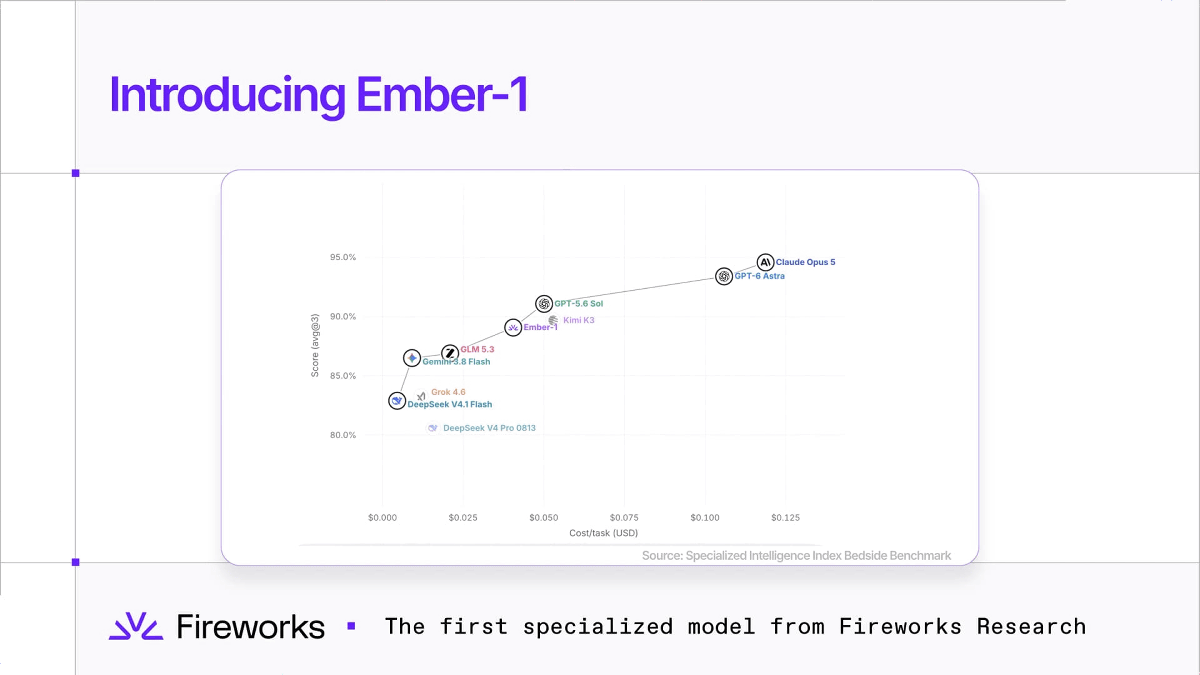
Fireworks AI announced Ember-1, a Kimi K3-based model built for its project to create specialized models devel…
Dymocks Education is closing its classrooms and urging parents to use ChatGPT or Gemini instead, with CEO Mark…