Microsoft disclosed that $24.1 billion of its AI revenue during the past year came from OpenAI, representing roughly 70% of its total AI business.
However, much of that figure is OpenAI's own cloud computing costs billed through Microsoft's Azure and counted as Microsoft revenue, rather than new sales.
An internal memo also revealed Microsoft is directing its own engineers to use OpenAI's models to extract more value from its token rights, underscoring how heavily Microsoft's AI growth depends on its partnership with OpenAI despite spending over $260 billion on capital projects and building its own models.
What happened
Microsoft disclosed $24.1 billion in revenue from OpenAI during the year to June, with Bloomberg estimating OpenAI represents roughly 70% of Microsoft's total AI business. The figure was revealed in a filing last week and marks the first time Microsoft has spelled out the number explicitly.
Why it matters
Much of that revenue is not new sales but OpenAI's own cloud computing costs routed through Microsoft's Azure platform and booked as Microsoft income. An internal memo from Jay Parikh, who runs Microsoft's CoreAI engineering group, instructed staff to default to OpenAI's GPT-5.6 Sol model in GitHub Copilot to extract more value from Microsoft's token investment. The reliance undercuts Microsoft's years of effort and hundreds of billions in spending to build independent AI capabilities.
What to watch
Analysts are divided on whether the concentration is strength or fragility. KeyBanc's Jackson Ader flags the question of whether revenue comes from services sold to OpenAI or Microsoft's own investment value. Skeptics like writer Ed Zitron argue much of the AI revenue is OpenAI's compute bill relabeled as growth, leaving Microsoft exposed if OpenAI falters—though the AI unit continues growing fast.
Microsoft's shares climbed after earnings last week on the back of strong AI business growth, but a regulatory filing released alongside those results reveals an uncomfortable concentration: $24.1 billion of the company's AI revenue during the year to June came from OpenAI. By Bloomberg's estimate, that represents roughly 70% of Microsoft's actual AI sales—the clearest picture yet and the first time Microsoft has disclosed the figure explicitly, after years of investor pressure.
However, the revenue figure masks the real nature of the relationship. Under their agreement, much of the $24.1 billion is not new AI sales but rather OpenAI's own compute bills and model-development costs, which OpenAI pays to Microsoft and is routed through Azure and booked as Microsoft income. In other words, the growth in this revenue stream is partly a reflection of OpenAI's own spending rather than independent Microsoft business. Set against Microsoft's total company revenue, OpenAI shrinks to under 10% or closer to 7%, but when narrowed to the AI unit alone, the concentration jumps sharply into view.
The dependence extends into Microsoft's own operations. Jay Parikh, who runs Microsoft's CoreAI engineering group, sent a memo to staff instructing them to default to OpenAI's GPT-5.6 Sol model in GitHub Copilot for most use cases. His explicit reasoning: "shifting more workloads to OpenAI models helps us get greater value from our token investment." Microsoft holds intellectual-property rights to OpenAI's models through 2032, and by pointing its own engineers toward OpenAI's solutions, the company aims to extract more value from that stake. The memo also reflects a broader industry shift away from the brief era of "tokenmaxxing," when developers ran up large AI bills without monitoring output, as cheaper open-weight models—many from China—begin to pull spending in other directions.
Microsoft has not been passive in attempts to reduce this reliance. The company has built its own MAI models and offers cloud customers access to more than 11,000 models. It has also placed a $5 billion bet on Anthropic, OpenAI's largest competitor. GitHub Copilot, now past 50 million users, integrates models from Anthropic, Google, Moonshot, xAI, and Microsoft itself. Yet despite these efforts and over $260 billion in capital spending since 2022, roughly 70% of AI revenue still traces to OpenAI—a metric that has not budged. Analysts remain divided on whether this represents strength or fragility. KeyBanc's Jackson Ader wants clarity on whether the revenue stems from services sold to OpenAI or the benefit of Microsoft's own investment. Skeptics like writer Ed Zitron argue that much of the AI revenue is OpenAI's compute bill dressed as growth, and that if OpenAI stumbles, Microsoft will be left with sunk costs and empty data centers. For now, there is no sign of a stumble—the AI unit continues growing fast, which is why the stock climbed—but the filing settles a long argument with an uncomfortable answer: after years of work and hundreds of billions in spending, Microsoft remains, for now, mostly OpenAI's landlord.
Microsoft's AI business revenue of $24.1 billion is not the independent triumph it initially appears. The figure primarily represents OpenAI's own infrastructure and development costs—cloud computing bills and model-building expenses—that OpenAI pays to Microsoft and is recorded as Microsoft income through Azure. This accounting reflects the nature of their partnership: Microsoft provides the computing infrastructure and holds intellectual-property rights to OpenAI's models through 2032, while OpenAI's revenue share flows back as part of the arrangement. Against Bloomberg's estimate of Microsoft's total $34 billion AI business, OpenAI accounts for roughly 70%, a concentration that only becomes apparent when examining the AI unit in isolation rather than the company's full revenue.
Microsoft has invested heavily to reduce this dependence. The company has built its own MAI models, offered customers access to over 11,000 models from various sources, and invested $5 billion in competitor Anthropic. GitHub Copilot, which has grown past 50 million users, integrates models from Anthropic, Google, Moonshot, xAI, and Microsoft itself. Yet despite these efforts spanning years and consuming over $260 billion in capital spending since 2022, the filing reveals that roughly 70% of AI revenue still traces to OpenAI—a sobering measure of diversification that has not yet moved the metric that matters most.
AI-summarized, only the topics you pick — one digest a day via Email, Slack, or Discord.
Free · takes 30 seconds · unsubscribe anytime
Ask AI anything about this article. Q&As are published on this page for other readers too.
OpenAI completed a stock buyback worth roughly $7 billion, allowing current and former employees to sell share…

Brad Lightcap, OpenAI's Chief Operating Officer until April 2026 and a longtime executive who built the compan…

Brad Lightcap, who served as OpenAI's COO and most recently as special projects lead, announced his departure…
CEO Sundar Pichai announced that the Gemini app has surpassed 1 billion monthly active users, making it the 14…
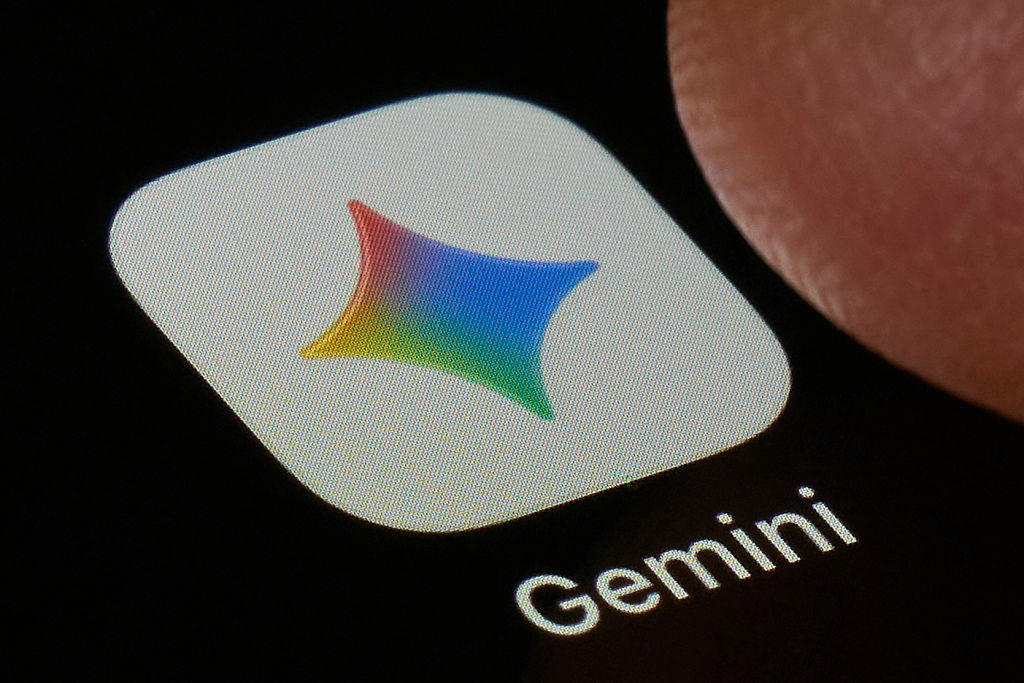
Brad Lightcap, who joined OpenAI in 2018 and served as chief financial officer for four years before becoming…
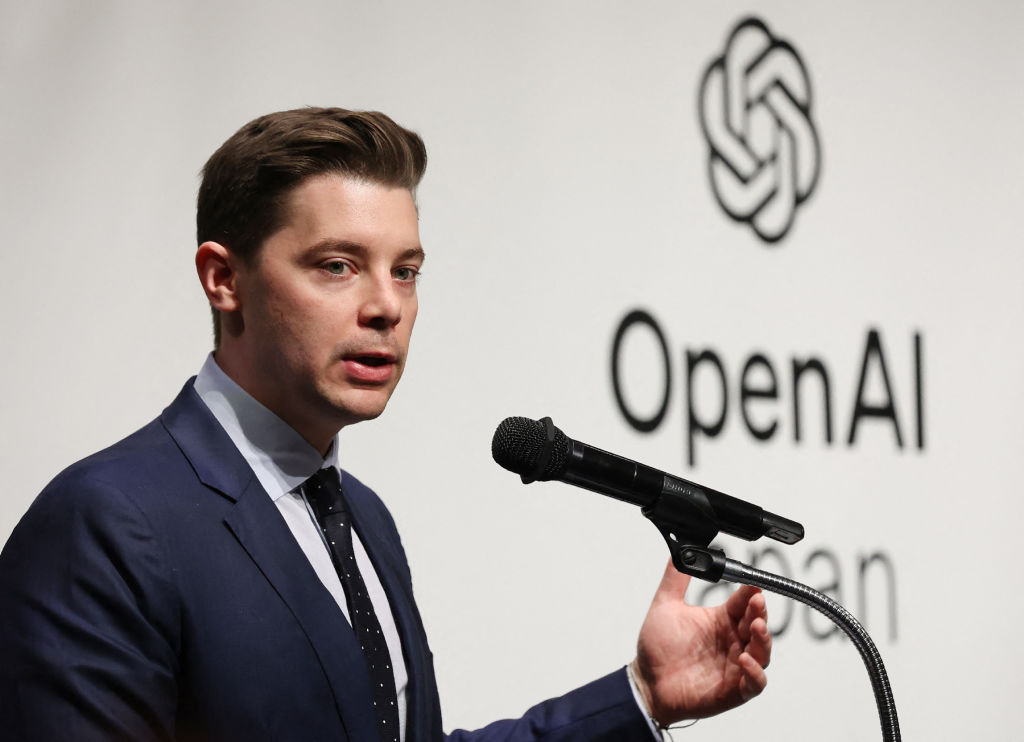
River AI, founded by xAI co-founder Igor Babuschkin, raised $1.1 billion in a seed/Series A round led by Gener…

The AI news that matters, in one minute each morning.
Sign up free