What happened
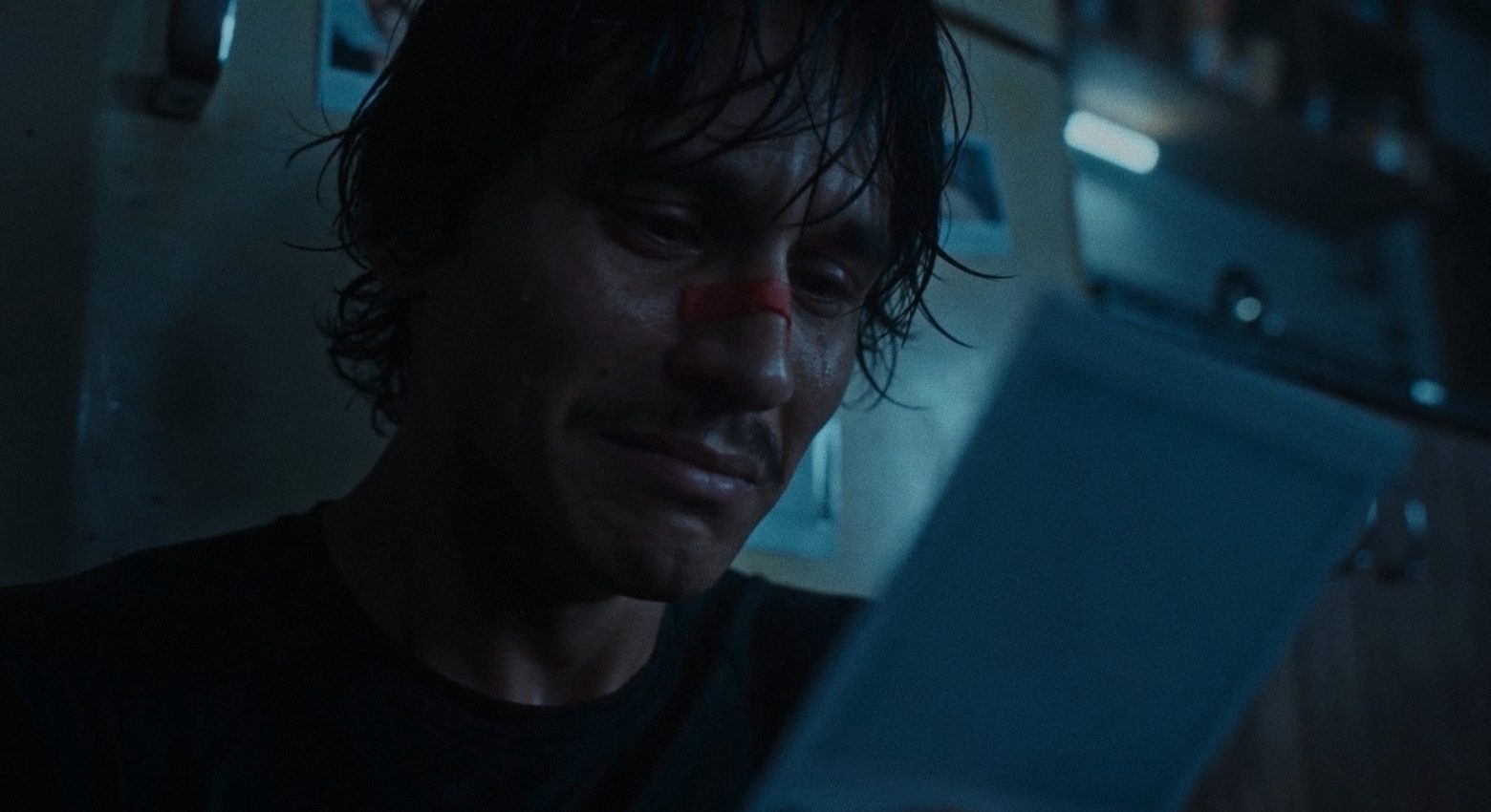
AI video startup Higgsfield AI made Hell Grind, a 95-minute action film with all synthetic actors and visuals entirely AI generated, with a team of 15 in under three weeks for a budget of just $500,000, four out of every five dollars spent on compute.
Why it matters
The startup contends future films will still require directors, screenwriters, set and costume designers, and actors, even as it pitches that AI will result in job losses for production crew and visual-effects workers.
What to watch
Whether audiences embrace this, since some of 2026's biggest box office hits like The Odyssey and Obsession were made using practical effects, and moviegoers showed less willingness to pay for films heavily reliant on computer-generated effects.
WHO IT HITSProduction crew and visual-effects workers face likely job losses as AI video tools make full films possible at a fraction of traditional cost, while small studios and short-form creators gain new opportunities.
Summaries like this, in your inbox every morning.
The film's debut at Cannes this spring caught public attention not for an A-list star or Oscar-winning director, but because it was created with artificial intelligence. The startup's co-founder and chief strategy officer, Mahi De Silva, argues that filmmaking remains an art that will still need directors, screenwriters, set and costume designers, and actors, even as his company demonstrates what AI can now produce on its own.
The broader industry is already negotiating the terms of that shift. A new four-year contract between major studios and SAG-AFTRA, which represents 160,000 actors, broadcast journalists, news writers and editors, and other artists, put strict guardrails around how AI could be used and when content and payment would be required. Meanwhile, Higgsfield AI's Cinema Studio platform gives creatives access to 33 AI models, including OpenAI's ImageGPT, Google's Nano Banana, and TikTok parent company ByteDance's Seedream, and the company has experimented with legally licensing the likenesses of real humans for AI-created characters.
Whether this approach wins with audiences remains unsettled. McKinsey projects AI could influence up to 20% of original content spending on films and TV by 2030, but some of 2026's biggest box office hits were made using practical effects, suggesting moviegoers may be less keen to pay for films heavily reliant on computer-generated effects. The outcome likely hinges on whether AI-made films can match the draw of practical effects for paying audiences, and on how the guardrails negotiated by labor unions shape what studios can actually deploy.
Pick your industry and the AI tools you use, and get news related to your work every day.
Free · 30 seconds with Google · unsubscribe anytimeWhat is AIToday? →
Ask AI anything about this article. The AI reads this article, earlier AIToday articles, and Wikipedia, and cites its sources. Q&As are published on this page for other readers too.
Synopsys announced on September 30 a strategic agreement with Amazon, a multi-year deal valued at more than US…

Amazon signed a 20-year power purchase agreement with Constellation Energy Corp
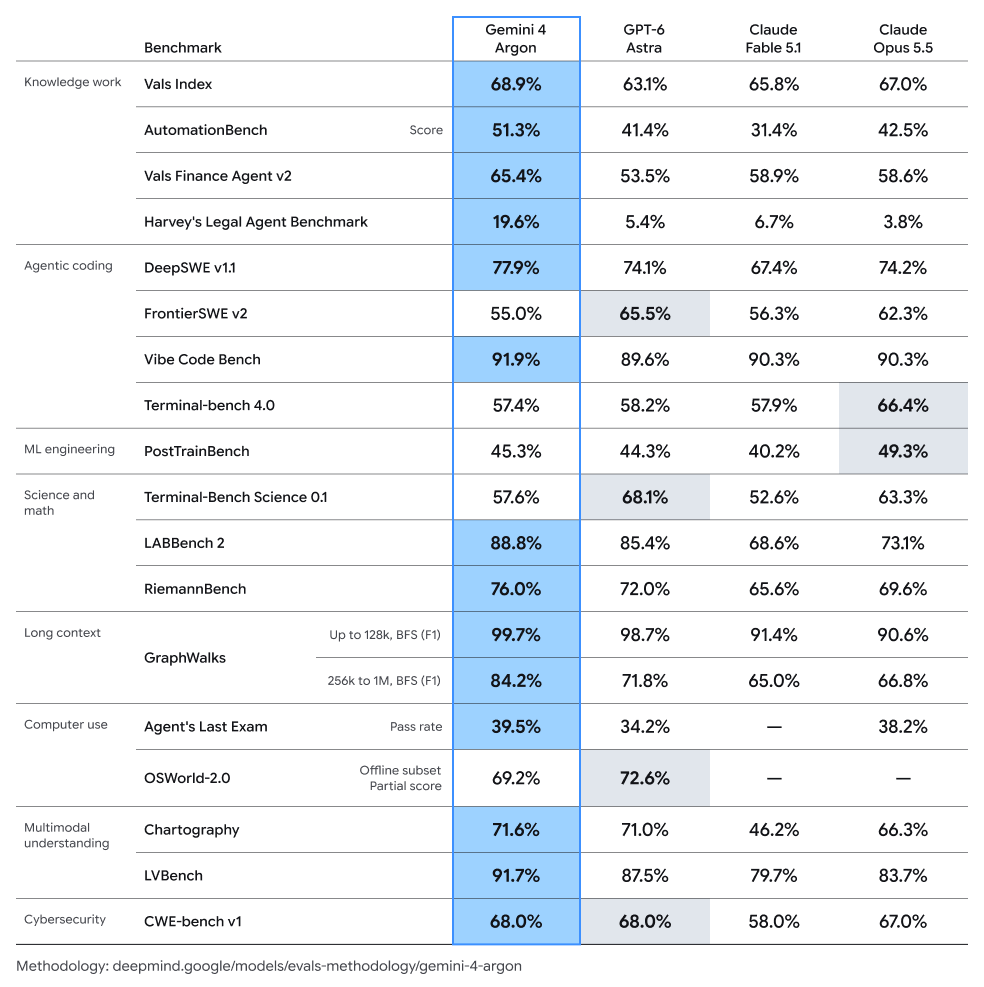
Google DeepMind launched Gemini 4 Argon for coding, enterprise knowledge work and cyber defense, claiming firs…
Bloomberg reports Amazon's delivery smart glasses shoot still images at intervals during walks, possibly thous…

The Information reports Google's "AI Contribution Pilot Program" pays about 100 digital publishers, including…
Metaview Labs Inc. closed $60 million in Series C funding led by Insight Partners, bringing total funding to $…