
What happened
Snowflake's Observe platform announced general availability of a redesigned MCP (model context protocol) server and a new CLI tool that give AI agents direct programmatic access to observability data. The new architecture removes an embedded LLM intermediary, connecting agents directly to Observe's APIs instead; full parity means every MCP operation is also available as a CLI command.
Why it matters
As AI agents increasingly analyze production telemetry—from debugging errors to correlating service failures—observability platforms must serve both human operators and machines. The direct API access reduces latency and cost compared to the old LLM-mediated design, and enables engineers to build custom alert-triage agents and copilots that automate incident investigation workflows without waiting for human intervention.
What to watch
Both tools ship with prebuilt skills for common tasks (incident investigation, failure tracing, n+1 detection, outlier detection) and work immediately after configuration. Access the MCP server through your Observe tenant's "Manage account" → "MCP server details" page; rollout is live across all clusters, with eu-2 and ca-1 following shortly.
Summaries like this, in your inbox every morning.
The announcement reflects a fundamental shift in how observability platforms must operate: as AI agents become routine readers and investigators of telemetry data, access patterns change from interactive UI-driven exploration to programmatic, autonomous queries. Snowflake recognized this by soliciting feedback from engineering teams already building custom agents on top of Observe, learning that teams had resorted to workarounds due to lack of supported programmatic access.
The architectural rethink also reveals a broader industry trend: as foundation models mature, embedding a separate LLM layer within a tool becomes wasteful. Removing Observe's LLM intermediary and letting agents call APIs directly is not just faster—it passes cost savings to customers who no longer pay for redundant inference. The new design gives agents the same data-access capabilities available to humans through the UI (APM service maps, alert listings, OpenTelemetry setup), but without latency or expense overhead. Engineers can now compose and automate observability workflows with prebuilt skills, enabling alert triage, debugging, and incident response to happen with minimal human intervention.
Pick your industry and the AI tools you use, and get news related to your work every day.
Free · 30 seconds with Google · unsubscribe anytimeWhat is AIToday? →
Ask AI anything about this article. The AI reads this article, earlier AIToday articles, and Wikipedia, and cites its sources. Q&As are published on this page for other readers too.
ElevenLabs completed a $300 million employee tender at a $22 billion valuation, and co-founder Mati Staniszews…

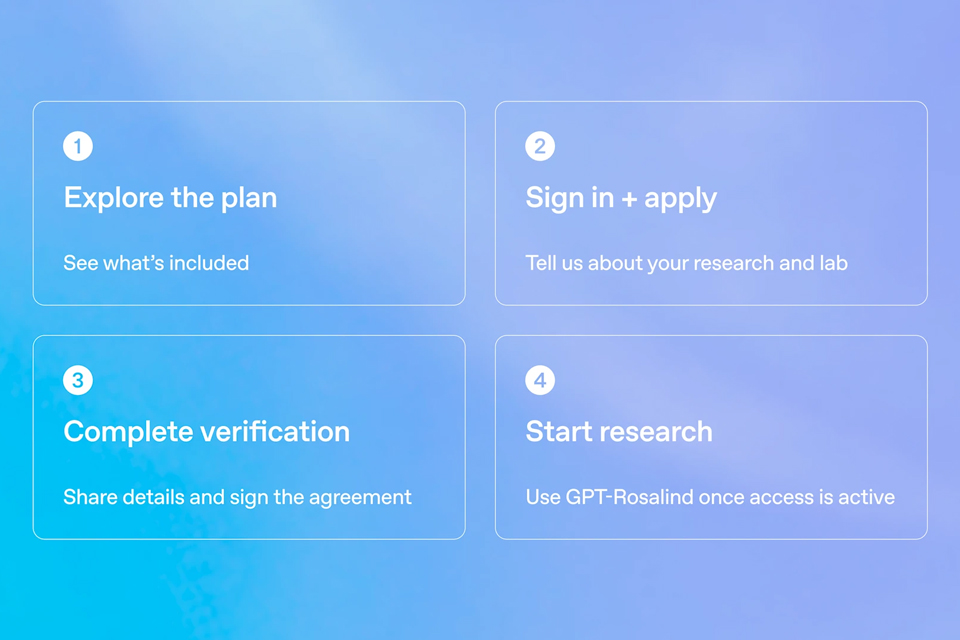
On October 15, OpenAI announced the Rosalind Academic Plan, giving approved US university labs free access to…
A Qiita article compared automated red-teaming methods for LLM apps — GCG, PAIR, and TAP — using mock implemen…

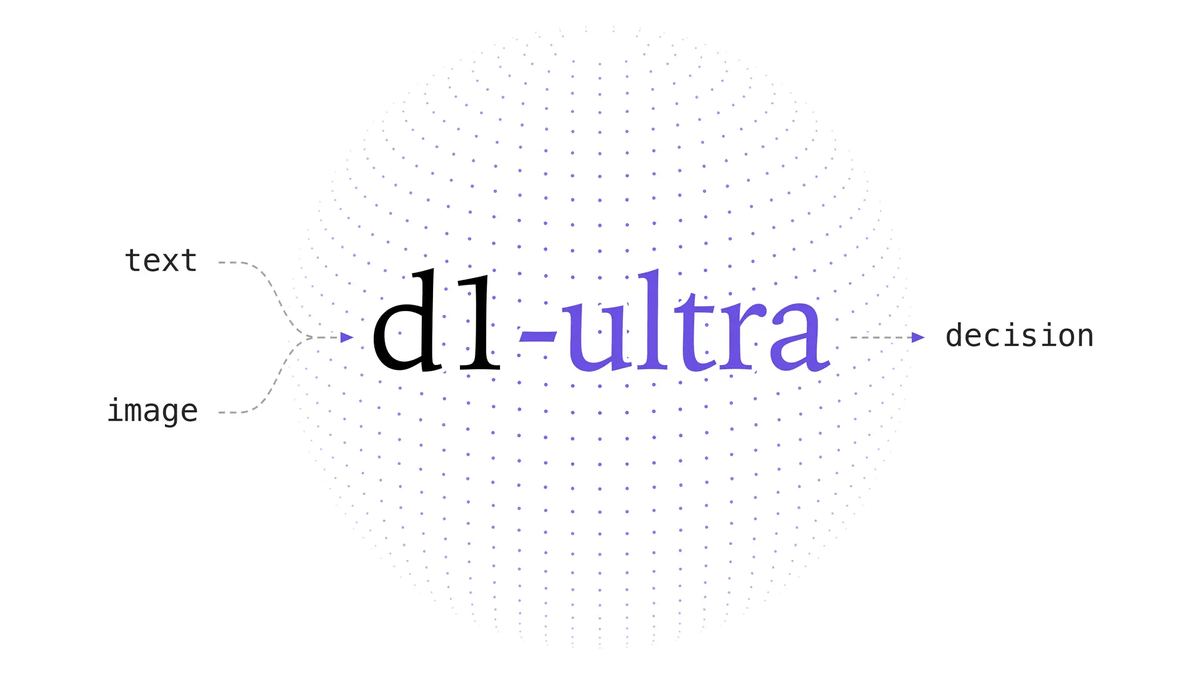
Liquid AI released d1-ultra on October 15, 2026, an upgraded open-weights decision model that averaged 76.7 ac…
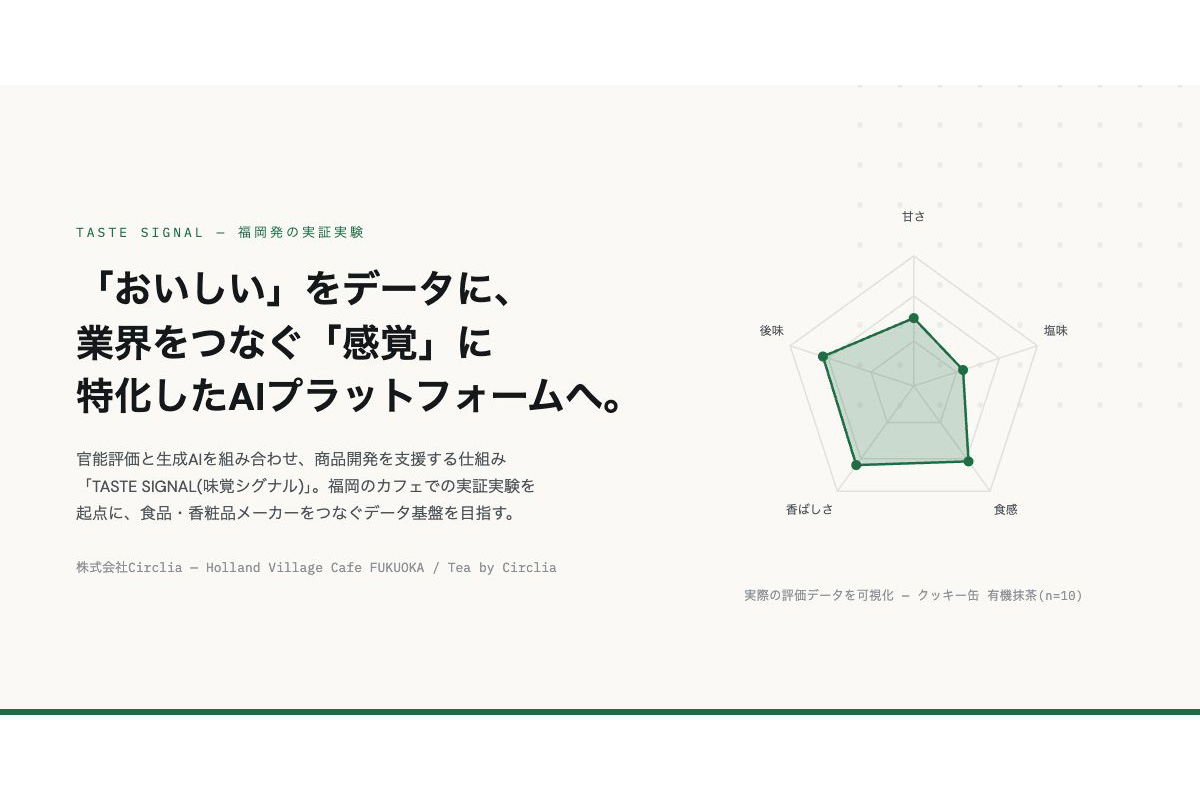
Circlia started a proof-of-concept for TASTE SIGNAL: visitors to Holland Village Cafe FUKUOKA taste cookies an…
In a webinar hosted by French Mathematical Society president Isabelle Gallagher, Fields Medal winner Hugo Dumi…

