Summaries like this, in your inbox every morning.
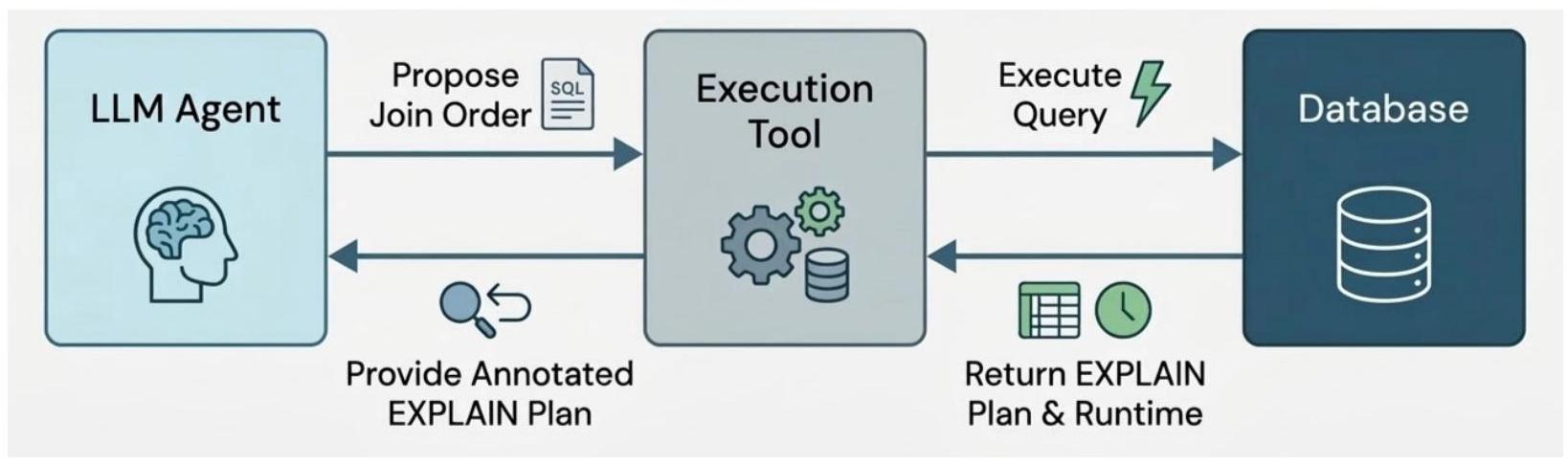
Sign up free →Computer scientists at UC Berkeley published research on how large language models (AI systems trained on text) can decide the optimal order to join database tables — a core task in SQL (the language used to retrieve data from databases). The work appeared on a Databricks research blog, showing that AI agents (autonomous AI systems that break down tasks into steps) can reason through database optimization problems that traditionally require human database experts.
Unlike traditional database optimizers that rely on fixed rules, these AI agents can explore multiple possible join orders and evaluate tradeoffs between speed and resource use. This matters because the order matters: joining table A to B to C can be 100x faster or slower than joining A to C to B, depending on table sizes and how the data is structured.
Data engineers and analysts who write queries on large datasets could eventually spend less time manually tuning slow queries — the AI agent could propose better join orders automatically. Database teams at companies managing billions of rows could see query response times drop from minutes to seconds without hiring additional optimization experts.
No comments yet. Be the first to share your thoughts!
Log in to join the discussion
Get curated AI news from 200+ sources delivered daily to your inbox. Free to use.
Get Started FreeFree · takes 30 seconds · unsubscribe anytime
1 minute a day. The AI essentials.
200+ sources · Email / LINE / Slack
