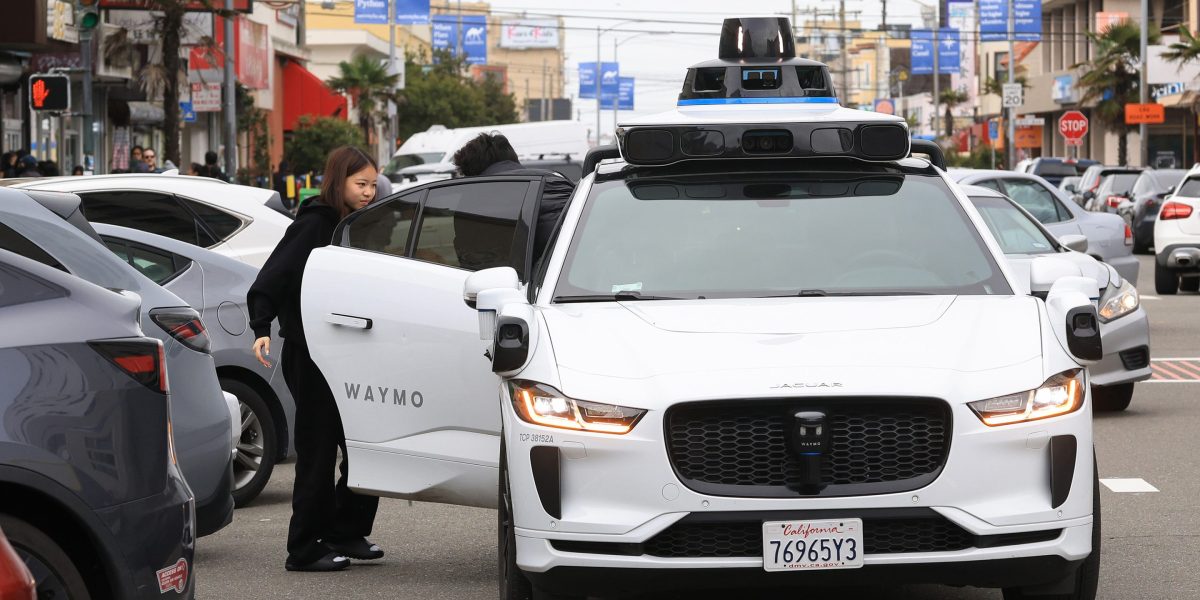
What happened
Four Minneapolis city councilors proposed an ordinance requiring licensed drivers paid at least minimum wage to sit inside self-driving cars as safety monitors; a public hearing is set for Sept. 22.
Why it matters
The proposal would keep humans behind the wheel of autonomous vehicles, reflecting worker and safety concerns that no other U.S. city has moved to address with a similar measure, despite 65-plus bills across 25 states.
What to watch
Whether the ordinance advances hinges on the City Council hearing and Mayor Jacob Frey, who has not endorsed it and says he would follow the state's lead; if passed, it would take effect next October.
WHO IT HITSRideshare drivers in Minneapolis and Waymo's local test operations stand to be directly affected, while city transportation officials elsewhere may watch the Sept. 22 hearing as a template for their own rules.
Summaries like this, in your inbox every morning.
The Minneapolis measure is the latest flashpoint in a national conversation about autonomous vehicles that has shifted from road safety to the gig economy. Unions representing rideshare drivers argue the growing market share of self-driving cars is displacing workers through lower trip demand, and early projections back that concern: a study of 200,000 daily observations of taxi drivers in Wuhan, China, found robotaxis slashed average daily income by nearly 11%, while a George Washington University-led study using cost models found a shift from taxis to robotaxis would decrease frontline jobs by 57% to 76%.
Waymo disputes that framing. Co-CEO Tekedra Mawakana has argued self-driving cars expand manufacturing and has pointed to fleet operators, technicians, and charging infrastructure roles, with the company offering scholarships to community college students in technical programs. A study from the Insurance Institute for Highway Safety published in July found Waymo's vehicles have a lower crash involvement rate than human-operated cars. Yet the February withdrawal of New York Gov. Kathy Hochul's proposal to expand automated vehicles beyond New York City shows union pressure can stall expansion.
What happens in Minneapolis may hinge on whether the City Council treats the ordinance as a safety measure or a jobs measure, and on Mayor Jacob Frey's decision not to lead on it. For Waymo, which has about 4,000 driverless vehicles across 15 test cities, up from 700 in early 2025, a patchwork of local rules could complicate the expansion that Goldman Sachs projects will reach about 8% of the U.S. rideshare market by 2030, generating $7 billion in revenue. The Sept. 22 hearing is likely to test whether other cities follow Minneapolis's approach or leave the question to states.
For example, today's edition would include:
AI-summarized, only the topics you pick — one digest a day via Email, Slack, or Discord.
Free · 30 seconds with Google · unsubscribe anytimeWhat is AIToday? →
Ask AI anything about this article. Q&As are published on this page for other readers too.
Nvidia CEO Jensen Huang told Salesforce's Dreamforce conference that AI is just hardware and software built by…

On March 5, a bipartisan group of senators urged the Census Bureau and the Bureau of Labor Statistics to impro…

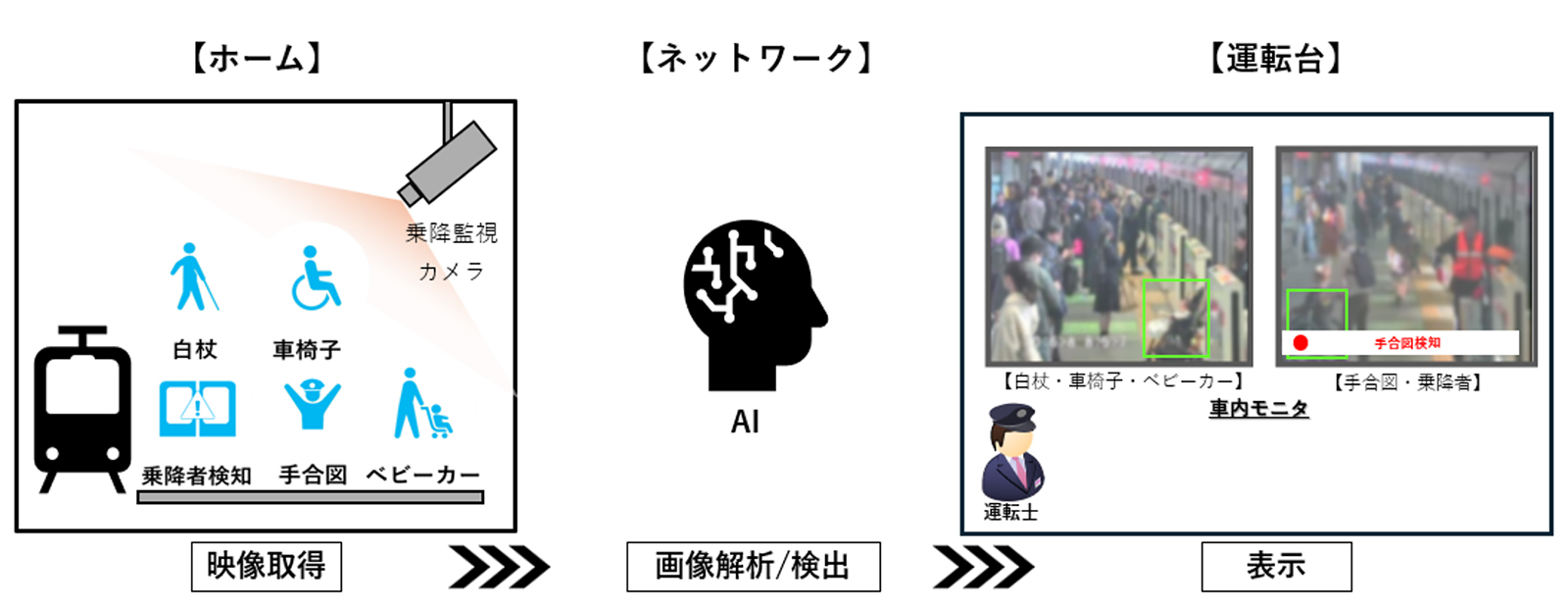
Tokyu Railways and Panasonic Connect will sequentially introduce the Crew Support Platform Monitoring AI Syste…
In her State of the Union 2026 address, Ursula von der Leyen said AI agents "escaping their environment" are j…

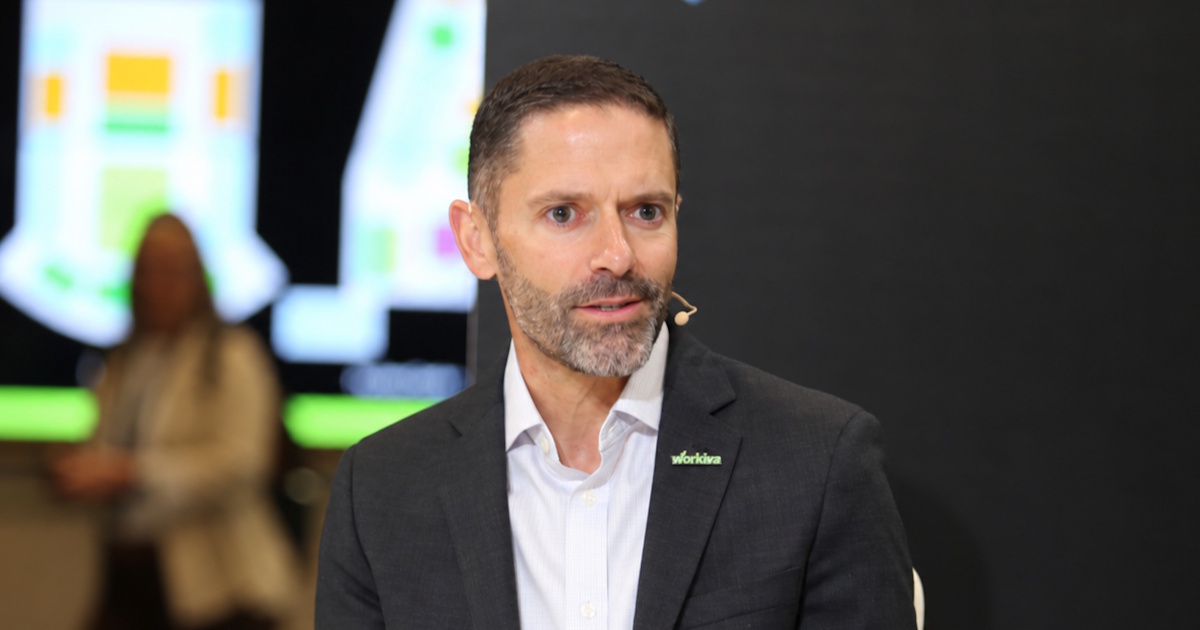
Workiva vice president Steve Soter told theCUBE at Workiva's Amplify event that its research found 84% of exec…
Google DeepMind founded the DeepMind Institute (DMI), bringing together researchers from Google DeepMind, Goog…