What happened
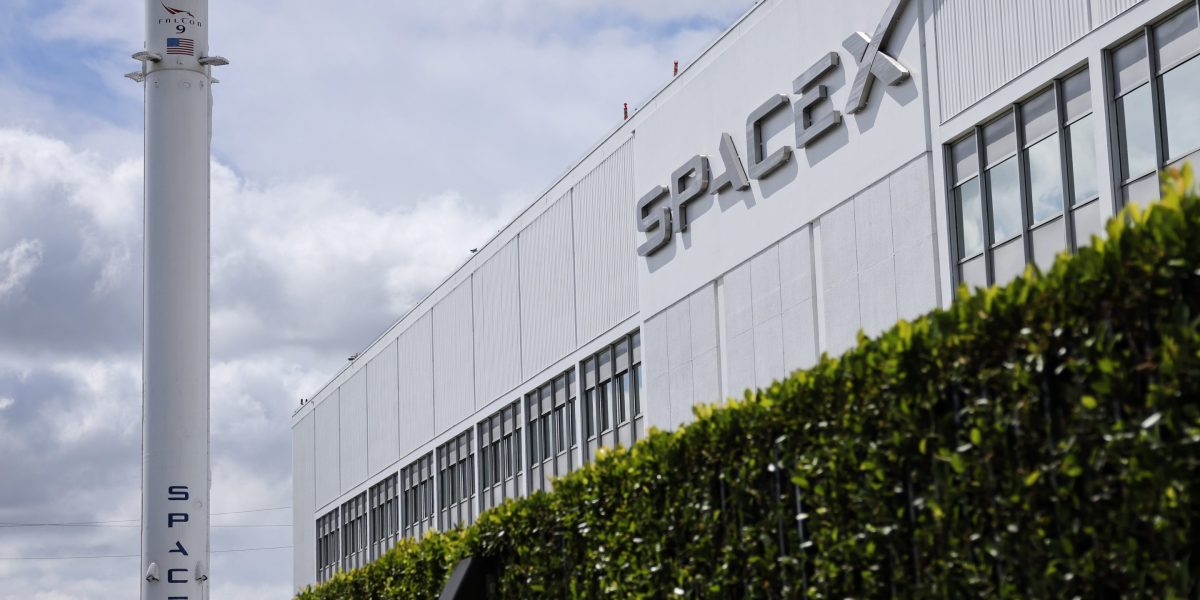
SpaceX filed to raise $75 billion(約12兆円) through an IPO—targeting 555.6 million shares at $135 each—which would be the largest IPO in history. The company is valued at roughly $1.75 trillion(約280兆円). Tom Mueller, SpaceX's first employee and founder of orbital-transfer company Impulse Space, called the filing "finally," after Musk had long resisted going public.
Why it matters
The valuation reflects a bet that compute and data centers will move to space, and that Musk controls the full stack to make it happen: cheap rockets (Falcon 9), in-orbit computing proof from Starlink (which generated $11.39 billion(約1.8兆円) in 2025 revenue), and AI training data via xAI's Grok, Tesla robotics, and X. SpaceX posted $18.67 billion(約3兆円) in 2025 revenue but a $4.9 billion(約7800億円) net loss, with capital spending nearly doubled to $20.7 billion(約3.3兆円)—chiefly on AI. Mueller notes every past SpaceX milestone faced skepticism before succeeding.
What to watch
Mueller predicts the stock will follow Tesla's arc—a high opening, a "valley of death" when schedule delays become public-market news, then recovery. Meanwhile, Impulse Space is targeting a 2027 launch of its Helios spacecraft. The IPO also marks a reckoning in venture secondaries, as pre-IPO SpaceX shareholders via SPVs will need to clarify what they own.
Summaries like this, in your inbox every morning.
Pick your industry and the AI tools you use, and get news related to your work every day.
Free · 30 seconds with Google · unsubscribe anytimeWhat is AIToday? →
Ask AI anything about this article. The AI reads this article, earlier AIToday articles, and Wikipedia, and cites its sources. Q&As are published on this page for other readers too.
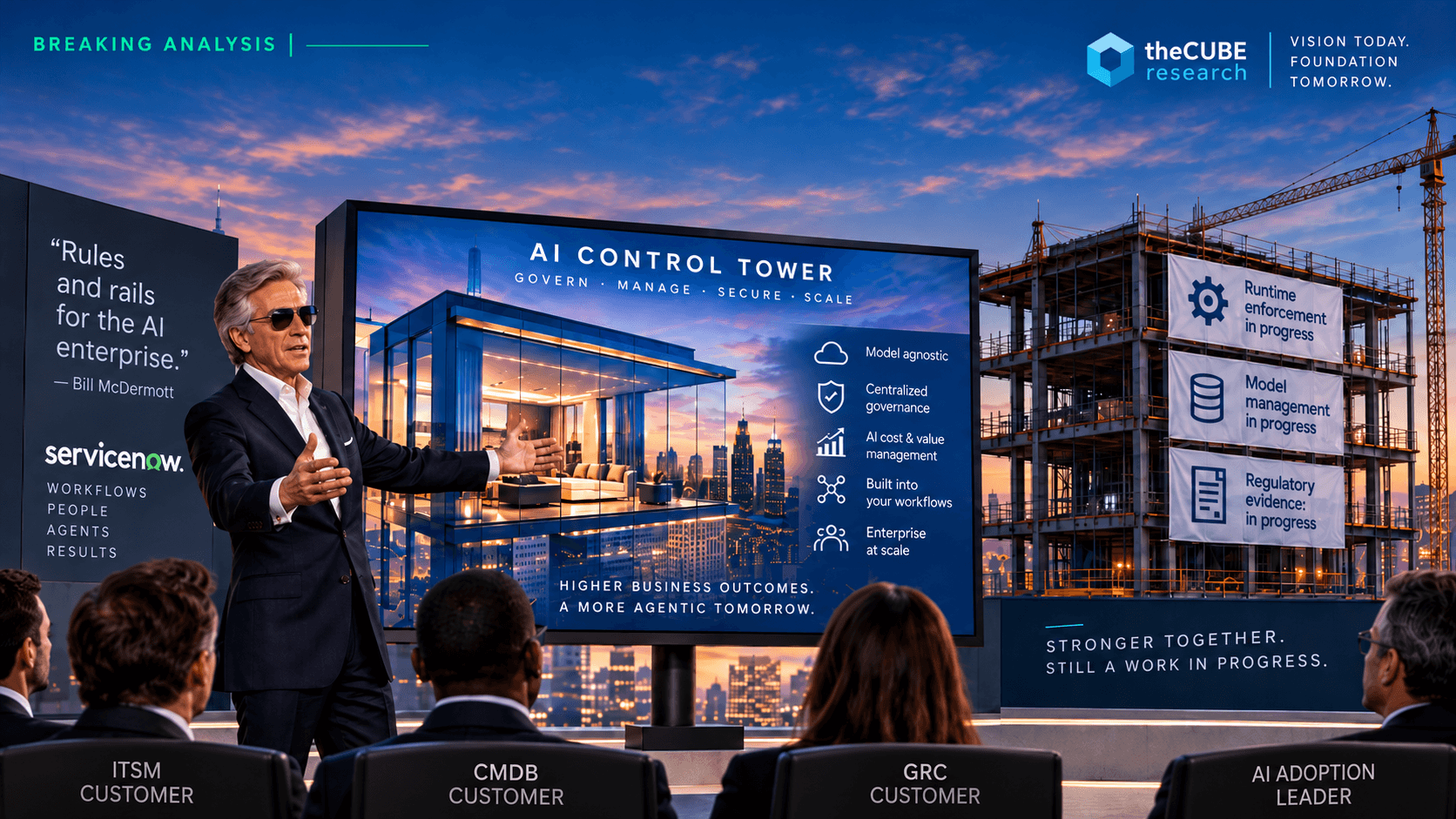
In 15 in-depth interviews with existing ServiceNow customers, 14 said AI Control Tower's runtime enforcement w…
Anthropic CEO Dario Amodei said he spends a third, maybe 40%, of his time making sure the company's culture is…

Users of Meta's Muse, xAI's Grok, OpenAI's Dots and Instinct report blocks on top sites

Meta removed language from its commercial terms that experts said allowed scraping news sites to train its AI…
Bank of America strategist Sebastian Raedler said 12-month forward hyperscaler capex expectations rose from $3…
Alphabet CIO Ruth Porat told Fortune it is "illogical" to call the AI buildout a capacity-constrained bubble…