AIToday

AI demand lifts DDR5 prices, giving SK Hynix leverage for HBM4 pricing

DIGITIMES Asia1h agoSend on LINE
AI demand lifts DDR5 prices, giving SK Hynix leverage for HBM4 pricing

Key takeaway

AI spending is broadening a memory price recovery beyond just high-bandwidth memory chips, lifting prices for conventional DRAM, NAND flash, and enterprise SSDs at SK Hynix and Samsung Electronics. This wider uplift in the memory market strengthens both firms' earnings and may give SK Hynix additional leverage to raise HBM4 prices for AI customers.

Summaries like this, in your inbox every morning.

Sign up free →

3 Key Points

  • What happened

    AI spending is lifting prices for conventional DRAM and other memory products beyond just high-bandwidth memory (HBM), strengthening SK Hynix's and Samsung Electronics' earnings as the broader memory market hardens.

  • Why it matters

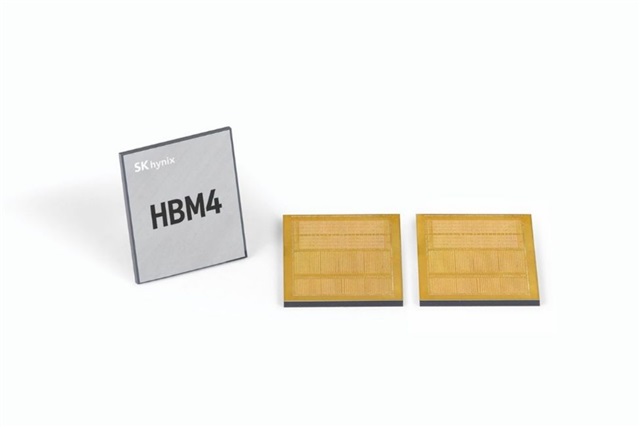
    The price lift on standard DRAM and enterprise storage—not just premium HBM—widens the profit pool for memory makers. SK Hynix's improved leverage in the broader memory market may translate into better pricing power for its premium HBM4 chips, which serve AI infrastructure customers.

  • What to watch

    How aggressively SK Hynix and Samsung can push HBM4 prices as the conventional memory price surge continues to reshape their earnings mix.

In Depth

AI spending is fueling a broad memory price recovery that extends well beyond the premium high-bandwidth memory segment. According to the reporting, the upcycle is lifting prices for conventional DRAM, NAND flash memory, and enterprise solid-state drives. This widening of demand and pricing power is reshaping the financial outlook for major memory suppliers SK Hynix and Samsung Electronics, each of which derives revenue from both commodity and premium memory products. The conventional memory strength acts as a lever: as SK Hynix and Samsung improve margins on standard DRAM and storage, their overall financial position strengthens, which in turn may allow them to press for higher prices on their premium HBM4 offerings destined for AI infrastructure. The interplay reveals how AI infrastructure demand, while visibly concentrated in high-bandwidth memory, is in fact creating tailwinds across the entire memory industry—allowing suppliers to monetize both the cutting-edge HBM4 segment and the broader commodity memory market simultaneously.

Context & Analysis

The memory market has historically centered on high-bandwidth memory as the premium driver of AI infrastructure demand. However, the article reveals that AI spending is now lifting prices across the entire memory stack—conventional DRAM, NAND flash, and enterprise SSDs—not just HBM. This broadening of the upcycle reshapes the earnings picture for SK Hynix and Samsung Electronics, as both firms benefit from price gains across multiple product lines rather than relying on HBM margins alone. The dynamic creates a paradox for SK Hynix: while conventional DRAM strength improves its overall market position and profitability, it simultaneously gives the company greater negotiating leverage with AI customers on HBM4 pricing. The interplay between these segments suggests the current memory upcycle is more durable and diversified than a HBM-only story would imply.

Get the latest AI Stocks & Markets news every morning

AI-summarized, only the topics you pick — one digest a day via Email, Slack, or Discord.

Free · takes 30 seconds · unsubscribe anytime

Discussion

No comments yet. Be the first to share your thoughts!

Log in to join the discussion

Related Articles

Stay ahead with AI news

Get curated AI news from 200+ sources delivered daily to your inbox. Free to use.

Get Started Free

Free · takes 30 seconds · unsubscribe anytime