What happened
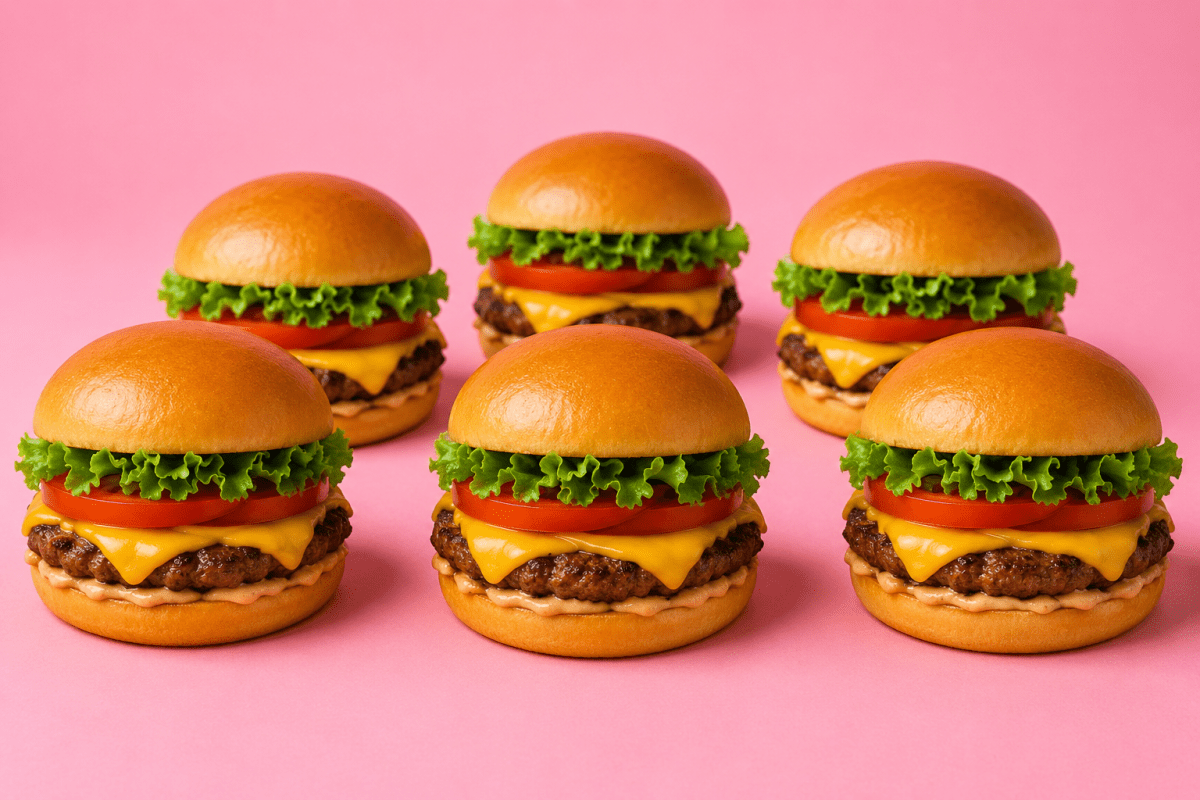
AI-generated menus in restaurants often feature food that looks too perfect, symmetrical, and smooth, triggering unease in customers. This stems from AI models trained on a narrow, 'pleasing' aesthetic.
Why it matters
Researchers at the University of Duisburg-Essen found these images create an 'uncanny valley' effect, where almost-real food looks more disgusting than obviously fake images. The homogenization happens because models optimize for 'pleasingness' and 'not being offensive,' which 'shaves off the edges.'
What to watch
The test is whether restaurants will keep using AI menus after the uncanny valley effect triggers customer backlash, or whether the trust issue spreads beyond food. Watch whether Alex Lisle’s Reality Defender and similar AI-detection startups gain traction as visual evidence credibility erodes.
Summaries like this, every morning.
The phenomenon of AI-generated menus looking 'off' is rooted in how models are trained and the cultural context of AI. Lisle explains that models are trained on a corpus of work, like menus from popular chains, which already share a similar style. When AI generates new menus, it mimics that style, and if those AI outputs end up back in training data, the homogenization is reinforced. This is a form of 'convergence,' distinct from 'model collapse,' but still degrading output quality. The 'uncanny valley' effect documented by German researchers explains the visceral disgust people feel — a reaction that may drive restaurants to abandon AI menus. However, the implications go beyond food: as Lisle points out, with AI-generated images becoming more prevalent, even court evidence like 'taped confessions and videotaped evidence' may no longer be trusted, marking a fundamental shift in how we perceive reality.
Pick your industry and the AI tools you use, and get news related to your work every day.
Free · 30 seconds with Google · unsubscribe anytimeWhat is AIToday? →
Ask AI anything about this article. The AI reads this article, earlier AIToday articles, and Wikipedia, and cites its sources. Q&As are published on this page for other readers too.
Canva launched Canva Craft, an AI image model that plans a design before generating it, producing images up to…
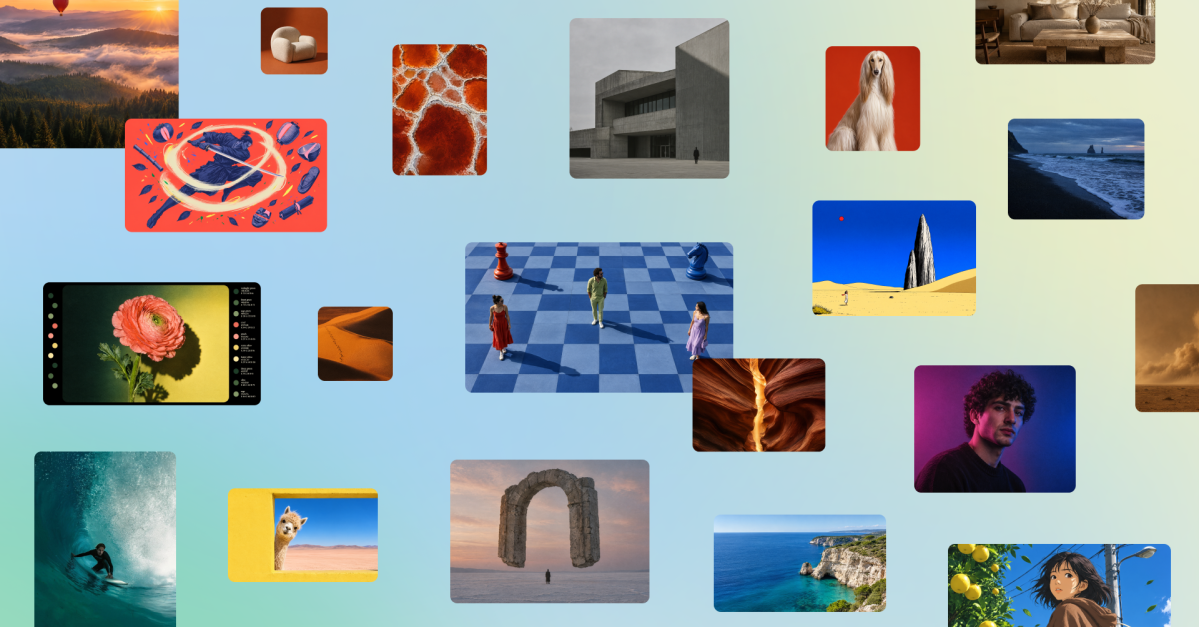
Canva released Canva Craft, its first image generation model, available to all users via the Dream Lab tab and…
Rerunning the same images and prompts that broke Gemini 3.5 Flash Lite, the developer found Gemini 4 Argon enc…
KDDI, Okinawa Cellular and KDDI Digital Life added ChatGPT 5.5, ChatGPT 5.5 Pro and ChatGPT 5.5 Thinking to po…
IronSight AI and Fast Iron announced a partnership integrating IronSight's image recognition into Fast Iron's…

Fontify's post lays out four observable contracts — input, style, layout, output — each paired with a failure…