What happened
Nvidia Corp. announced the Personal AI Router (PAIR) at IFA 2026 in Berlin today. It lets users create a local distributed cluster from idle Macs or PCs to run small language models and speed up agentic AI workloads.
Why it matters
When an AI agent splits a task into subtasks, running them on one computer is slower than giving each subagent its own compute node. PAIR distributes work across idle GPUs on a home network and can reroute tasks if a machine is needed for gaming or work, making long-running jobs more efficient than a single GPU.
What to watch
The real test is whether PAIR’s distributed routing holds up when machines are pulled back for gaming or work, since idle time is the only resource it taps. Watch whether the beta expands beyond macOS, Windows, and Linux to cover more home setups.
Summaries like this, every morning.
Nvidia's announcement comes at a time when local AI agents are becoming more common but often hit performance limits when all subtasks run on a single machine. PAIR addresses this by pooling idle GPU resources across a home network, assigning subtasks to dedicated nodes managed by a main node. This is positioned as a setup for AI enthusiasts rather than enterprise users, and Nvidia openly notes that clusters cannot guarantee the same quality of service as a dedicated system. Still, for tasks without strict deadlines, distributing work can be significantly more efficient than relying on one GPU.
The tool's flexibility is a key design point: if a computer is needed for gaming, work, or its own AI tasks, PAIR reroutes the workload to other nodes or back to the main node. Setup is meant to be simple, with discovery via mDNS or IP addresses and automatic model downloads. Users do not need identical models on every machine, as PAIR assigns work based on what is available. The beta is open now for macOS, Windows, and Linux, with support for a range of Nvidia GPUs and newer Apple silicon.
Pick your industry and the AI tools you use, and get news related to your work every day.
Free · 30 seconds with Google · unsubscribe anytimeWhat is AIToday? →
Ask AI anything about this article. The AI reads this article, earlier AIToday articles, and Wikipedia, and cites its sources. Q&As are published on this page for other readers too.
S&P Global reports Q3 on Oct

Vertiv and NVIDIA presented at GTC on how they can halve AI factory deployment time

CVS Health appointed Jack Hanlon, who previously held senior data and analytics roles at Meta and Reddit, as s…

T-Mobile US completed what Nvidia described as the first AI-RAN call on a live commercial network, unveiled at…

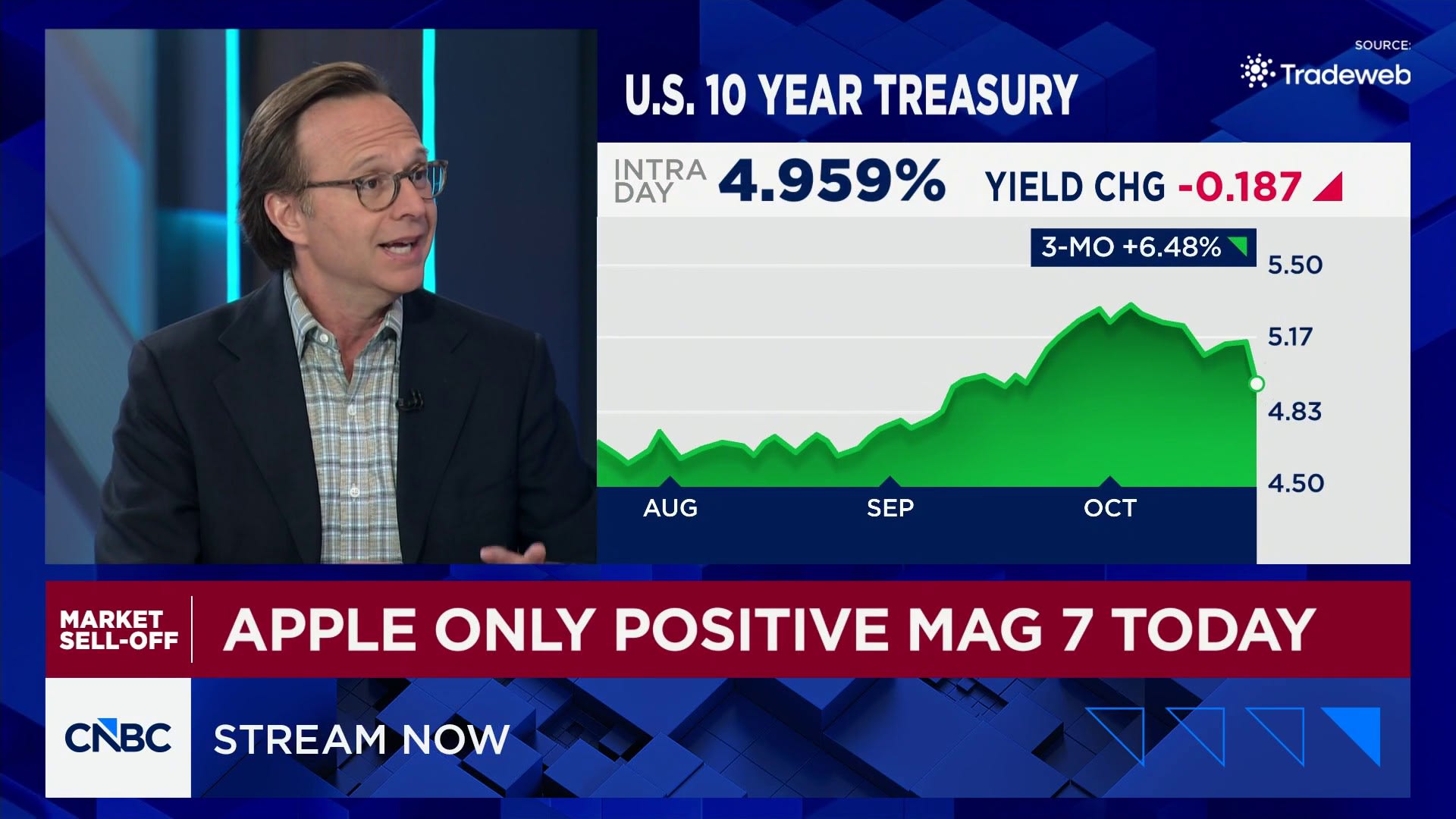
BlackRock Fixed Income Senior Portfolio Manager Jeff Rosenberg said the bond market is reacting rationally to…
Salesforce customers are bracing for new fees to use Anthropic's Claude inside Salesforce apps, per The Inform…